


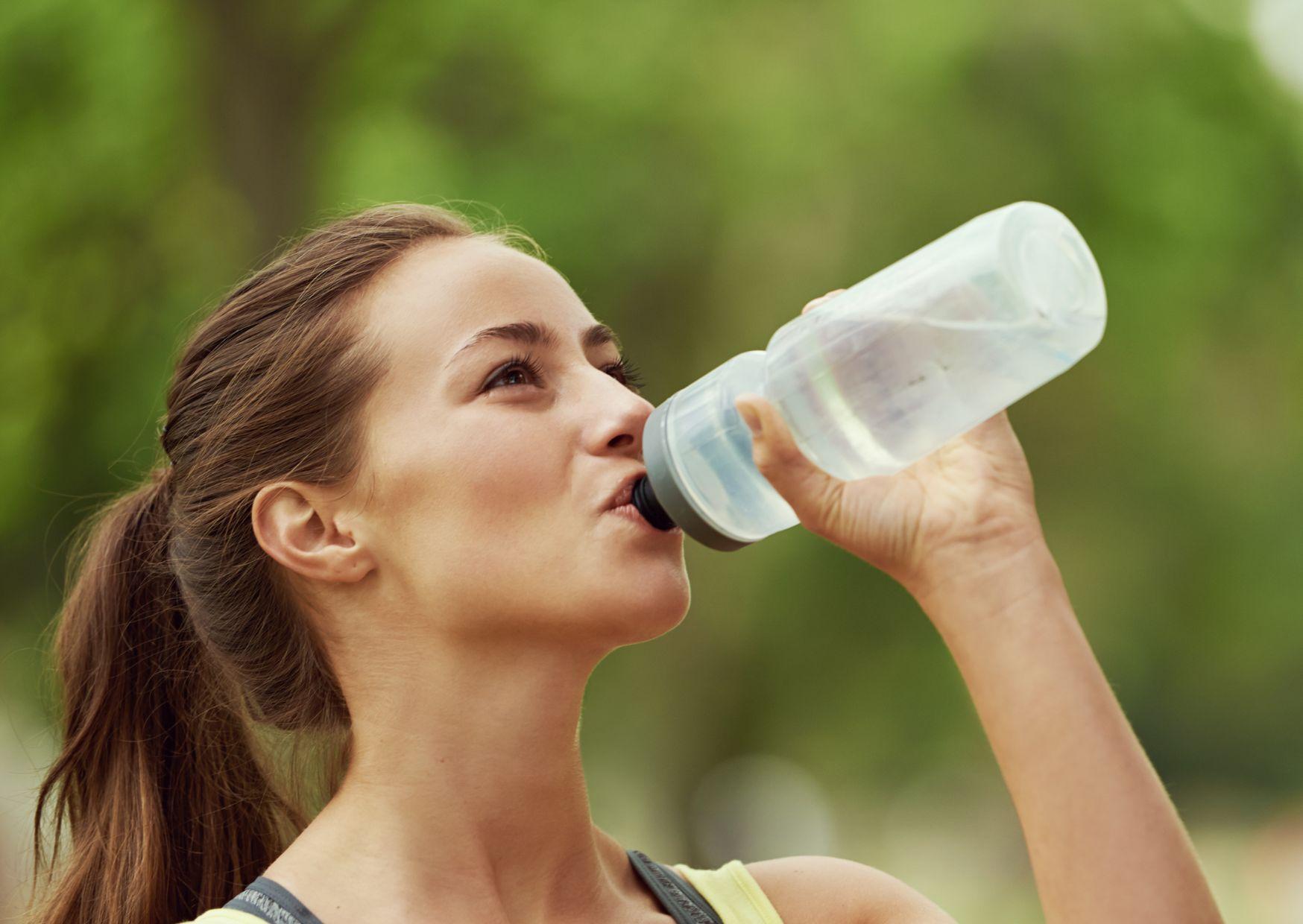
In a world brimming with fast-paced lifestyles and ever-evolving wellness trends, it’s easy to overlook one of the most fundamental elements of health: hydration. Often dismissed as a simple necessity, water is the invisible thread that weaves through the tapestry of our well-being. From boosting cognitive function to enhancing physical performance, the role of hydration extends far beyond quenching thirst. In this article, we delve into the essential link between hydration and wellness, exploring the science behind why staying adequately hydrated is not just a choice, but a vital cornerstone of a healthy, balanced life. Join us as we uncover the profound impact of this clear, life-giving resource and its pivotal role in nurturing our bodies and minds.
Table of Contents
- Exploring the Science Behind Hydration and Health
- Daily Hydration Needs: Finding Your Personal Balance
- Hydration Strategies for Optimal Wellness in Everyday Life
- The Impact of Hydration on Mental Clarity and Physical Performance
- Key Takeaways
Exploring the Science Behind Hydration and Health
Water is the cornerstone of life, influencing every physiological process in our bodies. At its core, hydration affects vital functions, including temperature regulation, nutrient transportation, and waste elimination. When we are adequately hydrated, our organs perform optimally, facilitating a smooth metabolic rate and enhancing physical performance. Conversely, even mild dehydration can lead to a gradual decline in cognitive functions, mood disturbances, and physical fatigue. It’s astonishing how something as simple as drinking water can significantly elevate our well-being.
Scientific studies continually reinforce the connection between moisture levels and specific health outcomes. For instance, in a recent analysis of hydration habits, it was found that maintaining proper hydration can lead to measurable improvements in skin health, digestion, and overall energy levels. Some key benefits of maintaining optimal hydration include:
- Increased cognitive function: Enhanced focus and memory retention.
- Improved physical performance: Greater endurance and reduced fatigue during workouts.
- Skin health: More youthful appearance and reduced dryness.
| Hydration Level | Possible Effects |
|---|---|
| Well-Hydrated | Optimal performance, good mood, clear skin |
| Mild Dehydration | Fatigue, decreased focus, dry skin |
| Severe Dehydration | Dizziness, confusion, severe fatigue |
Daily Hydration Needs: Finding Your Personal Balance
Understanding your daily hydration needs is crucial for promoting overall wellness. The amount of water each person requires can vary based on several factors, including age, activity level, and climate. To find your personal balance, consider the following aspects:
- Activity Level: Individuals who engage in vigorous exercise or physical labor will need more fluids.
- Climate: Hot or humid weather increases perspiration, thus increasing water needs.
- Health Conditions: Certain health issues, such as fever, diarrhea, or diabetes, may demand increased hydration.
- Diet: Foods with high water content, like fruits and vegetables, contribute to your daily intake.
To simplify your hydration strategy, consider keeping a log to track your daily water intake against the recommended levels. One useful approach is to establish a table that outlines your intake goals versus what you’ve consumed:
| Time of Day | Goal (oz) | Actual (oz) |
|---|---|---|
| Morning | 16 | |
| Afternoon | 32 | |
| Evening | 16 |
By assessing these factors and logging your intake, you can discover a hydration routine that not only meets your needs but enhances your overall health and vitality.
Hydration Strategies for Optimal Wellness in Everyday Life
Proper hydration is a cornerstone of overall wellness, influencing everything from cognitive function to physical performance. To ensure you stay adequately hydrated throughout your day, consider incorporating these effective strategies into your routine:
- Infuse Your Water: Add slices of citrus fruits, berries, or herbs like mint to your water for a refreshing twist that encourages you to drink more.
- Set Reminders: Use your phone or a hydration app to set reminders every hour to take a sip, preventing the common oversight of forgetting to hydrate.
- Keep Water Accessible: Carry a reusable water bottle with you. The easier it is to access, the more likely you are to drink consistently.
- Hydration-Friendly Foods: Integrate fruits and vegetables with high water content, such as cucumbers, watermelon, and spinach, into your meals.
Understanding your hydration needs can also significantly influence your health. Factors like age, activity level, and climate can change how much water your body requires. A simple table can help you gauge your daily hydration goals based on various activities:
| Activity Level | Recommended Daily Water Intake (liters) |
|---|---|
| Sedentary (little to no exercise) | 2-2.5 |
| Moderately Active (light exercise) | 2.5-3 |
| Active (regular workouts) | 3-4 |
The Impact of Hydration on Mental Clarity and Physical Performance
Hydration plays a crucial role in optimizing both mental and physical performance. When the body is adequately hydrated, cognitive functions such as focus, memory, and problem-solving skills improve significantly. Studies have shown that even mild dehydration can lead to feelings of fatigue, confusion, and reduced alertness. Key indicators of mental clarity influenced by hydration include:
- Improved Concentration: Staying hydrated helps maintain optimal brain function, crucial for tasks requiring attention.
- Enhanced Mood: A well-hydrated body contributes to better emotional stability and stress management.
- Better Memory: Adequate fluid intake supports memory retention, making it easier to recall information when needed.
Furthermore, hydration is equally essential for physical performance. Athletes and fitness enthusiasts often emphasize the importance of adequate water intake to sustain energy levels and prevent fatigue during workouts. Dehydration can lead to muscle cramps, increased perceived exertion, and a decreased ability to regulate body temperature. Athletes can experience significant benefits from proper hydration, such as:
- Increased Endurance: Hydration helps maintain peak physical performance over longer durations.
- Quicker Recovery: Proper fluid balance reduces recovery time after intense physical activity.
- Optimal Muscle Function: Ensures that muscles can contract effectively, preventing injuries.
Here’s a simple table showing hydration recommendations for various activity levels:
| Activity Level | Daily Water Intake |
|---|---|
| Sedentary (Minimal Activity) | 2 liters (8 cups) |
| Moderate Activity (Light Exercise) | 2.5 liters (10 cups) |
| High Activity (Intense Exercise) | 3 liters (12 cups) |
Key Takeaways
In closing, the journey through the intricate relationship between hydration and wellness reveals that the simple act of drinking water transcends mere thirst-quenching. It is a cornerstone of our health, a silent partner in our daily activities, and an unsung hero in the pursuit of balance and vitality. By making hydration a priority, we pave the way for enhanced physical performance, improved cognitive function, and overall well-being. As we embrace the essential link between water and wellness, let us cultivate mindful habits that honor our bodies’ innate needs. After all, in the vast landscape of health, hydration is not just a necessity—it is a powerful ally in our quest for a thriving life. So, take a moment, raise your glass, and toast to the transformative power of hydration—an essential step toward a healthier, happier you.