


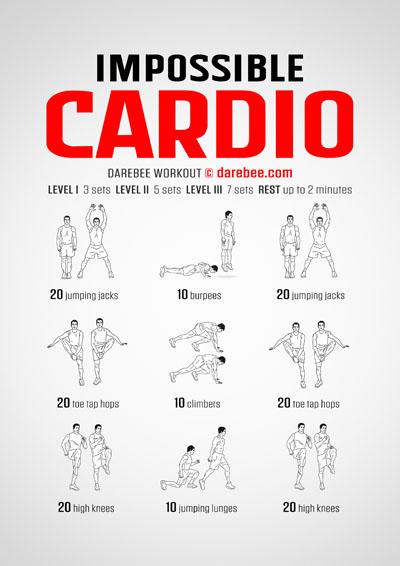
In the bustling rhythm of modern life, finding the time and space for a workout can often feel like a daunting task. Yet, the heart thrives on movement, and cardio workouts are the key to not just a stronger heart, but also a more vibrant life. Whether you’re a fitness fanatic or a casual exerciser, creating an effective cardio regime at home is both accessible and empowering. In this article, we’ll explore a curated selection of top cardio workouts tailored for home gyms, designed to elevate your heart rate and invigorate your routine. From high-energy routines that push your limits to gentle exercises that ease you into motion, discover how you can transform your living space into a dynamic fitness haven, where each beat of your heart celebrates the journey toward better health.
Table of Contents
- Best Practices for Effective Home Cardio Workouts
- Exploring Diverse Cardio Options for Every Fitness Level
- Maximizing Space: Cardio Equipment That Fits Your Home
- Creating a Balanced Routine: Combining Cardio with Strength Training
- Key Takeaways
Best Practices for Effective Home Cardio Workouts
To maximize the effectiveness of your home cardio workouts, it’s essential to incorporate a variety of exercises that not only challenge your cardiovascular system but also keep things interesting. Interval training is a fantastic way to boost your heart rate while burning calories. Consider alternating between high-intensity activities, such as burpees or jumping jacks, and lower-intensity recovery periods. Additionally, integrating bodyweight exercises like squats and mountain climbers into your cardio routine can enhance your overall fitness by building strength and endurance simultaneously.
Another crucial aspect of effective cardio is consistency and progression. Aim to schedule your workouts at least 3 to 5 times a week, gradually increasing the duration and intensity as your fitness level improves. Monitoring your heart rate during workouts can ensure you’re hitting your target zones. Below is a simple heart rate zone guide to help you assess the intensity:
| Heart Rate Zone | Percentage of Max HR | Goals |
|---|---|---|
| Warm-Up | 50-60% | Increases blood flow |
| Fat Burn | 60-70% | Optimal fat burning |
| Aerobic | 70-80% | Improves cardiovascular fitness |
| Anaerobic | 80-90% | Builds endurance and speed |
| Max Effort | 90-100% | Push limits for improvement |
Exploring Diverse Cardio Options for Every Fitness Level
Cardiovascular exercise is essential for maintaining heart health, boosting metabolism, and enhancing mood, and thankfully, there are a plethora of options to suit varying fitness levels. Whether you’re a seasoned athlete or just starting your fitness journey, these workouts can be tailored to your ability. Low-impact options like brisk walking or cycling provide excellent aerobic benefits with less strain on the joints, making them perfect for beginners or those recovering from injuries. For those looking to elevate the intensity, consider high-energy activities such as jump rope, dancing, or circuit training that incorporates bodyweight exercises.
To help you choose the right option for your home gym setup, here’s a quick comparison of various cardio workouts and their suitability for different fitness levels:
| Cardio Workout | Intensity Level | Equipment Needed |
|---|---|---|
| Walking | Low | Sneakers |
| Jump Rope | Medium | Jump rope |
| Bodyweight Circuit | High | Mat (optional) |
| Cycling | Medium | Stationary bike/Outdoor bike |
| Dancing | Variable | None |
Regardless of which workout captures your interest, incorporating a variety of cardio activities can prevent boredom and keep your motivation high. It’s important to listen to your body and gradually increase the intensity and duration as your fitness improves. With these versatile options at your disposal, you can easily design a cardio routine that aligns with your lifestyle, ensuring a more enjoyable and sustainable approach to fitness.
Maximizing Space: Cardio Equipment That Fits Your Home
When it comes to building your home gym, finding the right cardio equipment that doesn’t take up too much space is essential. Consider foldable machines that can be easily stored away after your workout. Options like folding treadmills or compact stationary bikes not only provide intense cardio workouts but also ensure your living space remains clutter-free. Look for machines with a small footprint that offer versatility, like those that have adjustable resistance settings, touchscreen displays, and even built-in workouts to keep your routines engaging.
Another great option is multi-functional equipment that combines different exercises into one machine. For example, rowing machines offer a full-body workout while being relatively slim. Additionally, mini trampolines can provide a fun and dynamic cardio session while taking up little room. To help you make the best choice, here’s a quick comparison of some space-efficient cardio equipment:
| Equipment | Space Requirement | Key Features |
|---|---|---|
| Folding Treadmill | Compact when folded | Incline settings, speed control |
| Stationary Bike | Minimal floor space | Adjustable seat, various resistance levels |
| Rowing Machine | Stows under bed | Full-body engagement, low impact |
| Mini Trampoline | Very little required | High cardio, fun, and energizing |
Creating a Balanced Routine: Combining Cardio with Strength Training
To create an effective fitness routine, it’s important to strike a balance between cardiovascular exercises and strength training. Cardio workouts, such as HIIT sessions or steady-state jogging, elevate your heart rate and enhance your endurance. These workouts improve cardiovascular health while burning calories and fat, making them an essential part of your regimen. Meanwhile, integrating strength training provides a foundation for overall fitness by building muscle, which in turn increases metabolism. Here are some benefits of combining both types of workouts:
- Improved overall fitness: A balanced approach enhances your stamina, strength, and flexibility.
- Injury prevention: Strong muscles and connective tissues support your joints during high-impact cardio sessions.
- Enhanced fat loss: Strength training helps preserve lean muscle mass even while losing weight, making your cardio efforts more effective.
To ensure you get the most from your workouts, consider structuring your week with an alternating focus. For example, you might designate three days for cardio and two days for strength training. This way, you’re keeping your heart rate up on your cardio days while allowing for adequate muscle recovery on strength days. Below is a simple schedule that can help you achieve this balance:
| Day | Workout Type | Suggested Activity |
|---|---|---|
| Monday | Cardio | HIIT routine (30 mins) |
| Tuesday | Strength | Full-body workout (45 mins) |
| Wednesday | Cardio | Steady-state jogging (30 mins) |
| Thursday | Strength | Upper body focus (45 mins) |
| Friday | Cardio | Cycling or dancing (30 mins) |
Key Takeaways
As we conclude our exploration of effective cardio workouts for home gyms, remember that elevating your heart rate isn’t just about breaking a sweat; it’s a journey towards a healthier, more vibrant you. The beauty of these workouts lies in their adaptability—whether you prefer the rhythm of jumping jacks, the intensity of burpees, or the flow of a high-energy dance, there’s a perfect fit for everyone. Embrace the comfort of your own space while pushing your limits, and let each workout remind you of the strength and resilience you possess.
As you integrate these cardio routines into your weekly schedule, don’t forget to listen to your body, stay hydrated, and celebrate your progress—no matter how small. With consistency, determination, and a little creativity, you can transform your home gym into a powerhouse of fitness that not only elevates your heart rate but also enriches your overall well-being. So lace up those sneakers, turn up the music, and let your heart soar! Your fitness journey starts now.