


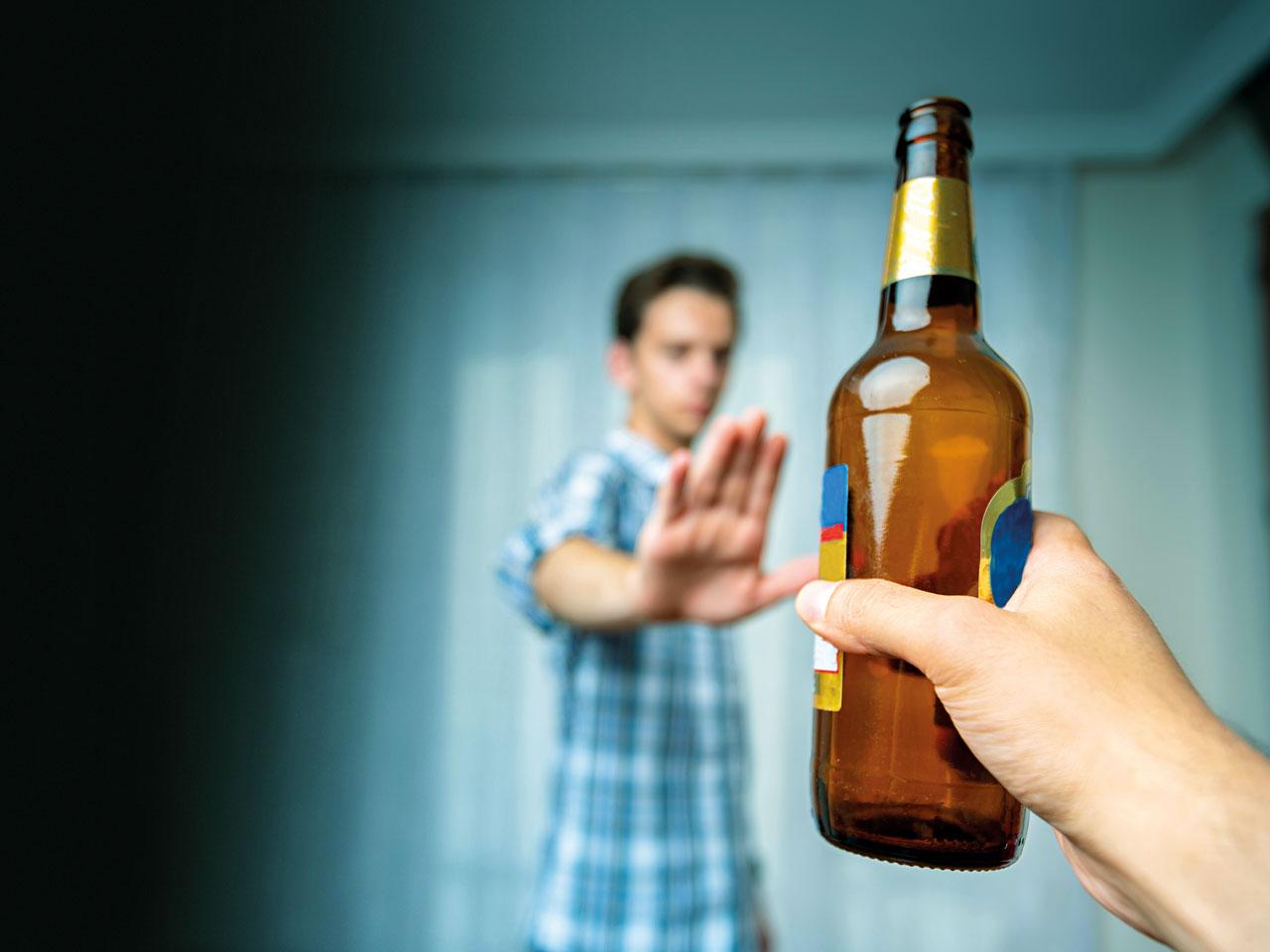
In a world where wellness trends ebb and flow like the tide, one question continues to linger, often raised around cheerful clinks of glasses: Can you truly shed pounds while savoring a cocktail? As celebrations and social gatherings thrive on the allure of a good drink, the relationship between alcohol and weight loss becomes both intriguing and complex. In this exploration, we will navigate the often murky waters of calorie counts, metabolic effects, and lifestyle choices, shedding light on how our favorite libations can influence our weight loss journeys. Strap in as we embark on a thoughtful examination of the choices we make, guiding you to pour decisions that align with your health goals and help demystify the impact of those spirited beverages.
Table of Contents
- Understanding the Calories Behind Your Favorite Drinks
- The Science of Alcohol Metabolism and Weight Gain
- Mindful Drinking: Strategies to Enjoy Without Regret
- Balancing Indulgence and Health: Practical Tips for Weight Loss Success
- In Summary
Understanding the Calories Behind Your Favorite Drinks
Understanding the calorie content of your favorite beverages is crucial when considering your weight loss journey. Many people overlook how the drinks they enjoy can significantly contribute to their overall caloric intake. Alcoholic drinks, in particular, can pack a surprising punch, often containing more calories than a meal. For instance, cocktails typically combine spirits with mixers that can be high in sugar, while wine and beer can also be deceptively dense in calories. Here are some common drinks to keep in mind:
- Standard Beer: ~150 calories per 12 oz.
- Wine (Red/White): ~120 calories per 5 oz.
- Cocktails (e.g., Margarita): ~200-300 calories per serving.
- Light Beer: ~100 calories per 12 oz.
It’s not just the alcohol itself that adds up; many drinks often come laden with additional ingredients that further increase their calorie counts. Understanding these contributions is important. Also consider how mixers like soda, juices, or flavored syrups can vastly alter the total calorie picture. To better visualize this, here’s a quick comparison table showing the average calorie counts of a few popular drinks:
| Drink Type | Average Calories |
|---|---|
| Light Beer | 100 |
| Regular Beer | 150 |
| White Wine | 120 |
| Margarita | 200 |
The Science of Alcohol Metabolism and Weight Gain
Alcohol metabolism is a complex process that begins the moment you take a sip of your favorite drink. Once ingested, alcohol travels through the bloodstream to the liver, where it is metabolized primarily by the enzyme alcohol dehydrogenase (ADH). This metabolization process converts alcohol into acetaldehyde, a toxic substance that is further broken down into acetate. This acetate can either be used for energy or stored as fat, depending on the body’s metabolic state. Since alcohol has a high caloric content—approximately 7 calories per gram—excessive consumption often leads to a caloric surplus, a key factor in weight gain.
Moreover, alcohol has a unique influence on appetite and food choices. Studies have shown that drinking can impair judgment and lower inhibitions, leading to increased food intake and the selection of higher-calorie foods. Coupled with the fact that the body prioritizes metabolizing alcohol over other macronutrients, fat burning is significantly hindered when alcohol is present. This interplay can create a cycle of weight gain that is hard to break. To illustrate the caloric impact of various alcoholic drinks, consider the following table:
| Type of Drink | Calories per Serving |
|---|---|
| Light Beer (12 oz) | 110 |
| Regular Beer (12 oz) | 150 |
| Wine (5 oz) | 120 |
| Hard Liquor (1.5 oz) | 97 |
| Cocktail (average) | 200+ |
Mindful Drinking: Strategies to Enjoy Without Regret
Mindfully enjoying your drinks can make a significant difference in both your enjoyment and your overall wellbeing. Here are some strategies to help you savor your choices without the burden of regret:
- Set a Limit: Before you go out, decide how many drinks you want to have. Stick to your plan to avoid overindulgence.
- Alternate with Water: For every alcoholic beverage, take a glass of water. This will keep you hydrated and slow down your drinking pace.
- Choose Quality Over Quantity: Opt for beverages that you truly enjoy, rather than consuming whatever is available. Savor the flavors and take your time.
- Be Present: Focus on the experience. Engage in conversation and appreciate the ambiance, making the drink a complementary aspect of your outing.
Understanding the impact of your choices can empower you to enjoy social settings without compromising your goals. Consider tracking your alcohol consumption alongside your diet and health goals:
| Drink Type | Calories per Serving |
|---|---|
| Beer (12 oz) | 150 |
| Red Wine (5 oz) | 125 |
| White Wine (5 oz) | 120 |
| Spirits (1.5 oz) | 97 |
Being aware of calorie counts can help you make informed choices while enjoying your social time. By implementing these mindful drinking strategies, you can enjoy your favorite beverages without compromising your health goals or experiencing that familiar sense of regret.
Balancing Indulgence and Health: Practical Tips for Weight Loss Success
When it comes to weight loss, many people underestimate the impact that alcohol can have on their journey. Understanding that a single glass can contain a significant number of calories is crucial. For instance, a standard cocktail can range from 200 to 500 calories, depending on the ingredients, while a pint of beer typically holds around 150 calories. This means that those casual drinks can quickly add up, sabotaging even the most diligent diet efforts. To manage your alcohol intake while still indulging, consider opting for lighter alternatives, such as dry wines or spirits mixed with calorie-free mixers. Furthermore, pacing your drinks and alternating with water can help to reduce overall consumption, keeping you hydrated and maintaining your focus on your weight loss goals.
Incorporating mindful drinking strategies also plays a pivotal role in balancing indulgence with health. Prioritizing quality over quantity can enhance your experience while minimizing empty calories. Here are some practical tips to consider:
- Choose low-calorie cocktails or just opt for spirits with soda water and fresh lime.
- Set a drink limit before heading out to social events and stick to it.
- Incorporate alcohol-free days into your week to promote better habits.
- Understand your triggers and situations where you tend to overindulge, and prepare strategies in advance.
By maintaining this balance, you not only enjoy social occasions without guilt but also ensure you remain on track towards your fitness aspirations.
In Summary
In the intricate dance between indulgence and health, “” highlights the delicate balance we navigate in our pursuit of wellness. As we draw the curtains on this exploration, it becomes clear that while alcohol can be a source of enjoyment and social connection, it also harbors complexities that often go unnoticed.
Understanding how alcohol interacts with metabolism, appetite, and overall lifestyle is key to making informed choices. Whether it’s a glass of wine at dinner or a cocktail with friends, each sip carries the weight of potential consequences on our weight loss journeys. By unraveling the myths and truths surrounding alcohol, we empower ourselves to strike a mindful balance that honors our health goals while still embracing the joys of life.
As you ponder your next pour, consider not just the immediate pleasure it offers, but its far-reaching effects. In doing so, you’re not just sipping; you’re shaping your journey toward a healthier you. Here’s to making choices that elevate our well-being—one pour at a time. Cheers!