


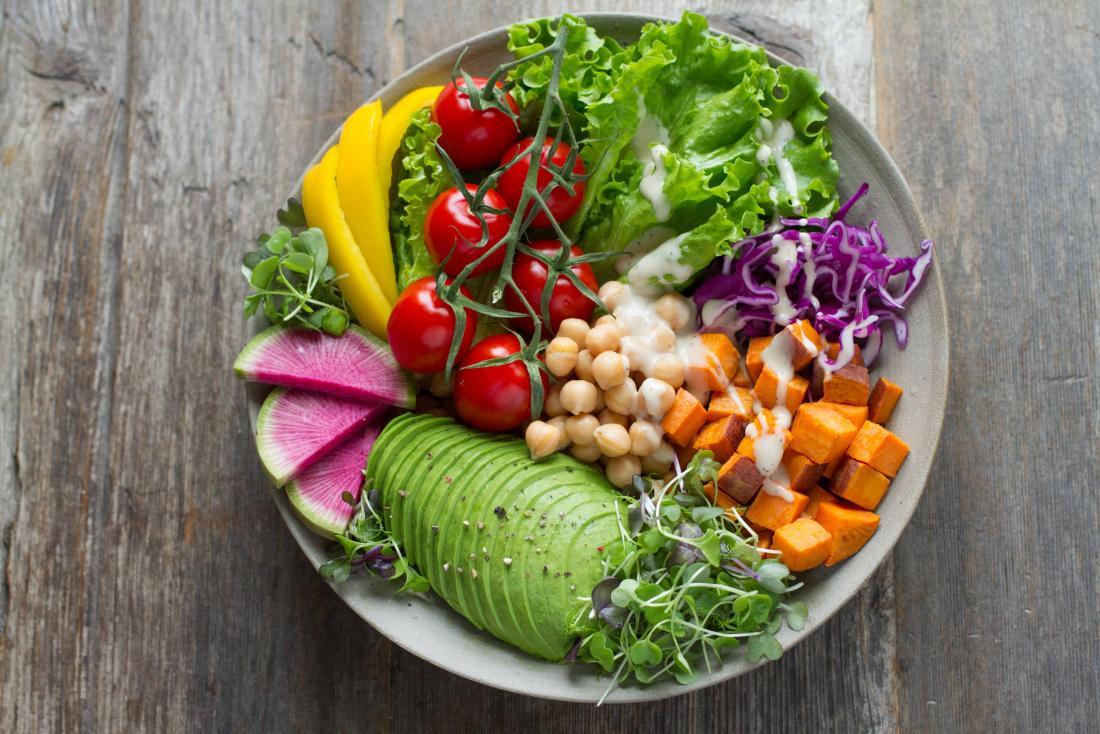
In a world increasingly attuned to the intricacies of health and sustainability, the pursuit of optimal well-being has taken on new dimensions. Enter the vegan diet: a plant-based paradigm that not only promises a bounty of nutrients but also holds the potential to transform your body in ways you may have never imagined. As the culinary landscape shifts, so too does our understanding of nutrition, fitness, and personal vitality. In this article, we will explore the transformative power of vegan diets—shedding light on their impact on physical health, mental clarity, and overall vitality. From nutrient-rich superfoods to innovative recipes that tantalize the taste buds, we invite you on a journey to uncover how embracing a vegan lifestyle can unleash your body’s full potential. Ready to embark on a path of transformation? Let’s dive in.
Table of Contents
- Exploring Nutritional Benefits of a Vegan Diet for Optimal Fitness
- Effective Meal Planning: Crafting a Balanced Vegan Menu
- Incorporating Plant-Based Proteins for Muscle Growth
- Success Stories: Transformations Through Vegan Living
- In Summary
Exploring Nutritional Benefits of a Vegan Diet for Optimal Fitness
A vegan diet offers a treasure trove of nutritional benefits that not only support general health but also enhance fitness levels for those committed to an active lifestyle. Packed with a variety of fruits, vegetables, whole grains, nuts, and seeds, this dietary approach is naturally rich in essential nutrients. Vitamins such as B12 (when fortified), C, and E, as well as minerals like iron and calcium, play crucial roles in energy production, muscle recovery, and overall wellness. Additionally, the high fiber content in plant foods promotes proper digestion and helps maintain optimal weight, key factors in any fitness regime.
Moreover, a well-planned vegan diet can be a powerhouse for antioxidants, which combat oxidative stress caused by intense workouts. The inclusion of colorful produce not only makes meals visually appealing but also maximizes the intake of phytochemicals that support immune function and reduce inflammation. To help visualize these benefits, here’s a simple comparison of the nutrient density of common plant-based foods:
| Food Item | Key Nutrients | Benefits |
|---|---|---|
| Quinoa | Protein, Fiber, Magnesium | Muscle repair, energy |
| Kale | Vitamins A, C, K | Antioxidant support |
| Chickpeas | Protein, Iron, Folate | Muscle building, metabolism |
| Almonds | Healthy Fats, Vitamin E | Heart health, anti-inflammatory |
Effective Meal Planning: Crafting a Balanced Vegan Menu
Planning balanced vegan meals not only simplifies grocery shopping but also ensures that you’re getting a diverse array of nutrients. A successful vegan menu features meal components that are rich in proteins, vitamins, and minerals. Here are some essential building blocks to consider:
- Proteins: Incorporate legumes, beans, tofu, and tempeh.
- Whole Grains: Include quinoa, brown rice, and whole-grain bread for fiber and energy.
- Healthy Fats: Use avocados, nuts, and seeds to enhance flavor and nutrient absorption.
- Fruits and Vegetables: Aim for a rainbow palette to maximize vitamins and antioxidants.
When crafting your weekly menu, consider creating a template that includes a mix of diverse flavors and textures. A sample daily plan might look like this:
| Meal | Option | Nutrients |
|---|---|---|
| Breakfast | Overnight oats with chia seeds and berries | Fiber, antioxidants |
| Lunch | Chickpea salad wrap with spinach and hummus | Plant protein, iron |
| Dinner | Stuffed bell peppers with quinoa and black beans | Vitamins, complete protein |
| Snack | Carrot sticks with almond butter | Healthy fats, beta-carotene |
Incorporating Plant-Based Proteins for Muscle Growth
To build muscle on a vegan diet, it’s crucial to incorporate a variety of plant-based proteins. Unlike animal proteins, plant sources may not provide the complete profile of amino acids in a single serving, but by combining different foods, you can easily meet your nutritional needs. Consider adding the following to your meals:
- Legumes: Lentils, chickpeas, and black beans are excellent sources of protein and fiber.
- Nuts and Seeds: Almonds, chia seeds, and hemp seeds not only provide protein but also healthy fats to support overall well-being.
- Quinoa: A gluten-free grain that is a complete protein, making it a fantastic base for salads and bowls.
- Tofu and Tempeh: These soy products are versatile and can be incorporated into a variety of dishes for added protein.
In addition to whole foods, consider utilizing protein powders derived from plants, such as pea, brown rice, or hemp protein, to supplement your diet, especially post-workout. It can be beneficial to spread your protein intake throughout the day to maximize muscle synthesis. Here’s a simple table showcasing potential sources and their protein content:
| Food Source | Protein per 100g |
|---|---|
| Lentils | 9g |
| Chickpeas | 8.9g |
| Almonds | 21g |
| Tofu | 8g |
| Quinoa | 4g |
Success Stories: Transformations Through Vegan Living
When Sarah first embarked on her vegan journey, she was seeking more than just a dietary change; she craved a complete transformation. Within just a few months, Sarah not only shed excess weight but also discovered newfound energy and vitality. She began exploring vibrant farmers’ markets and experimenting with plant-based recipes, and her enthusiasm spilled over into her daily life. Her weekly yoga classes became more invigorating, and her friends noted a glow about her that hadn’t been there before. The vegan lifestyle empowered Sarah to take control of her health, while inspiring others in her circle to reconsider their own dietary choices.
Similarly, Mark’s transition to a vegan diet was initially motivated by ethical concerns, but the physical benefits soon surprised him. After ditching fast food and processed snacks for whole foods, he found his cholesterol levels plummeting and his stamina increasing. Here’s a glimpse of the remarkable changes Mark experienced:
| Before Vegan | After Vegan |
|---|---|
| High Cholesterol | Normal Levels |
| Frequent Fatigue | Heightened Energy |
| Weight 220 lbs | Weight 180 lbs |
By embracing a plant-based diet, both Sarah and Mark have experienced profound changes in their health and well-being, proving that the journey towards veganism can lead to remarkable personal transformations.
In Summary
As we draw the curtain on our exploration of the transformative potential of vegan diets, it’s clear that the path to a healthier body is intricately woven with choices rooted in compassion, sustainability, and nourishment. Adopting a vegan lifestyle is more than just a dietary shift; it’s an invitation to engage with food in a way that respects both our bodies and the planet.
By embracing the vibrant palette of plant-based foods, we not only unlock a treasure trove of nutrients but also cultivate a deeper connection to what we consume. The stories of countless individuals who have experienced remarkable changes through veganism inspire us to rethink our relationship with food and its ability to redefine our well-being.
As you consider your own journey toward transformation, remember that every small step counts. The power to change is not just about significant gestures but also about the mindful choices we make daily. Whether you are a seasoned vegan or contemplating your first plant-based meal, the potential for growth and vitality is within your reach.
So, take a moment to reflect on what you’ve discovered here. The power to transform your body awaits—it’s now up to you to unleash it.