


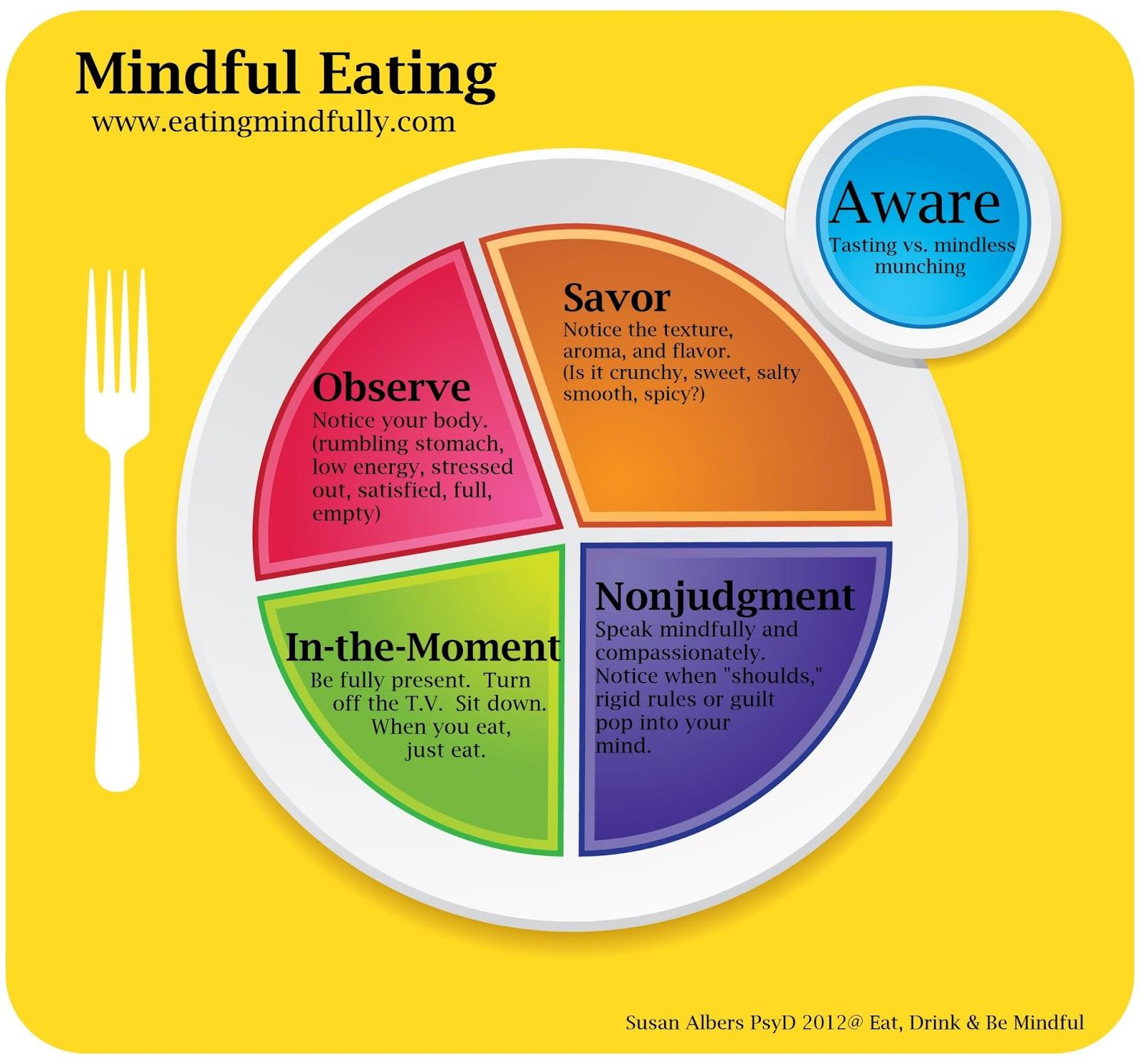
In a world where fast-paced lifestyles and diet fads often overshadow the essence of nourishing our bodies, the concept of mindful eating emerges as a refreshing antidote. Imagine a journey where every bite becomes a celebration, where food transforms from a mere fuel source into an experience steeped in presence and gratitude. “Savor the Journey” invites you to explore the art of mindful eating—not just as a method for weight loss, but as a profound practice that reconnects you with the rhythms of your body and the flavors of your meals. This article delves into the principles of mindful eating, offering insights and practical tips that transcend traditional dieting, guiding you toward a healthier relationship with food and a more balanced lifestyle. Join us as we embark on this transformative path, discovering that the journey to weight loss can be as fulfilling as the destination itself.
Table of Contents
- Exploring the Philosophy of Mindful Eating
- Embracing Sensory Experiences for Healthier Choices
- Practical Strategies to Cultivate Mindful Eating Habits
- Nourishing the Mind: The Connection Between Awareness and Weight Loss
- The Conclusion
Exploring the Philosophy of Mindful Eating
At the heart of mindful eating lies the idea of being fully present during meals. This practice encourages individuals to tune into their bodily sensations, fostering a deeper connection between the mind and body. By paying close attention to the texture, aroma, and flavor of each bite, one can transform eating from a mechanical activity into a sensory experience. Here are key components of this philosophy:
- Awareness: Recognizing hunger cues and cravings without judgment.
- Gratitude: Acknowledging the source of our food and the nourishment it provides.
- Slow Down: Taking time to chew and savor the food, which enhances satisfaction.
Mindful eating not only aids in weight loss but also promotes overall well-being by reducing stress and emotional eating. When individuals cultivate a patient approach to meals, they often find that they naturally consume smaller portions and make healthier choices. Consider the following differences between traditional eating and mindful eating for a clearer understanding:
| Traditional Eating | Mindful Eating |
|---|---|
| Eating on autopilot | Fully engaged during meals |
| Distraction while eating | Focused on food and surroundings |
| Ignoring fullness cues | Listening to body signals |
Embracing Sensory Experiences for Healthier Choices
Embracing our sensory experiences can transform the way we approach food, making healthier choices not just possible but enjoyable. By engaging more fully with our senses, we can enhance the flavors, textures, and aromas of our meals, leading to a more satisfying eating experience. Here are some simple yet impactful techniques to immerse ourselves in the sensory journey of eating:
- Visual Appeal: Arrange your plate thoughtfully; vibrant colors can stimulate your appetite and mood.
- Texture Play: Combine crunchy, creamy, and chewy foods to make each bite interesting.
- Aromatherapy: Inhale the scents of your food before you eat to increase anticipation and enjoyment.
- Savor the Taste: Chew slowly and mindfully, allowing flavors to develop on your palate.
By focusing on these sensory aspects, we cultivate awareness of our eating habits, leading us to not only enjoy our meals more but also recognize when we are satisfied. Creating a mindful eating environment can also make a significant difference. Consider implementing some of these elements into your dining experience:
| Element | Description |
| Ambiance | Soft lighting and calming music can enhance relaxation during meals. |
| Mindful Breathing | Take a few deep breaths before eating to ground yourself and focus. |
| Device-Free Zone | Eliminate distractions by keeping phones and gadgets away from the table. |
| Table Setting | Set your table neatly to elevate the dining experience, making each meal feel special. |
Practical Strategies to Cultivate Mindful Eating Habits
To foster mindful eating habits, it’s essential to start with a few foundational shifts in your daily routine. Begin by eliminating distractions during mealtime. This means putting your phone away, turning off the TV, and creating a calm environment that encourages focus on your food. Consider using the 5 senses to enhance your experience; take a moment to observe the colors, smell the aromas, taste the flavors, and feel the textures of what you eat. This multi-sensory approach not only enriches your meal but encourages a deeper connection to your body’s hunger and satiety signals.
In addition, utilize smaller plates and bowls to create the illusion of a fuller portion. This can help trick the mind into feeling satisfied with less food. Pay attention to your body’s cues by practicing portion control and allowing yourself to truly taste each bite. Use a simple table to track your meals and how they made you feel, which can help identify emotional eating patterns:
| Meal | Feelings Before | Feelings After |
|---|---|---|
| Breakfast | Hungry | Satisfied |
| Lunch | Bored | Refreshed |
| Dinner | Stressed | Calm |
By reflecting on these insights regularly, you’ll gradually cultivate a more mindful approach to eating, enhancing both your emotional rapport with food and your weight loss journey.
Nourishing the Mind: The Connection Between Awareness and Weight Loss
Our daily lives are often characterized by a whirlwind of activities and distractions, which can lead to mindless eating habits. To foster a healthier relationship with food, it’s essential to cultivate awareness during mealtimes. Practicing the art of mindful eating allows individuals to savor the flavors, textures, and aromas of their meals, transforming the act of eating into a more enriching experience. Here are some simple ways to enhance awareness while eating:
- Eliminate distractions: Turn off screens and focus solely on your food.
- Chew slowly: Take the time to savor each bite, allowing flavors to unfold.
- Pause between bites: This practice can help you listen to your body’s hunger cues.
- Reflect on your food: Consider where it came from and the effort involved in its preparation.
Nurturing awareness not only alters the eating experience but can also play a pivotal role in weight loss. By tuning into bodily sensations, individuals can better differentiate between hunger and emotional cravings, leading to improved dietary choices. Studies have shown that people who practice mindful eating tend to consume fewer calories and develop a deeper appreciation for the nourishment they provide to their bodies. To better visualize this connection, consider the following table illustrating key benefits of mindful eating:
| Mindful Eating Benefits | Impact on Weight Loss |
|---|---|
| Increased awareness of hunger and fullness | Prevents overeating |
| Enhanced enjoyment of food | Encourages satisfaction with smaller portions |
| Reduced emotional eating | Promotes healthier food choices |
The Conclusion
As we conclude our exploration of “,” it’s clear that this path is not merely about shedding pounds, but about cultivating a deeper relationship with food and ourselves. Each bite becomes an opportunity for reflection, each meal a moment to reconnect with our bodies and our minds.
Mindful eating encourages us to slow down and appreciate the flavors, textures, and aromas that food offers, transforming a routine activity into an enriching experience. It invites us to listen to our hunger cues, understand our emotional ties to food, and ultimately reclaim the joy in eating.
As you embark on your own mindful eating journey, remember that it’s not a race, but a personal odyssey filled with discoveries. Embrace the lessons along the way, nourish your body with intention, and savor each step as you move towards your wellness goals. Your journey is uniquely yours, and every mindful moment counts. So, take a deep breath, engage your senses, and enjoy the delicious path ahead.