


Core strength is fundamental to overall physical fitness and plays a crucial role in enhancing performance across various activities, from daily tasks to athletic pursuits. A strong core stabilizes the body, supports posture, and reduces the risk of injury. However, finding suitable workout routines that cater to different levels of fitness can be a challenge. This article aims to provide an overview of effective core strength workout routines designed for individuals at all stages, from beginners to advanced practitioners. By exploring a variety of exercises and methodologies, readers will gain insight into how to build a stronger core, improve stability, and enhance functional movement, regardless of their starting point.
Table of Contents
- Understanding Core Strength and Its Benefits
- Key Exercises for Building Core Strength
- Structuring a Core Workout Routine for Different Fitness Levels
- Tips for Maintaining Motivation and Tracking Progress in Core Training
- Concluding Remarks
Understanding Core Strength and Its Benefits
Core strength refers to the ability of your body to stabilize and control movement through your torso, encompassing a complex network of muscles, including the abdominal, back, and pelvic muscles. These muscles work synergistically to support proper posture, balance, and overall functional movement. Strengthening your core not only enhances athletic performance but also reduces the risk of injury by providing a stable foundation for all physical activities. A strong core allows individuals to lift heavier weights, execute movements with greater precision, and maintain correct alignment, ultimately leading to a more efficient workout routine.
The advantages of developing core strength extend beyond physical performance. Improved core stability can lead to better posture, reducing the chances of back pain and enhancing everyday activities such as sitting, standing, and walking. Some key benefits include:
- Enhanced balance and coordination
- Increased functional strength
- Reduced lower back pain
- Improved athletic performance
- Better digestion and core organ function
Key Exercises for Building Core Strength
To effectively enhance core strength, incorporating a variety of exercises is crucial. Start with planks, a foundational move that targets multiple muscle groups, including the abdominals, shoulders, and lower back. Progress to side planks to build stability and engage the obliques. Consider adding Russian twists and mountain climbers for rotational and dynamic strength, respectively. Another effective exercise is the bird-dog, which improves coordination and balance while strengthening the core.
As you advance, integrate weighted variations to your routine. Exercises like the kettlebell swing and medicine ball slams not only enhance core stability but also boost cardiovascular fitness. Additionally, using a stability ball for exercises such as ball passes or roll-outs can further challenge your core and improve overall functionality. As you tailor your workouts, remember to prioritize proper form to maximize benefits and prevent injury.
Structuring a Core Workout Routine for Different Fitness Levels
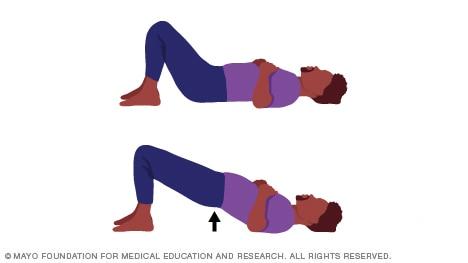
When designing a core workout routine, it’s essential to tailor it based on the individual’s fitness level. Beginners can focus on fundamental exercises that build a solid foundation. Engaging in activities such as planks and glute bridges helps develop core stability without overwhelming the muscles. Here’s a sample beginner routine:
| Exercise | Duration/Reps |
|---|---|
| Plank | 30 seconds |
| Glute Bridge | 10 reps |
| Bird Dog | 10 reps (each side) |
| Dead Bug | 10 reps |
For intermediate and advanced fitness enthusiasts, the core workout can be intensified by integrating more complex movements that require greater muscle engagement and coordination. Exercises such as hanging leg raises and Russian twists challenge stability and strength. Here’s a refined routine for those at an advanced level:
| Exercise | Duration/Reps |
|---|---|
| Hanging Leg Raises | 10-15 reps |
| Russian Twists | 15 reps (each side) |
| Side Plank | 30 seconds (each side) |
| Medicine Ball Slams | 10 reps |
Tips for Maintaining Motivation and Tracking Progress in Core Training
To stay motivated during your core training journey, it is essential to set realistic and achievable goals. Break down larger objectives into smaller milestones, allowing you to celebrate each accomplishment along the way. This not only provides a sense of achievement but also keeps your spirits high. Additionally, find a workout buddy or join a fitness community to share your progress and stay accountable. Surrounding yourself with like-minded individuals can greatly enhance your motivation and make the experience more enjoyable.
Tracking your progress is equally crucial in maintaining motivation. Consider using a fitness journal or mobile app to log your workouts, sets, and repetitions. This will help you visualize your improvements over time. You can also implement the following strategies for a more organized approach to progress tracking:
| Tracking Method | Description |
|---|---|
| Workout Journal | Write down daily workouts and feelings to reflect on your journey. |
| Progress Pictures | Take regular photos to visually see changes in your physique. |
| Performance Metrics | Track time, weight, or repetitions for key exercises to gauge strength gains. |
| Self-Assessment | Evaluate your core stability and endurance through specific tests. |
Concluding Remarks
core strength is a fundamental aspect of overall fitness, offering benefits that extend beyond physical appearance to enhance performance, improve posture, and reduce the risk of injury. Whether you are a beginner looking to establish a solid foundation or an experienced athlete seeking to elevate your training, there are core workout routines suitable for all fitness levels. By incorporating a variety of exercises that target different muscle groups within the core, individuals can create a balanced and effective workout regimen. Remember to prioritize proper form and listen to your body, progressively increasing intensity as your strength improves. With dedication and consistency, a well-structured core strength workout routine can lead to significant improvements in both functional fitness and overall well-being.