


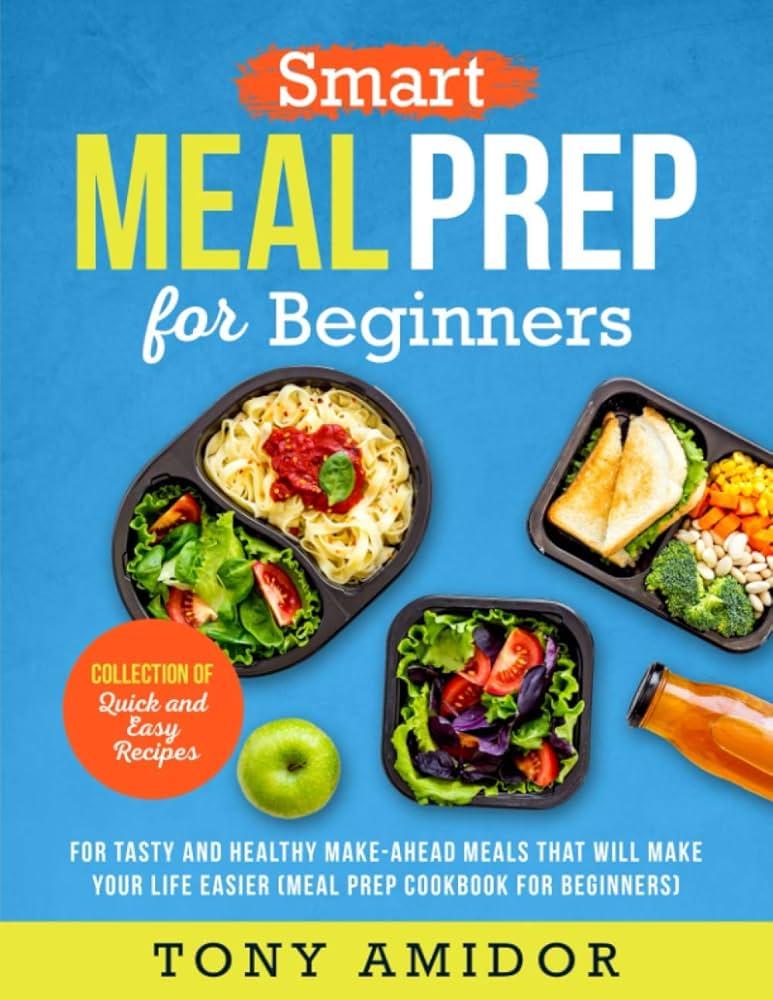
In today’s fast-paced world, where the relentless rhythm of daily life can often overshadow our health goals, the art of meal prep offers a radiant beacon of hope. Imagine opening your refrigerator to find a colorful array of nourishing, pre-portioned meals, each one meticulously crafted to support your weight loss journey. This isn’t just a trend; it’s a transformative strategy that empowers you to take control of your nutrition, curtail impulsive eating, and save valuable time. In this article, we will explore smart meal prep strategies designed to not only simplify your cooking routine but also elevate your path toward healthier living. Whether you’re a seasoned expert or a curious novice, our comprehensive guide will equip you with the tools and inspiration needed to make meal prepping an integral part of your weight loss success. Let’s embark on this culinary adventure together, turning your kitchen into a sanctuary of health and well-being.
Table of Contents
- Mastering Portion Control for Balanced Nutrition
- Incorporating Variety to Prevent Meal Fatigue
- Leveraging Time-Saving Tools for Efficient Prep
- Crafting a Sustainable Meal Plan for Long-Term Success
- Future Outlook
Mastering Portion Control for Balanced Nutrition
Portion control is a vital practice for anyone aiming to achieve balanced nutrition and successful weight loss. By learning how to serve and consume the right amounts of food, you can not only avoid overindulgence but also ensure that your body receives the necessary nutrients without excess calories. Here are some effective strategies to help you master portion sizes:
- Use Smaller Plates: Switching to smaller dishes can create a psychological illusion of a fuller plate, allowing you to feel satisfied with less food.
- Pre-Portion Snacks: Instead of munching directly from the bag, portion out snacks in advance to prevent mindless eating.
- Read Nutrition Labels: Familiarize yourself with serving sizes on packaging to better understand how much you should eat.
- Incorporate Measuring Tools: Utilize measuring cups or a food scale to accurately gauge your portions.
Keeping a food journal is another smart approach to achieve better portion control. Documenting everything you eat helps you stay mindful of your consumption and can highlight patterns that may lead to overeating. For example, tracking your meals and their corresponding portion sizes can reveal your typical serving habits or times when you tend to eat larger amounts. To simplify this, consider the following template:
| Meal | Portion Size | Notes |
|---|---|---|
| Breakfast | 1 cup oatmeal | Add fruit for sweetness |
| Lunch | 2 palm-sized portions of protein | Include leafy greens |
| Dinner | 1 fist-sized serving of carbs | Opt for whole grains |
| Snacks | 1 serving size | Pre-portioned nuts or yogurt |
Incorporating Variety to Prevent Meal Fatigue
To keep your meals exciting and avoid the dreaded taste fatigue, it’s essential to embrace a range of flavors, colors, and textures in your meal prep. This can be achieved by experimenting with different cuisines, which not only adds variety but can also introduce new nutrients into your diet. For instance, you might try:
- Asian flavors: Incorporate ginger, soy sauce, and sesame oil.
- Mediterranean influence: Use olive oil, garlic, and fresh herbs.
- Latin spices: Add cumin, lime, and cilantro for a zesty kick.
In addition to flavor, think about the visual appeal and texture of your meals. Mixing crunchy, creamy, and soft elements can transform a simple dish into a gourmet experience. Consider combining:
- Roasted vegetables with a sprinkle of nuts for crunch.
- Whole grains with creamy dressings or sauces.
- Leafy greens topped with fruits for a refreshing twist.
Leveraging Time-Saving Tools for Efficient Prep
In today’s fast-paced world, harnessing the potential of technology can significantly reduce the time spent in the kitchen, allowing you to focus more on your weight loss goals. Meal prep apps can streamline your shopping and planning processes, saving you precious hours each week. These tools often come equipped with features such as customizable meal plans, budgeting calculators, and nutrition tracking. With a few taps on your phone, you can create a shopping list based on your chosen recipes, minimizing impulse purchases at the grocery store and ensuring you only buy what’s necessary for your meals.
Additionally, investing in smart kitchen gadgets can transform your meal prep routine. Items like slow cookers, instant pots, and high-speed blenders can help you prepare nutritious meals with minimal hands-on time. Here’s a quick overview of some essential tools:
| Tool | Function |
|---|---|
| Slow Cooker | Cooks meals slowly for enhanced flavors and tender proteins. |
| Instant Pot | Combines multiple cooking functions for quick, one-pot meals. |
| Food Processor | Slices, dices, and purees ingredients rapidly for faster prep. |
By integrating these tools into your routine, you can maximize efficiency and enjoy healthy eating without the constant stress of meal planning and preparation. Prioritizing these resources in your kitchen not only leads to time savings but also simplifies your path towards achieving your weight loss objectives.
Crafting a Sustainable Meal Plan for Long-Term Success
Creating a meal plan that is both sustainable and effective requires a thoughtful approach to ingredient selection and preparation. Start by focusing on seasonal and local produce, as these options are often fresher and more nutrient-dense. Incorporating a variety of whole foods is key; think along the lines of colorful fruits and vegetables, lean proteins, whole grains, and healthy fats. Additionally, consider the use of plant-based proteins such as beans and lentils, which are not only nutritious but also environmentally friendly. Here are some strategies to build your meal plan:
- Batch Cooking: Prepare large quantities of staples like quinoa, brown rice, and roasted vegetables to use throughout the week.
- Smart Snacking: Cut up fruits or veggies at the start of the week to have ready-to-eat snacks on hand.
- Portion Control: Use containers to divide meals into appropriate portions, promoting mindful eating and reducing waste.
It’s also important to maintain flexibility within your meal plan, allowing for alterations based on seasonal availability or personal cravings. You might consider creating a simple table to track your meal components, ensuring you’re getting a balance of nutrients while keeping it interesting. For example:
| Meal | Main Protein | Carbohydrate | Vegetable |
|---|---|---|---|
| Lunch | Grilled Chicken | Quinoa | Steamed Broccoli |
| Dinner | Black Bean Stir-fry | Brown Rice | Mixed Peppers |
| Snack | Greek Yogurt | Fresh Berries | – |
This structured approach not only simplifies the meal prep process but also ensures you meet your nutritional goals. Embrace the art of cooking while also enjoying the benefits of a plan that enhances your health and supports long-term weight loss success.
Future Outlook
As you embark on your weight loss journey, remember that smart meal prep is more than just a convenient way to fill your fridge; it’s a transformative strategy that empowers you to take control of your nutrition and, ultimately, your health. By planning, preparing, and portioning your meals in advance, you can sidestep the pitfalls of impulsive eating and find joy in nourishing your body with wholesome choices. Embrace the process, experiment with flavors, and make it a fun part of your routine.
With these meal prep strategies in your toolkit, you’re equipped to face each week with confidence, clarity, and a commitment to your goals. So, roll up your sleeves, gather your ingredients, and let the kitchen become your ally on this exciting journey. Here’s to the delicious meals ahead and the remarkable milestones you’ll achieve—one prep day at a time!