


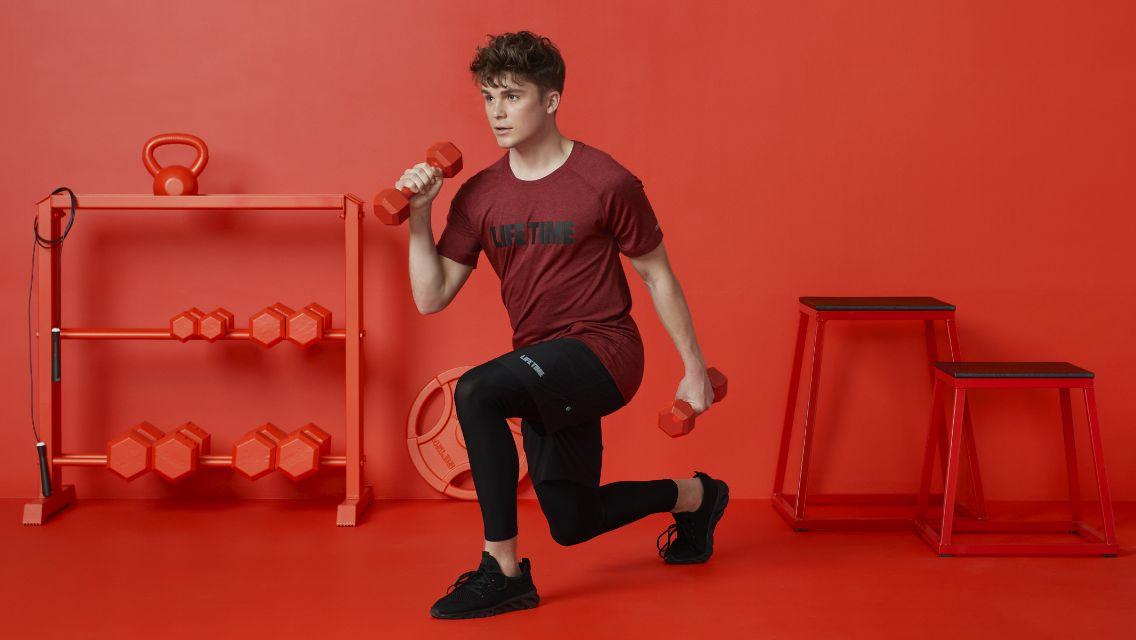
In a world where screens often dominate leisure time and sedentary lifestyles have become the norm, the importance of physical fitness for youth cannot be overstated. The adolescent years, a critical period of growth and development, present a unique opportunity to cultivate healthy habits that can last a lifetime. “” seeks to shed light on the vibrant array of fitness initiatives designed specifically for teenagers. From innovative workout classes to community sports leagues and personalized training plans, this guide explores how these programs not only enhance physical well-being but also foster confidence, teamwork, and resilience. As we delve into the transformative impact of engaging in fitness activities, we invite parents, educators, and young athletes alike to unlock the potential within our youth and inspire a new generation to embrace an active, healthy lifestyle.
Table of Contents
- Understanding the Importance of Fitness in Teen Development
- Choosing the Right Training Programs for Diverse Needs
- Incorporating Fun and Engagement in Fitness Routines
- Nutrition for Young Athletes: Fueling the Body for Success
- To Conclude
Understanding the Importance of Fitness in Teen Development
Engaging in fitness during the teenage years lays the foundation for a healthy lifestyle that can last a lifetime. During this critical period of growth and development, incorporating physical activity can enhance not only physical health but also mental well-being. Physical fitness contributes to several key areas of teen life:
- Improved Mood: Exercise releases endorphins, which can significantly boost mood and reduce symptoms of anxiety and depression.
- Social Connections: Participating in group activities and sports fosters teamwork and friendships, promoting a sense of belonging.
- Discipline and Responsibility: Regular training instills a sense of commitment and accountability, crucial skills in both personal and academic realms.
Moreover, physical fitness plays a pivotal role in the development of essential life skills that extend beyond the gym or sports field. By engaging in exercise routines, teens learn how to set and achieve goals, manage time effectively, and cultivate resilience in the face of challenges. Through structured fitness programs, they can also gain valuable insights into personal health and nutrition, paving the way for informed lifestyle choices in the future. Here’s a brief overview of beneficial fitness activities that can be integrated into a teen’s routine:
| Activity | Benefits |
|---|---|
| Team Sports | Enhances teamwork and leadership skills. |
| Yoga | Improves flexibility and mindfulness. |
| Cardiovascular Activities | Boosts heart health and endurance. |
| Strength Training | Builds muscle and enhances body confidence. |
Choosing the Right Training Programs for Diverse Needs
When selecting training programs for teens, it’s essential to consider their unique interests, abilities, and fitness goals. Variety is key to keeping them engaged and motivated. Offering options such as strength training, aerobic activities, and flexibility routines can cater to different preferences and fitness levels. Additionally, programs that incorporate fun elements like games or challenges can make workouts enjoyable and less intimidating. Here are some crucial factors to consider:
- Age Appropriateness: Ensure the program is suitable for the specific age group.
- Skill Level: Assess the current fitness level and adapt programs accordingly.
- Interests: Engage teens by aligning programs with their hobbies, whether it’s martial arts, dance, or sports.
- Instruction Quality: Look for certified trainers who can provide safe and effective guidance.
Moreover, it can be helpful to blend different training styles within a program to cover various aspects of fitness. A well-rounded approach not only enhances physical capabilities but also promotes mental resilience and social skills. Consider creating a comparison table to evaluate different programs based on key attributes such as duration, intensity, and special features:
| Program Name | Duration | Focus Area | Special Features |
|---|---|---|---|
| Strength & Conditioning | 12 Weeks | Muscle Development | Individual Assessment |
| Teen Yoga | 8 Weeks | Flexibility & Mindfulness | Relaxation Techniques |
| High-Intensity Interval Training (HIIT) | 10 Weeks | Cardio & Endurance | Team Competitions |
With thoughtful consideration and a focus on the individual needs of each participant, it is possible to create a path for teens that not only encourages physical health but also inspires a lifelong commitment to fitness.
Incorporating Fun and Engagement in Fitness Routines
Engaging teens in fitness can transform a routine chore into an exciting adventure. To captivate their interest, mix traditional exercise with fun activities that resonate with their social lives. Try incorporating elements such as:
- Group Challenges: Create friendly competitions among peers that encourage teamwork and enthusiasm.
- Music-Infused Workouts: Design classes around their favorite playlists to keep the energy high.
- Themed Events: Host seasonal events that tie in holiday themes, such as costume workouts for Halloween or beach day boot camps.
Utilizing technology can also enhance engagement, making workouts feel contemporary and relevant. Apps and fitness trackers can gamify their fitness journey, allowing them to earn badges or rewards for reaching milestones. Some fun tech-savvy ideas include:
- Virtual Reality Workouts: Immerse them in games or scenarios where physical activity translates to an exciting experience.
- Fitness Social Media Challenges: Encourage sharing progress on platforms like Instagram or TikTok to foster community and support.
- Interactive Fitness Workshops: Invite influencers or local athletes to guide sessions, creating a connection between fitness and aspiration.
Nutrition for Young Athletes: Fueling the Body for Success
For young athletes, nutrition is crucial in fueling both performance and growth. A well-balanced diet consisting of macronutrients and micronutrients plays a fundamental role in optimizing energy levels, enhancing recovery, and supporting overall health. Incorporating a variety of whole foods ensures that the body receives essential proteins, carbohydrates, and fats, as well as vitamins and minerals. Here are some dietary staples for young athletes:
- Lean Proteins: Chicken, fish, beans, and legumes
- Whole Grains: Brown rice, whole wheat bread, oats
- Fruits and Vegetables: A rainbow of colors for diverse nutrients
- Healthy Fats: Avocados, nuts, seeds, and olive oil
Understanding hydration is also vital; encouraging young athletes to drink plenty of water before, during, and after physical activity will keep them in peak condition. To provide a clear guideline for daily nutritional needs, refer to the table below:
| Age Group | Calories | Protein (g) | Carbohydrates (g) | Fats (g) |
|---|---|---|---|---|
| 13-15 years | 2,000-2,400 | 45-60 | 250-350 | 40-70 |
| 16-18 years | 2,400-3,000 | 50-70 | 300-450 | 50-90 |
By prioritizing nutrition, young athletes can lay the groundwork for success, improving their performance while achieving a balanced lifestyle. Emphasizing food education and healthy eating habits will not only benefit athletic performance but also contribute to lifelong wellness.
To Conclude
As we draw the curtains on our exploration of teen fitness training programs, it becomes clear that empowering youth through physical activity is more than just a trend—it’s a vital investment in their futures. The journey to wellness is a multifaceted adventure, offering not only physical benefits but also teaching essential life skills such as discipline, teamwork, and resilience. By providing structured programs that cater to the diverse interests and abilities of young people, we pave the way for healthier habits and a stronger sense of self.
As parents, educators, and community leaders, let us champion these initiatives that amplify voices, inspire confidence, and foster camaraderie among teens. The tools and insights shared in this guide are stepping stones towards building a vibrant generation that values fitness as a cornerstone of a balanced life.
May this article serve as a catalyst for action—a call to embrace the transformative power of movement in the lives of our youth. Together, let’s nurture their potential and help them thrive, ensuring that the path to a healthy future is not just a possibility but a promise fulfilled.