


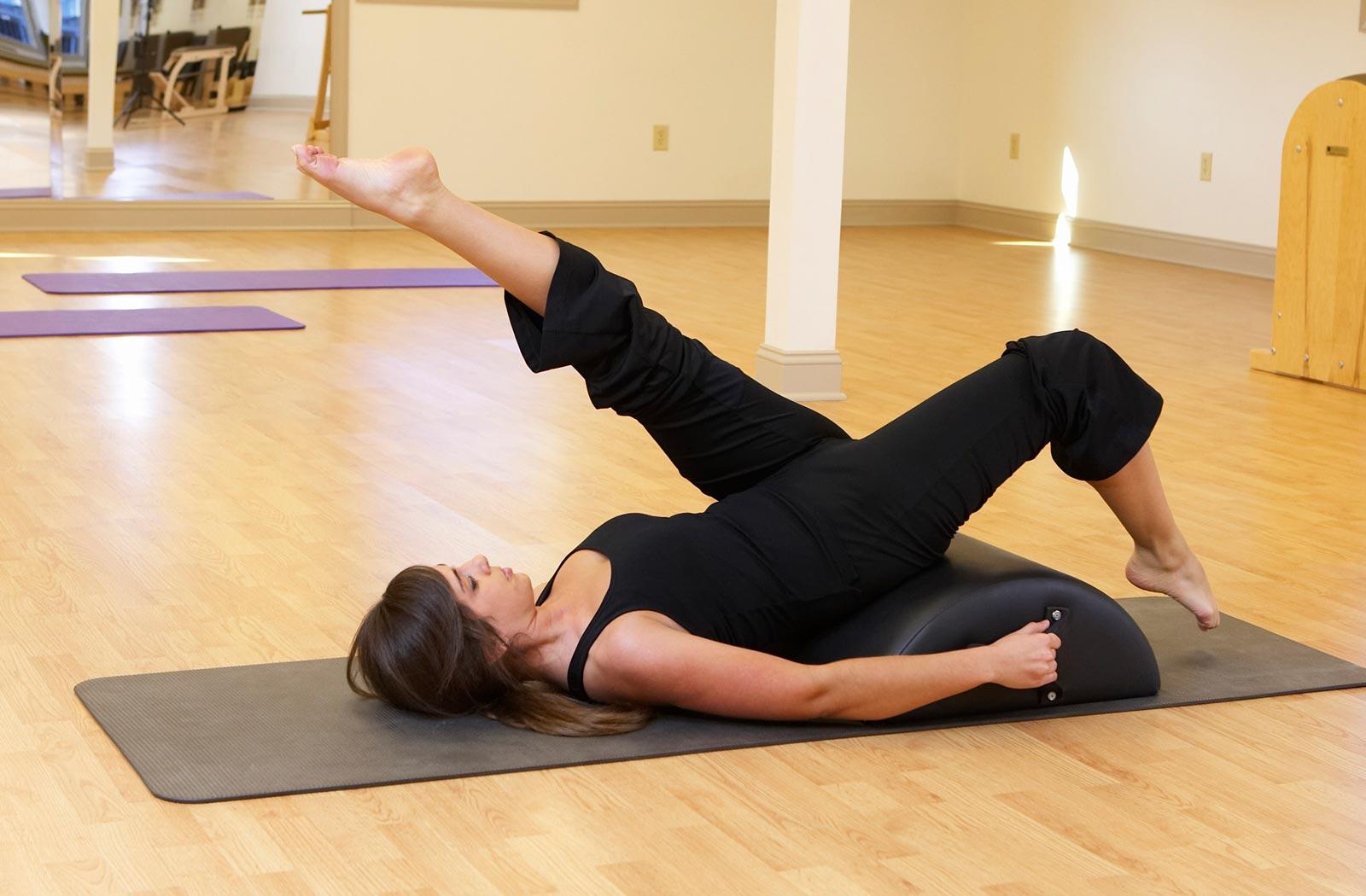
In a world where fitness trends come and go, Pilates stands as a timeless pillar of strength and flexibility, offering a holistic approach to body transformation. Whether you’re a seasoned athlete seeking to enhance your performance or a beginner embarking on a journey toward wellness, Pilates provides a unique blend of physical and mental conditioning that can reshape your entire being. This comprehensive guide will take you through the essential principles of Pilates training, exploring its rich history, core techniques, and the myriad benefits it offers. From refining your posture to cultivating a deeper mind-body connection, let’s delve into the transformative power of Pilates and discover how it can reframe not just your body, but also your approach to health and fitness. Prepare to embark on a journey that promises not only to tone and strengthen but to empower you in ways you’ve yet to imagine.
Table of Contents
- Exploring the Foundations of Pilates: Core Principles and Techniques
- Crafting the Perfect Routine: Tailoring Pilates for Your Fitness Level
- Mind and Body Connection: Enhancing Mental Focus Through Pilates Practice
- Incorporating Pilates into Daily Life: Practical Tips for Sustainable Transformation
- Wrapping Up
Exploring the Foundations of Pilates: Core Principles and Techniques
Pilates is not just a workout; it’s a dynamic system that promotes harmony between mind and body through a series of controlled, precise movements. At its core, the practice emphasizes pelvic stability, spinal alignment, and breath control, key components that enhance strength and flexibility. By integrating these principles, practitioners learn to engage their core muscles—the powerhouse of the body—leading to improved posture and diminished risk of injury. Here are some foundational techniques that exemplify these core principles:
- Controlled Movements: Every exercise is executed with mindfulness, focusing on quality rather than quantity.
- Concentration: Engaging both the body and mind ensures effective execution and maximizes benefits.
- Precision: Each movement is performed with meticulous attention to detail, promoting proper alignment.
- Breathing: Coordinating breath with movement helps to optimize oxygen flow and enhance relaxation.
Understanding these principles forms the bedrock of Pilates practice, enabling a deeper connection to one’s physical capabilities. The techniques are versatile, allowing for modifications that cater to different fitness levels. For those seeking to refine their practice, consider these essential exercises:
| Exercise | Benefits |
|---|---|
| Plank | Strengthens core and arms, enhances stability. |
| Roll Up | Improves spinal flexibility and engages the abdominals. |
| Bridge | Strengthens glutes and lower back, opens hips. |
Crafting the Perfect Routine: Tailoring Pilates for Your Fitness Level
Creating a Pilates routine that resonates with your personal fitness level is essential for achieving optimal results and maintaining motivation. Whether you are a beginner exploring the fundamentals or an advanced practitioner seeking to deepen your practice, the key lies in understanding your body’s limitations and capabilities. Start by identifying your current fitness level and set realistic goals that align with it. Focus on core principles such as strength, flexibility, and alignment to sculpt a program tailored to your needs. Remember, Pilates is highly adaptable and can be transformed by modifying exercises or adjusting the intensity to foster progress without risk of injury.
To guide your journey, consider incorporating a variety of exercises that target specific muscle groups while promoting overall body awareness. Here’s a brief overview of modifications you might consider based on your level:
| Fitness Level | Exercise Recommendations | Modifications |
|---|---|---|
| Beginner | – Basic Mat Exercises – Breathing Techniques |
– Use props for support – Focus on slow movements |
| Intermediate | – Roll Up – Side Leg Series |
– Increase resistance – Add dynamic movements |
| Advanced | – Teaser – Advanced Reformer Work |
– Incorporate balance challenges – Explore complex sequences |
Incorporating these structured modifications allows you to progressively challenge your body while ensuring that you’re safe and comfortable in each position. Listening to your body is crucial; if an exercise feels too challenging, it’s perfectly acceptable to adapt it or return to an easier variation. The goal is to create a sustainable and enjoyable practice that encourages growth, improves strength, and ultimately transforms your fitness journey.
Mind and Body Connection: Enhancing Mental Focus Through Pilates Practice
The practice of Pilates goes beyond physical conditioning; it serves as a gateway to enhancing mental clarity and focus. As you engage in controlled movements and deep breathing, your mind enters a meditative state, allowing you to connect more deeply with your body. This connection fosters a heightened awareness of posture, alignment, and muscle engagement, which can significantly improve concentration and reduce distractions. Principles of focus and intention—integral components of Pilates—encourage practitioners to be fully present, ultimately leading to improved performance not only on the mat but in daily life.
Incorporating specific Pilates exercises can further facilitate this mind-body synergy. A well-rounded routine might include:
- The Hundred: Builds core strength while enhancing lung capacity.
- Roll-Up: Promotes spinal articulation and deep stretching, generating a sense of harmony.
- Single-Leg Stretch: Challenges balance and coordination, sharpening cognitive engagement.
To visualize the impact of Pilates on focus, consider the following table:
| Exercise | Mental Focus Benefits |
|---|---|
| The Hundred | Enhances breath control and concentration |
| Roll-Up | Improves mindfulness and body awareness |
| Single-Leg Stretch | Increases mental agility and focus |
Incorporating Pilates into Daily Life: Practical Tips for Sustainable Transformation
Integrating Pilates into your daily routine can transform not only your body but also your overall approach to wellness. One of the best ways to make Pilates a sustainable practice is to set realistic goals. Begin by dedicating just 10 to 15 minutes each day to practice basic Pilates exercises. This manageable timeframe allows you to gradually build your strength and flexibility without overwhelming yourself. Consider these simple tips to enhance your daily practice:
- Start small: Choose 2-3 exercises to focus on every day.
- Create a dedicated space: Designate a specific area in your home for your Pilates practice.
- Stay consistent: Aim for a consistent schedule, whether it’s morning, lunch, or evening.
- Use online resources: Explore apps or videos that can guide you through quick sessions.
Scheduling your Pilates sessions like appointments can significantly boost your commitment. You can also incorporate the principles of Pilates into your daily activities, such as working on your posture while sitting at your desk or engaging your core during mundane tasks like washing dishes. Creating a Pilates lifestyle is about embracing movement and being mindful of how you carry your body. Here’s a simple table that highlights activities where you can integrate Pilates principles:
| Activity | Pilates Principle |
|---|---|
| Sitting at a desk | Engage your core and maintain a neutral spine. |
| Walking | Lengthen your spine and activate your abdominals. |
| Picking up items | Use your legs, engage your pelvic floor, and maintain alignment. |
Wrapping Up
As we draw the curtains on this comprehensive exploration of Pilates training, it’s clear that the journey toward transforming your body is paved with intention, patience, and enthusiasm. The principles of Pilates extend far beyond the mat; they encourage awareness, flexibility, and strength in all aspects of life. Whether you’re a seasoned practitioner or a curious beginner, embracing this practice opens a door to not only physical change but also mental resilience.
Remember, the road to transformation is uniquely yours, filled with the ups and downs that come with any meaningful endeavor. Take time to savor each moment of progress, no matter how small, and celebrate the strength you cultivate, both inside and out. As you move forward, let the foundational elements of Pilates guide you—control, concentration, precision, breath, and flow.
Ultimately, this guide is just the beginning. The real journey lies in your commitment to embody the principles, making Pilates a vibrant addition to your lifestyle. Whether you choose to join a class, practice at home, or explore further resources, know that each step puts you closer to your goals. So, roll out your mat, breathe deeply, and embrace the transformative power of Pilates—your body and mind will thank you for it.