


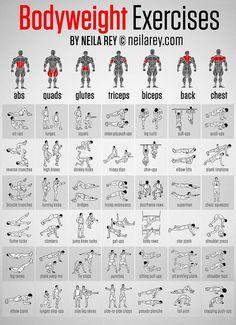
In the pursuit of personal fitness, individuals often find themselves confronting a wide array of goals, ranging from weight loss and muscle gain to enhancing endurance and flexibility. As the fitness landscape continues to evolve, the importance of tailored workout routines has become increasingly evident. Targeted workout programs are designed to address specific objectives, allowing individuals to optimize their training efforts and maximize results. This article delves into the concept of targeted workout routines, exploring the methodologies behind them, the various fitness goals they aim to achieve, and practical strategies for customizing routines to align with individual needs and aspirations. By understanding the principles of targeted training, readers can better equip themselves to embark on their fitness journeys with clarity and purpose.
Table of Contents
- Understanding Your Fitness Goals and Objectives
- Selecting the Right Workout Routine for Targeted Outcomes
- Incorporating Strength Training for Muscle Building
- Enhancing Endurance Through Cardiovascular Workouts
- Closing Remarks
Understanding Your Fitness Goals and Objectives
Establishing clear and measurable fitness goals is essential for structuring a workout routine that yields results. Whether you’re aiming for weight loss, muscle gain, or improved endurance, understanding your objectives will help you select the most effective exercises and training frequencies. To set yourself up for success, consider the following factors:
- Specificity: Define what you want to achieve, such as running a 5K, lifting a certain weight, or losing a specific number of pounds.
- Measurability: Use metrics like measurements, body fat percentage, or performance benchmarks to track your progress.
- Realism: Set achievable goals based on your current fitness level and available time to train.
- Time-bound: Establish deadlines to create urgency and keep yourself accountable.
Once you have a clear understanding of your fitness goals, you can tailor your workout routine to meet those objectives. It’s important to choose exercises that not only align with your goals but also engage your interest to maintain motivation. For example, if your aim is to increase muscle mass, your routine may focus on compound lifts such as squats and deadlifts. A sample breakdown of workout focuses based on different objectives is illustrated below:
| Fitness Goal | Workout Focus | Recommended Activities |
|---|---|---|
| Weight Loss | High-Intensity Cardio | HIIT, Running, Cycling |
| Muscle Gain | Strength Training | Free Weights, Resistance Training |
| Flexibility | Mobility and Stretching | Yoga, Pilates |
| Endurance | Long-Distance Cardio | Marathons, Swimming, Rowing |
Selecting the Right Workout Routine for Targeted Outcomes
When embarking on a fitness journey, it’s crucial to identify your specific goals, as this will dictate the type of workout routine best suited for you. Whether you’re aiming to improve your stamina, build muscle, or lose weight, each objective requires a tailored approach. Some factors to consider include:
- Fitness Level: Assess your current physical condition to avoid injury and to choose a program that challenges you appropriately.
- Time Commitment: Determine how many days per week you can dedicate to workouts and the duration of each session.
- Equipment Availability: Consider whether you’ll be using a gym, or if you prefer bodyweight workouts at home.
- Program Type: Choose between strength training, cardio, flexibility workouts, or a hybrid of these.
Once you’ve clarified these parameters, you can begin exploring various workout options designed to meet your needs. Below is a concise breakdown of common fitness goals and suggested workout routines:
| Fitness Goal | Recommended Routine |
|---|---|
| Weight Loss | HIIT and Cardio Sessions (3-5 times/week) |
| Muscle Gain | Strength Training with Progressive Overload (4-6 times/week) |
| Increased Endurance | Long-Distance Running or Cycling (3-4 times/week) |
| Flexibility | Yoga or Pilates (2-3 times/week) |
Incorporating Strength Training for Muscle Building
Integrating strength training into your fitness routine is essential for achieving muscle hypertrophy, which is the scientific term for muscle building. This form of training engages multiple muscle groups and promotes adaptations that lead to increased strength and mass. A balanced regimen should include exercises that target all major muscle groups, such as:
- Squats – For lower body strength, particularly the quadriceps, hamstrings, and glutes.
- Deadlifts – Engages the posterior chain, including the back, glutes, and hamstrings.
- Bench Press – Targets the chest, shoulders, and triceps.
- Pull-Ups – Enhances back and arm strength.
- Overhead Press – Strengthens shoulders and arms while engaging the core.
To maximize the effectiveness of strength training, it’s crucial to focus on the principles of progressive overload and consistency. Progressive overload involves gradually increasing the weight or resistance levels to continually challenge your muscles. A well-structured routine may look like this:
| Week | Workout Frequency | Progression Plan |
|---|---|---|
| 1-2 | 3 times per week | Familiarization with exercises |
| 3-4 | 4 times per week | Increase weight by 5% |
| 5-6 | 5 times per week | Add 1 additional set per exercise |
This method ensures steady progress and adaptation, setting the foundation for noticeable muscle growth over time.
Enhancing Endurance Through Cardiovascular Workouts
Building endurance is a vital component of achieving overall fitness, and cardiovascular workouts are one of the most effective means of doing so. These workouts not only enhance your heart health but also improve your stamina, allowing you to engage in physical activities for longer durations without fatigue. Incorporating a variety of cardiovascular exercises into your routine can significantly benefit your endurance levels. Some effective forms include:
- Running or jogging: Both outdoor and treadmill options can boost your cardiovascular capacity.
- Cycling: A low-impact choice that builds leg strength while enhancing stamina.
- Swimming: Engages multiple muscle groups and improves lung capacity.
- High-Intensity Interval Training (HIIT): Alternating between high and low-intensity exercises to maximize cardiovascular benefits in shorter sessions.
To optimize your cardiovascular workouts for endurance, it’s essential to focus on duration and intensity. Gradually increasing the time spent on these exercises and introducing progressive overload will yield better results. A suggested plan could look like this:
| Workout Type | Duration | Frequency |
|---|---|---|
| Running | 30-45 minutes | 3-4 times/week |
| Cycling | 45-60 minutes | 2-3 times/week |
| Swimming | 30 minutes | 1-2 times/week |
| HIIT | 20-30 minutes | 2-3 times/week |
Closing Remarks
targeted workout routines are essential for individuals seeking to achieve specific fitness goals. By tailoring exercises to address particular areas of improvement, such as strength, endurance, flexibility, or weight management, individuals can optimize their training efforts and enhance their overall performance. It is important to approach these routines with a clear understanding of one’s personal fitness objectives and, if necessary, consult with a fitness professional to ensure that the selected regimen is safe and effective. With dedication and consistency, targeted workouts can lead to substantial progress and fulfillment of personal fitness aspirations.