


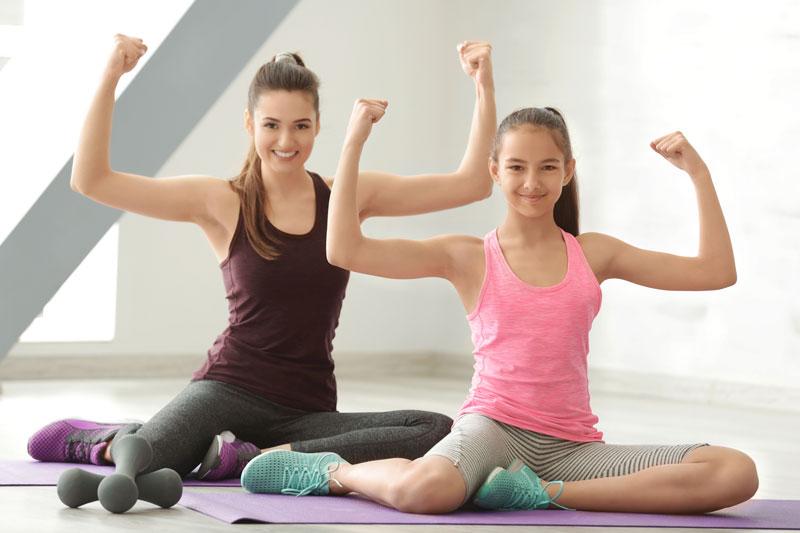
In an age where screens dominate daily life and fast food often trumps home-cooked meals, empowering teens to embrace a healthy lifestyle has never been more crucial. “” invites you on a transformative expedition, one that moves beyond mere physical activity to cultivate resilience, self-esteem, and holistic well-being. This article explores innovative fitness training methods tailored for the younger generation, highlighting the importance of mental, emotional, and social dimensions in the pursuit of health. Join us as we delve into strategies that not only enhance physical fitness but also inspire confidence and foster lasting habits, setting the stage for a lifetime of wellness. It’s time to ignite the passion for movement, to flex not just muscles but also the power of choice, and to embark on a journey that empowers teens to take charge of their destinies—one step at a time.
Table of Contents
- Understanding the Physical and Mental Benefits of Fitness for Teens
- Creating a Balanced Workout Plan Tailored to Teen Needs
- Nutrition Essentials: Fueling the Body for Optimal Performance
- Building a Supportive Community: Encouraging Peer Motivation and Accountability
- Key Takeaways
Understanding the Physical and Mental Benefits of Fitness for Teens
Engaging in regular fitness activities brings a myriad of benefits for teenagers, both physically and mentally. From enhanced cardiovascular health to improved strength and flexibility, physical fitness is crucial during these formative years. Active teens are also less likely to experience obesity, which can lead to other health complications. A few of the standout physical benefits include:
- Increased energy levels for daily activities
- Stronger muscles and bones through resistance training
- Improved coordination and balance from various exercises
- Better posture and reduced risk of injuries
Beyond the physical advantages, fitness plays a pivotal role in fostering mental well-being among teens. As teenagers navigate the complexities of adolescence, exercise provides a powerful outlet for stress and anxiety relief. Additionally, regular physical activity can boost self-esteem and enhance mood through the release of endorphins. Key mental benefits include:
- Reduced symptoms of anxiety and depression
- Enhanced focus and concentration in schoolwork
- Improved sleep quality leading to better recovery
- Stronger friendships forged through teamwork and camaraderie
Creating a Balanced Workout Plan Tailored to Teen Needs
When crafting an effective workout regimen for teenagers, it’s essential to consider their unique developmental needs and interests. A balanced approach encompasses a variety of activities that target different aspects of fitness, such as strength, endurance, flexibility, and coordination. Here are some key components to include:
- Cardiovascular activities: Encourage activities like running, cycling, or swimming to boost heart health and endurance.
- Strength training: Utilize bodyweight exercises like push-ups, squats, and lunges, along with light free weights or resistance bands.
- Flexibility exercises: Incorporate yoga or stretching routines to enhance mobility and prevent injury.
- Fun activities: Make room for sports, dance, or group classes that resonate with their interests for consistency and enjoyment.
Setting achievable goals and gradually increasing intensity can keep teens motivated and engaged. A well-structured plan should include:
| Day | Activity Type | Duration |
|---|---|---|
| Monday | Cardio | 30 minutes |
| Tuesday | Strength Training | 45 minutes |
| Wednesday | Flexibility | 30 minutes |
| Thursday | Sport or Dance | 1 hour |
| Friday | Rest or Light Activity | – |
This approach ensures that teens not only develop a holistic fitness foundation but also cultivate a lifelong affinity for movement.
Nutrition Essentials: Fueling the Body for Optimal Performance
Proper nutrition is the cornerstone of athletic performance, especially for teenagers who are still growing and developing. Whole grains, lean proteins, healthy fats, and a plethora of fruits and vegetables should be the primary focus of their diets. These foods deliver essential nutrients that support energy levels, muscle growth, and recovery. Incorporating a variety of colors on the plate not only makes meals visually appealing but also ensures a broad spectrum of vitamins and minerals. Here are some essential food groups to consider:
- Carbohydrates: Key for energy; include oats, quinoa, and sweet potatoes.
- Proteins: Important for muscle repair; focus on chicken, fish, legumes, and tofu.
- Fats: Vital for hormone production; incorporate avocados, nuts, and olive oil.
- Hydration: Essential for peak performance; encourage water and electrolyte-rich beverages.
Balancing macronutrients based on the intensity of training can significantly enhance performance. For example, teenagers engaging in high-intensity workouts should aim for a higher carbohydrate intake to replenish glycogen stores, while strength training may require a focus on protein. Understanding portion sizes and meal timing is also critical. A simple guide can help young athletes navigate their nutrition:
| Meal Time | Recommended Foods |
|---|---|
| Pre-Workout | Banana, Greek yogurt, and whole-grain toast |
| Post-Workout | Grilled chicken with quinoa and mixed vegetables |
| Daily Snacks | Hummus with carrots, mixed nuts, or a protein smoothie |
Building a Supportive Community: Encouraging Peer Motivation and Accountability
Creating a strong network can profoundly impact a teen’s fitness journey. By fostering a supportive atmosphere, young individuals can share their triumphs and setbacks, thus cultivating a sense of unity. Some excellent practices to establish this include:
- Organizing regular group workouts that promote camaraderie.
- Encouraging teamwork through shared goals and challenges.
- Setting up a peer mentorship system where experienced members guide newcomers.
Accountability becomes a natural outcome of engagement within the community. When teens commit to fitness goals collectively, they are less likely to skip workouts or lose motivation. Incorporating progress tracking can encourage healthy competition. One effective approach is to introduce a leaderboard displaying both personal achievements and group milestones:
| Teen | Workout Days This Month | Personal Best (weights, distance) |
|---|---|---|
| Alice | 12 | Bench Press: 100 lbs |
| Jason | 10 | Run: 5 miles |
| Maria | 15 | Squat: 150 lbs |
Key Takeaways
As we conclude our exploration into the realm of empowering teens through fitness training, it becomes clear that this journey extends well beyond physical transformation. It’s a voyage of self-discovery, resilience, and confidence that shapes not only the body but also the mind. Each workout, each challenge, and each triumph fosters a sense of agency and purpose, enabling young individuals to embrace their strengths and navigate the complexities of adolescence with vigor.
By prioritizing a holistic approach—balanced nutrition, mental fortitude, and supportive environments—teens can craft sustainable habits that lead to lifelong health and wellness. As parents, educators, and mentors, it is essential to create spaces where young people feel inspired and equipped to take charge of their own fitness journeys, free from the pressures of societal standards or unrealistic expectations.
In this ultimate fitness training journey, every step taken is a building block toward greater self-esteem and empowerment. As we encourage our teens to lace up their sneakers and step onto the path of vitality, let us remind them that the most significant victory lies not merely in the outcomes they achieve but in the courage to pursue their aspirations with unwavering determination. Together, we can support a generation that views fitness not as a chore, but as a vibrant expression of their individuality and potential. Here’s to empowering our teens, one workout at a time!