


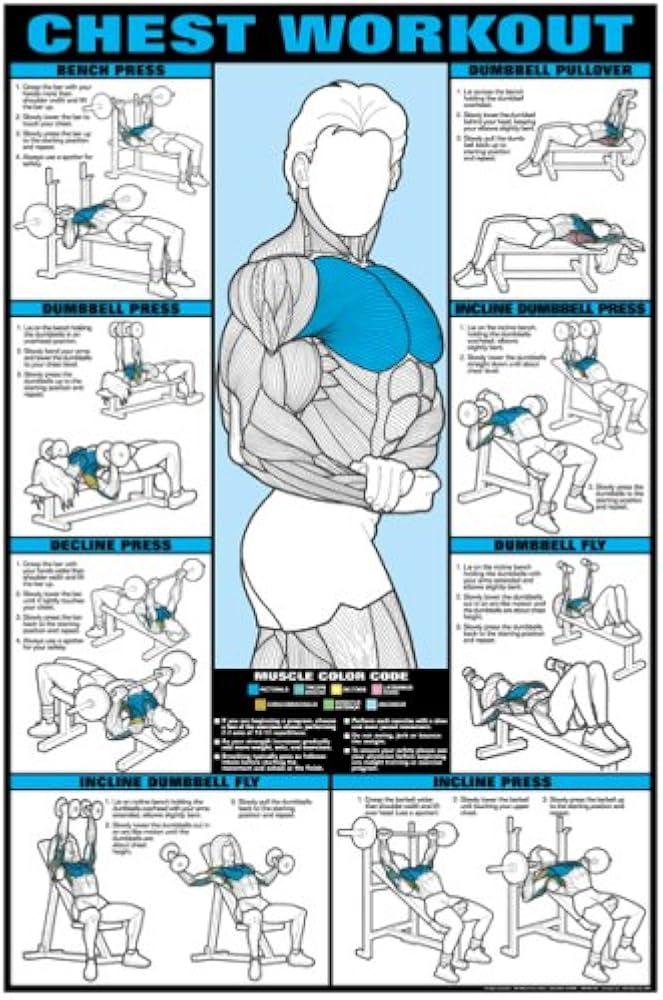
Introduction
Building a strong and well-defined chest is a common goal for fitness enthusiasts and bodybuilders alike. The chest muscles, primarily the pectoralis major and minor, play a crucial role in upper body strength and functionality. Effective training techniques not only enhance muscle growth but also improve overall performance in various physical activities. This article explores a range of effective chest workouts, examining methodologies and exercises designed to maximize gains. By understanding the principles of muscle engagement and recovery, individuals can optimize their workout routines to achieve significant improvements in strength and aesthetics. Whether you are a beginner or a seasoned athlete, this guide aims to provide insight into strategically structuring chest training for optimal results.
Table of Contents
- Understanding Chest Anatomy for Targeted Training
- Essential Techniques for Building Chest Strength
- Incorporating Different Exercise Modalities for Optimal Results
- Creating a Balanced Chest Workout Routine for Sustained Gains
- Insights and Conclusions
Understanding Chest Anatomy for Targeted Training
To achieve optimal results in your chest workouts, it’s essential to grasp the intricate structure of the pectoral muscles. The chest is primarily composed of two major muscle groups: the pectoralis major and the pectoralis minor. The pectoralis major is the larger muscle, with a fan-like shape, spanning across the upper chest. It is responsible for movements such as shoulder flexion, adduction, and inward rotation. In contrast, the pectoralis minor lies beneath the major and plays a significant role in stabilizing the shoulder blade. Understanding these muscles’ locations and functions can significantly enhance your training effectiveness.
Incorporating targeted exercises will ensure you engage both the pectoralis major and minor effectively. Consider the following approaches to optimize your workouts:
- Diverse Angles: Utilize incline, flat, and decline presses to hit different sections of the pectoral major.
- Compound Movements: Exercises like bench press and push-ups are excellent for overall activation.
- Isolation Techniques: Incorporate flys and cable crossovers to focus specifically on muscle fibers.
To visualize the relationships between these exercises and their targeted muscle areas, refer to the table below:
| Exercise | Primary Target | Angle |
|---|---|---|
| Bench Press | Pectoralis Major | Horizontal |
| Incline Dumbbell Press | Upper Pectoralis Major | Incline |
| Decline Bench Press | Lower Pectoralis Major | Decline |
| Cable Flys | Pectoralis Minor | Variable |
Essential Techniques for Building Chest Strength
Building chest strength effectively requires a combination of proper technique, consistent training, and progressive overload. Focus on movements that engage multiple muscle groups, ensuring you’re activating both the pectoral muscles and supporting stabilizers. Incorporate exercises such as bench presses, push-ups, and chest flyes. Pay attention to your form—keep your back flat on the bench, feet planted on the ground, and elbows slightly below shoulder level to maximize muscle engagement while minimizing the risk of injury. Additionally, varying your grip width can target different areas of the chest, adding diversity to your workout routine.
Progressive overload is crucial for muscle growth, so aim to gradually increase weights or repetitions as your strength improves. Consider implementing supersets or drop sets to intensify your workouts; for example, combine a heavy lift with a lighter, higher-rep exercise. Rest sufficiently between sets to maintain performance, but keep your overall workout efficient. To track your progress, maintain a training log that outlines your weights, reps, and sets, which will help you identify when it’s time to advance your training. Here’s a basic training week overview:
| Day | Workout |
|---|---|
| Monday | Bench Press, Incline Dumbbell Press, Push-Ups |
| Wednesday | Chest Flyes, Cable Crossovers, Dips |
| Friday | Decline Bench Press, Medicine Ball Chest Pass, Plate Press |
Incorporating Different Exercise Modalities for Optimal Results
To achieve maximum gains from your chest workouts, it’s essential to incorporate a variety of exercise modalities. Each type of exercise targets the chest muscles differently, ensuring well-rounded development. Resistance training, for instance, can be complemented with bodyweight exercises, adding variety and intensity to your sessions. This combination enhances muscular strength and endurance. For optimal results, consider adding the following modalities to your routine:
- Free Weights: Dumbbells and barbells for bench presses and flyes.
- Machines: Chest press and cable machines for controlled movement.
- Bodyweight: Push-ups and dips for functional strength.
- High-Intensity Interval Training (HIIT): Incorporate explosive movements.
In addition to targeting the chest, integrating flexibility and mobility work can also enhance performance and prevent injuries. Incorporating exercises like dynamic stretches prior to workouts and static stretches afterward can improve range of motion. To provide a clearer understanding, the table below outlines how different modalities contribute to chest training:
| Exercise Modality | Benefits |
|---|---|
| Free Weights | Builds overall strength and stability. |
| Machines | Provides structure and ease of use. |
| Bodyweight | Enhances functional strength and endurance. |
| HIIT | Boosts cardiovascular fitness while building muscle. |
Creating a Balanced Chest Workout Routine for Sustained Gains
To construct a well-rounded chest workout routine, it’s imperative to incorporate a variety of exercises that target different areas of the chest muscle. Focusing solely on the flat bench press may lead to imbalances and limit muscle growth. Instead, aim to include a mix of compound and isolation exercises. Consider the following key components:
- Compound lifts: Flat bench press, incline bench press, and decline bench press.
- Isolation exercises: Dumbbell flyes, cable crossovers, and pec deck machine.
- Varied angles: Target the upper, middle, and lower parts of the chest to ensure comprehensive development.
- Progressive overload: Gradually increase weight or reps to stimulate muscle growth.
In addition to varied exercises, incorporating appropriate rest and recovery is essential for sustainable gains. Muscles need time to repair and grow stronger; thus, consider the following strategies to optimize your routine:
| Strategy | Details |
|---|---|
| Rest days: | Aim for at least 48 hours of recovery for the chest muscles before training them again. |
| Nutrition: | Ensure adequate protein intake to support muscle repair, targeting 1.6 to 2.2 grams per kg of body weight. |
| Sleep: | Prioritize 7-9 hours of quality sleep each night to facilitate recovery and muscle growth. |
Insights and Conclusions
achieving maximum gains from chest workouts requires a combination of effective techniques, proper form, and a tailored approach to individual fitness levels and goals. By incorporating a variety of exercises—such as bench presses, push-ups, and flyes—athletes can target different muscle groups and promote balanced development. Additionally, focusing on progressive overload, adequate recovery, and nutritional support will enhance performance and results. As with any fitness regimen, it is essential to listen to your body and make adjustments as necessary. Informed choices and consistent effort are key to unlocking the full potential of your chest workouts.