


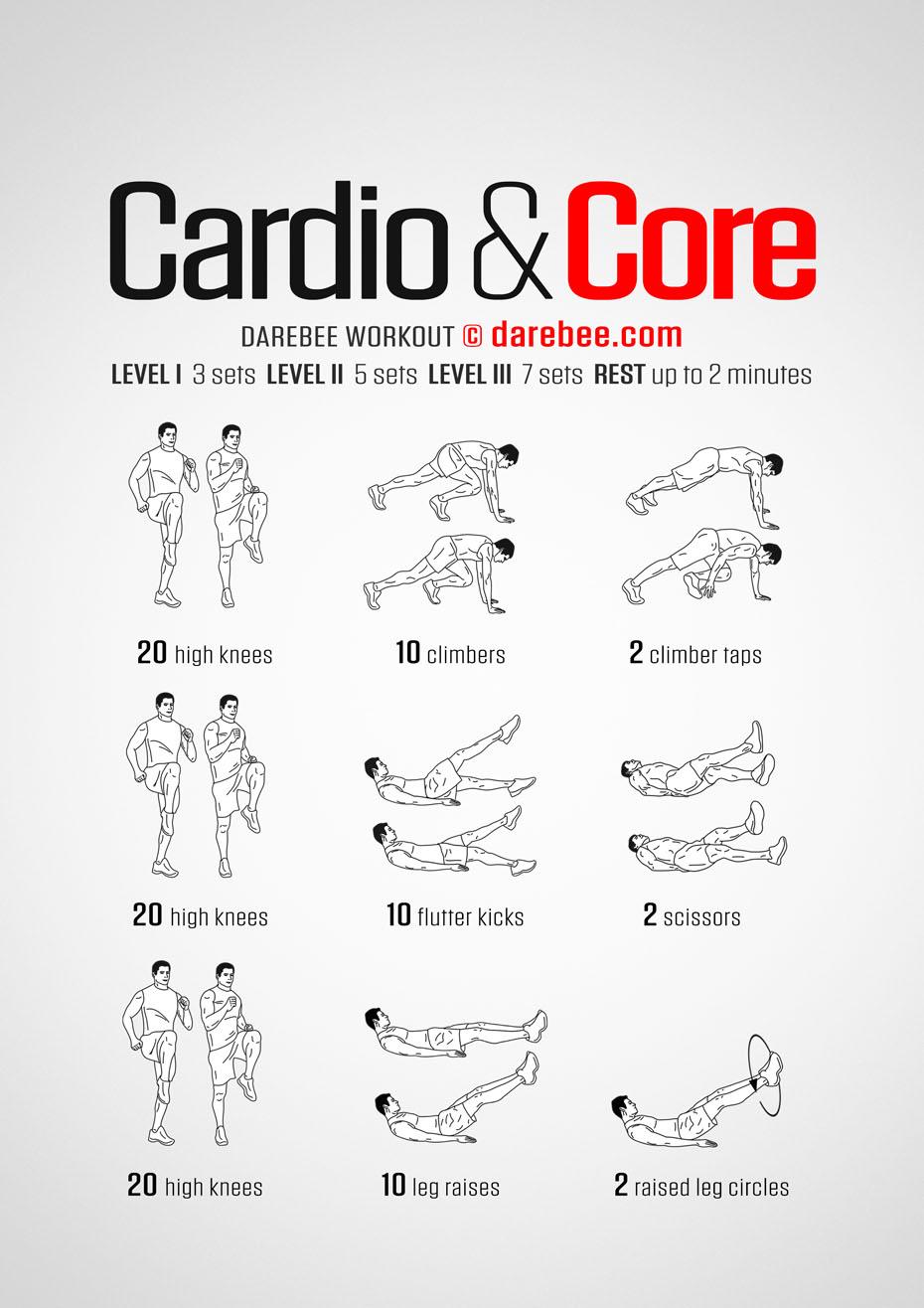
Introduction: Unleashing the Power of Cardio for Weight Loss Success
In a world filled with complex weight loss strategies and ever-evolving fitness trends, one timeless truth remains: cardio is a cornerstone of effective weight management. Whether you’re just beginning your fitness journey or seeking to enhance your existing routine, the rhythm of a good cardio workout can invigorate your body and mind, igniting the flames of transformation. In this guide, we will explore the art and science of cardio workouts, unraveling the keys to optimizing your routine for maximum weight loss success. From understanding the principles behind cardiovascular training to discovering diverse activities that keep you engaged and motivated, this article equips you with the essential knowledge to harness the power of cardio in your quest for a healthier, fitter you. Join us as we embark on a journey to redefine your approach to exercise and unveil the secrets to shedding pounds while building endurance, strength, and confidence along the way.
Table of Contents
- Understanding the Science Behind Cardio Workouts
- Choosing the Right Cardio Exercises for Maximum Impact
- Designing a Sustainable Cardio Routine for Weight Loss
- Incorporating Nutrition to Enhance Your Cardio Results
- Key Takeaways
Understanding the Science Behind Cardio Workouts
Cardio workouts play a vital role in boosting cardiovascular health and enhancing overall fitness levels. These exercises primarily elevate the heart rate, igniting a myriad of physiological changes that aid in weight loss. The science behind this lies in the body’s energy systems; during cardio, the body predominantly utilizes carbohydrates and fat for fuel. As the intensity of the exercise increases, the ratio of energy sourced from fat decreases while carbohydrate utilization rises. This fine balance is crucial for effective weight loss, as creating a calorie deficit ensures that the body will tap into stored fat for energy, leading to the desired outcomes.
Moreover, the metabolic benefits of cardio workouts extend beyond the immediate calorie burn during exercise. Engaging in regular cardiovascular activities enhances the body’s resting metabolic rate, which means more calories are burned, even at rest. Here are some key factors that contribute to the effectiveness of cardio workouts:
- Duration: Longer sessions promote greater fat oxidation.
- Intensity: Higher intensity increases post-exercise oxygen consumption (EPOC), leading to extended calorie burn.
- Variety: Incorporating various cardio styles, like HIIT or steady-state, keeps the body challenged and engaged.
| Exercise Type | Calories Burned (per 30 minutes) | Best Time to Perform |
|---|---|---|
| Running | 300 | Morning |
| Cycling | 250 | Afternoon |
| Swimming | 220 | Evening |
| HIIT | 400 | Anytime |
Choosing the Right Cardio Exercises for Maximum Impact
When it comes to maximizing the impact of your cardio workouts, the key lies in selecting exercises that fit both your fitness level and goals. Some popular options include:
- Running or Jogging: Excellent for burning calories and improving cardiovascular health.
- Cycling: A low-impact alternative that builds leg strength while elevating your heart rate.
- Swimming: Offers a full-body workout that is gentle on the joints.
- High-Intensity Interval Training (HIIT): Alternates between short bursts of intense activity and rest, which can be highly effective for burning fat.
To ensure you’re making the most of your cardio sessions, consider the following factors:
| Exercise | Calories Burned (per 30 min) | Best for |
|---|---|---|
| Running | 300-400 | Weight Loss |
| Cycling | 250-350 | Muscle Toning |
| Swimming | 200-300 | Full Body Strength |
| HIIT | 400-600 | Rapid Weight Loss |
Ultimately, the best cardio exercises are those that you enjoy and can incorporate into your routine consistently. Mixing different types of cardio can also prevent boredom and keep you motivated on your weight loss journey.
Designing a Sustainable Cardio Routine for Weight Loss
Creating an effective cardio routine that contributes to weight loss involves careful consideration of both intensity and duration. To optimize fat burning while ensuring cardiovascular health, it’s important to incorporate a mix of steady-state and high-intensity interval training (HIIT). This varied approach keeps your body guessing and enhances calorie expenditure. A few tips for introducing these elements include:
- Start Small: Begin with 20-30 minutes of moderate cardio like brisk walking or cycling, 3-4 times a week.
- Mix It Up: Alternate between different activities such as swimming, dancing, or running to prevent boredom and target different muscle groups.
- Incorporate HIIT: Integrate short bursts of high-intensity activity (e.g., sprinting for 30 seconds) followed by a recovery period.
Tracking your progress not only helps maintain motivation but also allows you to fine-tune your regimen to best suit your personal goals. To assist with monitoring your routine, consider the following simple table to log workouts and improvements over time:
| Workout Type | Duration (minutes) | Calories Burned | Notes |
|---|---|---|---|
| Walking | 30 | 150 | Steady pace |
| Jogging | 20 | 220 | Increased pace |
| HIIT Cycling | 25 | 300 | High intensity |
Incorporating Nutrition to Enhance Your Cardio Results
To achieve optimal results from your cardio workouts, it’s crucial to integrate a thoughtful nutrition plan that complements your efforts. The right foods can boost your energy levels and improve endurance, allowing you to push through those challenging sessions. Incorporate a variety of nutrient-rich options to fuel your body effectively:
- Complex Carbohydrates: Whole grains, fruits, and vegetables provide lasting energy.
- Lean Proteins: Chicken, fish, and legumes support muscle recovery after workouts.
- Healthy Fats: Avocados, nuts, and seeds provide essential fatty acids for overall health.
- Hydration: Staying well-hydrated enhances performance and aids recovery.
Timing your meals is just as important. Aim to consume a balanced meal or snack about 1-2 hours before exercising and follow up with protein-rich foods post-workout to replenish energy stores. Check out the table below for some effective pre-and post-workout meal options:
| Meal Type | Food Choices | Note |
|---|---|---|
| Pre-Workout | Oatmeal with fruits | Provides sustained energy |
| Pre-Workout | Greek yogurt with honey | Great protein source |
| Post-Workout | Grilled chicken salad | Rich in protein and vitamins |
| Post-Workout | Protein smoothie | Quick and convenient |
Key Takeaways
embarking on your journey toward weight loss success can be both exhilarating and transformative, and effective cardio workouts stand at the forefront of this endeavor. As we’ve explored throughout this guide, integrating various forms of cardiovascular exercise into your routine not only aids in burning calories but also enhances your overall health and well-being. Whether you choose the rhythmic beat of running, the invigorating splash of swimming, or the energetic movement of cycling, each workout is a stepping stone toward your goals.
Remember, the path to effective weight loss isn’t merely about the intensity of your workouts—consistency, enjoyment, and variety play crucial roles in keeping your motivation alive. So, gear up, find what invigorates you, and make every heartbeat count. With dedication and the right approach, you’re well on your way to not just shedding pounds but also fostering habits that contribute to a healthier lifestyle. Here’s to the strides you’ll take, the challenges you’ll overcome, and the victories that await on your journey toward a fitter, happier you.