


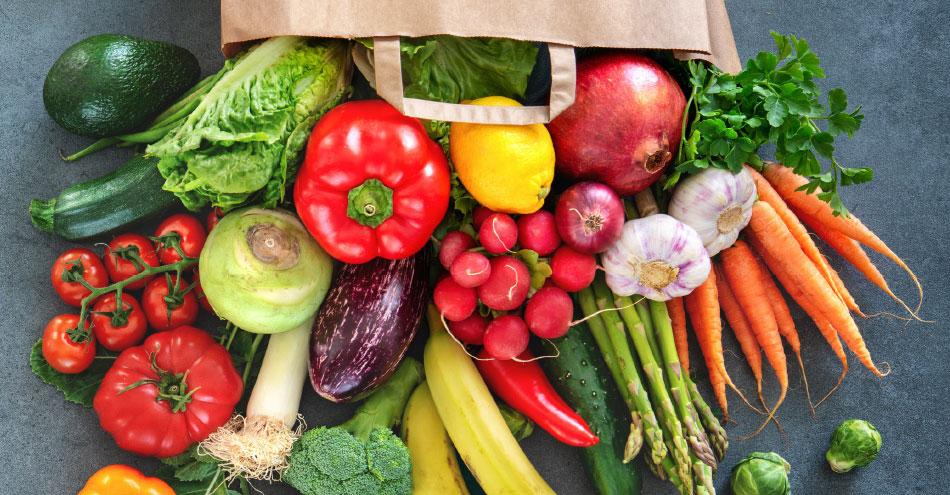
In a world bustling with fast food chains, superfoods, and endless diet trends, the art of eating has often been overshadowed by convenience and fleeting fads. Yet, at its core, nourishment is a delicate dance between choice and awareness, a pathway to vitality that transcends mere sustenance. “” invites you to step back, breathe, and consider the food choices that can elevate your well-being. This guide is not just a compilation of recipes or a rigid set of rules; it is an exploration of the principles that cultivate a mindful relationship with what we consume. From understanding the nutritional value of whole foods to recognizing the rhythms of our own bodies, this journey will empower you to make informed decisions that resonate with your lifestyle and health goals. Embrace the potential of each bite and discover the profound impact of eating wisely—the journey to nourishing your body starts here.
Table of Contents
- Exploring the Foundations of Nutritional Balance
- Decoding Food Labels: Making Informed Choices
- Mindful Eating: Cultivating a Positive Relationship with Food
- Superfoods and Beyond: Enhancing Your Plate with Nutrient Powerhouses
- In Conclusion
Exploring the Foundations of Nutritional Balance
Nutritional balance serves as the cornerstone of a healthy lifestyle and is essential for optimizing bodily functions. Striking the right balance among carbohydrates, proteins, fats, vitamins, and minerals empowers you to create a diet that not only nourishes but also invigorates. It is important to recognize that not all nutrients are created equal; hence, diving into the quality of the foods we consume is vital. A balanced diet typically includes a variety of food groups, ensuring that you’re not just filling your plate but enriching your body. Consider incorporating:
- Whole grains like quinoa and brown rice.
- Lean proteins such as chicken, fish, and legumes.
- Healthy fats found in avocados, nuts, and olive oil.
- A rainbow of fruits and vegetables to maximize vitamins and minerals.
Moreover, understanding the concept of portion control and moderation is equally critical for maintaining nutritional equilibrium. With varied lifestyles and dietary needs, structuring meals around balanced portions can lead to better satiety and energy levels throughout the day. A simple strategy is to visualize your plate with a division of food groups, ensuring a colorful assortment thrives on your dining experience:
| Food Group | Portion Size | Example Foods |
|---|---|---|
| Vegetables | Half your plate | Spinach, carrots, broccoli |
| Protein | One quarter of your plate | Tofu, eggs, turkey |
| Whole Grains | One quarter of your plate | Oats, whole wheat bread |
| Fruits | Daily servings | Berries, apples, oranges |
Decoding Food Labels: Making Informed Choices
Understanding food labels is essential for anyone looking to make healthier eating choices. Food labels are more than just guidelines; they are your roadmap to nutritious eating. Begin by checking the serving size, which can dramatically affect the number of calories and nutrients you consume. Don’t let marketing buzzwords like “low-fat” or “gluten-free” sway you too easily; always delve deeper. Pay attention to the ingredients list, where the first few items usually represent the bulk of the product. Aim for foods with fewer ingredients, ideally whole foods that you can recognize, as this typically indicates greater nutritional value.
Another critical aspect of food labels is the nutrition facts panel. Here you’ll find essential information about calories, fats, sugars, and micronutrients. Consider these pointers when analyzing the panel:
- Look for fiber content: A higher fiber count helps with digestion and keeps you fuller longer.
- Limit added sugars: Aim for products with low or no added sugars to avoid empty calories.
- Monitor sodium levels: Keeping sodium in check can support heart health.
For quick reference, here’s a simple guide to some common nutrients found on food labels:
| Nutrient | Recommended Daily Value |
|---|---|
| Dietary Fiber | 25g |
| Sugars | Max 25g |
| Sodium | 2,300mg |
Mindful Eating: Cultivating a Positive Relationship with Food
In our fast-paced world, it’s easy to lose connection with the food we eat. Mindful eating is an approach that encourages us to engage fully with our meals, fostering a sense of appreciation and awareness. By paying attention to the experience of eating, including the taste, texture, and aroma of our food, we can develop a deeper appreciation for the nourishment it provides. This practice involves:
- Slowing Down: Take the time to savor each bite rather than rushing through your meal.
- Listening to Your Body: Learn to recognize hunger and fullness cues to help guide your eating choices.
- Choosing Quality: Opt for nutrient-dense foods that fuel your body and enhance your well-being.
Creating a positive relationship with food goes beyond just what we eat; it’s also about how we think about food. By replacing guilt and stigma with understanding and compassion, we can shift our mindset towards a more nourishing approach. Here are some strategies to consider:
| Mindset Shift | Action Steps |
|---|---|
| From restriction to balance | Incorporate a variety of foods rather than eliminating options. |
| From guilt to enjoyment | Identify moments of joy in the process of cooking and sharing meals. |
| From mindlessness to mindfulness | Practice gratitude for the food and the effort it takes to bring it to your plate. |
Superfoods and Beyond: Enhancing Your Plate with Nutrient Powerhouses
Incorporating superfoods into your daily meals can elevate your health and satisfaction on the plate. These nutrient-dense options are packed with vitamins, minerals, and antioxidants that support well-being and vitality. Consider adding some of these culinary powerhouses to your diet:
- Quinoa: A complete protein source and perfect grain substitute.
- Blueberries: Antioxidant rich and excellent for brain health.
- Chia seeds: High in omega-3s and fantastic for digestive health.
- Kale: A leafy green teeming with vitamins A, C, and K.
- Salmon: Loaded with omega-3 fatty acids for heart health.
Beyond these celebrated superfoods, a balanced diet can be enhanced with diverse food choices that not only boost nutrition but also tantalize the taste buds. Aim for a colorful plate to ensure you’re getting a variety of nutrients. Below is a simple table illustrating how different colors in your fruits and vegetables can benefit your health:
| Color | Nutrients | Health Benefits |
|---|---|---|
| Red | Lyocopene, Vitamin C | Heart health, cancer prevention |
| Green | Folate, Iron | Detox, improved blood circulation |
| Yellow/Orange | Beta-carotene, Vitamin C | Healthy vision, immune support |
| Blue/Purple | Anthocyanins | Anti-inflammatory, improved memory |
In Conclusion
As we conclude our exploration of smart eating, we hope you’ve discovered that nourishing your body wisely is both an art and a science. It goes beyond the confines of what’s on your plate; it encompasses a holistic understanding of your body’s unique needs, the rhythms of nature, and the cultural narratives that shape our food choices.
By embracing a mindful approach to nutrition, you can foster a deeper connection with your body and cultivate habits that nourish not just your physical self, but also your mental and emotional well-being. Remember, the journey to smart eating is not about perfection; it’s about balance, curiosity, and making informed choices that resonate with your lifestyle.
As you embark on your own smart eating adventure, consider each meal an opportunity to celebrate the myriad flavors and textures that life has to offer. With each bite, you’re not only feeding your body but also nurturing your spirit. May your path be filled with delicious discoveries, and may you find joy in every nourishing morsel. Here’s to a healthier, smarter way of eating!