


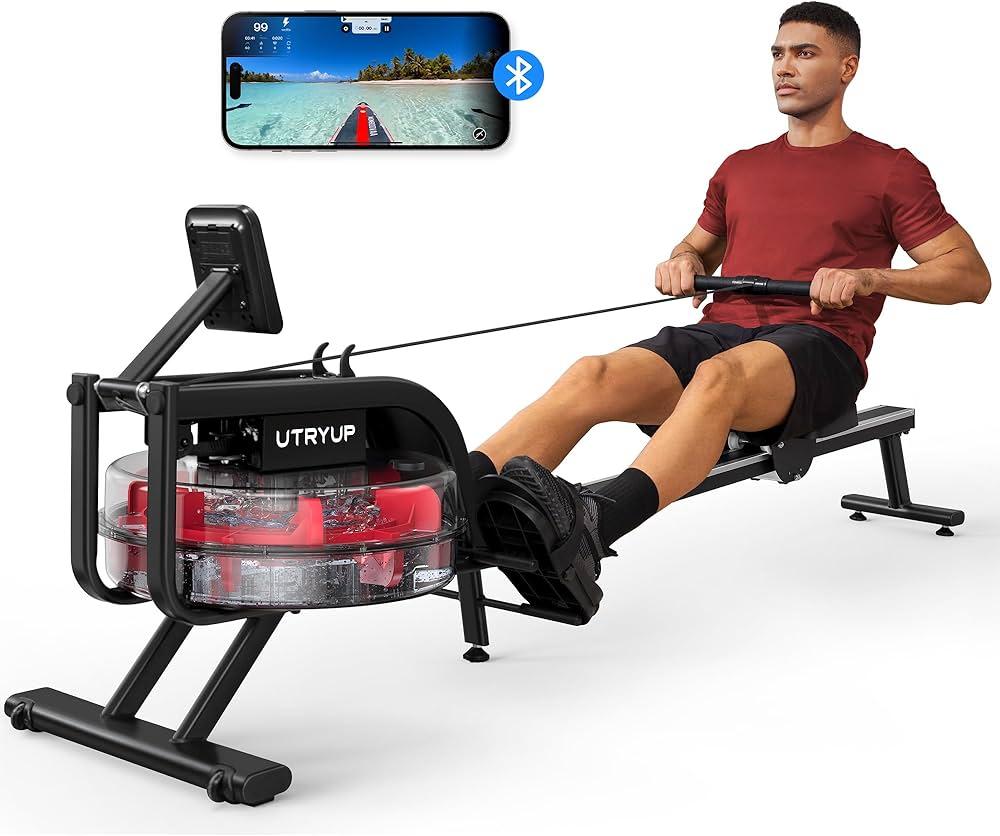
In the realm of fitness, few exercises offer the comprehensive benefits of rowing, where each stroke propels not just the body but also the spirit toward excellence. The rowing machine, often relegated to the corners of gyms, is a hidden gem, capable of transforming workouts into powerful journeys of endurance, strength, and skill. Whether you’re a seasoned athlete seeking to refine your technique or a novice eager to dip your oars into the waters of fitness, mastering the rowing machine can unlock new levels of performance and personal achievement. Join us as we navigate the essentials of rowing machine mastery, illuminating the techniques, strategies, and insights that will guide you on your path to peak performance. It’s time to row your way to a stronger, fitter you.
Table of Contents
- Understanding the Mechanics of Rowing for Optimal Efficiency
- Building Endurance: Tailored Workouts for Maximum Speed
- Mastering Technique: Key Tips for Form and Power
- Monitoring Progress: Metrics and Goal Setting for Continuous Improvement
- Closing Remarks
Understanding the Mechanics of Rowing for Optimal Efficiency
To achieve peak performance on the rowing machine, mastering the intricacies of body mechanics is essential. Every stroke should begin with a strong and stable foundation, ensuring the legs initiate the motion. Pay attention to the sequence of your movements: the drive phase should engage the legs first, followed by the back and arms in a fluid motion. This method promotes optimal power transfer and reduces the risk of injury. Key elements to focus on include:
- Posture: Maintain a straight back and engaged core throughout the stroke.
- Foot Placement: Ensure your feet are securely strapped in to maximize control.
- Breath Control: Timing your breathing with your strokes enhances endurance.
Once you’ve established the proper technique, consider the importance of rhythm and pacing. Strive for a consistent stroke rate that matches your fitness level and goals. A well-executed stroke not only increases efficiency but also conserves energy over longer sessions. Here’s a simple table illustrating various stroke rates and their corresponding benefits:
| Stroke Rate | Benefit |
|---|---|
| 18-22 strokes per minute | Endurance focus, suitable for longer workouts |
| 23-26 strokes per minute | Balanced intensity for aerobic and anaerobic benefits |
| 27+ strokes per minute | Optimal for sprint training and explosive power |
Building Endurance: Tailored Workouts for Maximum Speed
To effectively build endurance on the rowing machine, your workouts should incorporate a blend of structured intervals and steady-state sessions. Focus on a variety of paces, allowing your body to adapt and develop the necessary stamina for maximum performance on the water. Consider incorporating the following elements into your routine:
- Interval Training: Alternate between high-intensity bursts (30-60 seconds) followed by longer recovery periods (1-2 minutes).
- Steady-State Rows: Maintain a consistent, moderate pace for longer distances (20-40 minutes) to build aerobic endurance.
- Mixed Workouts: Combine both intervals and steady rowing in a single session for variety and increased challenge.
This variety will not only keep your training engaging but also target different muscle groups and energy systems. Implementing a structured plan can guide your progress and helps in tracking improvements over time. Below is a simple progression table you can follow for your rowing sessions:
| Week | Interval Duration | Steady-State Duration |
|---|---|---|
| 1 | 30 seconds on, 2 minutes off | 20 minutes |
| 2 | 45 seconds on, 1.5 minutes off | 25 minutes |
| 3 | 1 minute on, 1 minute off | 30 minutes |
| 4 | 1 minute on, 30 seconds off | 35 minutes |
Mastering Technique: Key Tips for Form and Power
To achieve optimal performance on the rowing machine, mastering your form is crucial. Begin by focusing on body alignment; your back should remain straight and your core engaged throughout the stroke. Ensure that your arms are fully extended at the catch position and that your knees are not flaring outwards. A perfect rowing stroke is characterized by four fundamental positions: the catch, drive, finish, and recovery. Pay attention to the sequence in which you move; legs should initiate the drive, followed by the upper body and arms. This coordinated flow not only maximizes power but also minimizes the risk of injury.
In addition to form, developing power requires attention to the release timing and stroke length. Strive for a powerful drive while maintaining a smooth transition into the recovery phase, allowing for full boat glide. Train your legs to produce force efficiently by focusing on pushing through your heels, which helps activate the larger muscle groups in your legs and back. Incorporating consistent rhythm and breathing also plays a vital role in sustaining energy levels during lengthy workouts. Review your progress regularly; using a monitor to track split times can provide insights into areas needing improvement. Here’s a quick reference for effective rowing stroke elements:
| Element | Key Focus |
|---|---|
| Catch | Body alignment; arms extended; knees flexed. |
| Drive | Leg push; engage back and arms. |
| Finish | Full extension; elbows tucked. |
| Recovery | Control; prepare for next catch. |
Monitoring Progress: Metrics and Goal Setting for Continuous Improvement
Achieving mastery on the rowing machine requires more than just effort; it demands a strategic approach to monitoring progress through specific metrics and goal setting. To enhance your training regimen, focus on these key performance indicators:
- Stroke Rate: Aim for a consistent and optimal stroke rate that matches your fitness goals.
- Total Distance: Track the total distance rowed during each session to measure endurance improvements.
- Split Times: Analyze your split times to assess speed over various distances.
- Power Output: Monitor your wattage to gauge the efficiency and intensity of your workouts.
Setting realistic yet challenging goals is essential for fostering continuous improvement. Utilize the SMART criteria—Specific, Measurable, Achievable, Relevant, and Time-bound—to create effective objectives. For instance, instead of just aiming to row for longer durations, a goal could be to increase your distance by 5% within the next month. Below is a simple table you can use to keep track of your goals and progress:
| Goal | Current Measure | Target Measure | Deadline |
|---|---|---|---|
| Improve Stroke Rate | 26 SPM | 30 SPM | 4 Weeks |
| Increase Distance | 5000m | 5250m | 4 Weeks |
| Reduce Split Time | 2:05/500m | 2:00/500m | 4 Weeks |
Closing Remarks
As we conclude our exploration of rowing machine mastery, it’s clear that the journey toward peak performance is as much about the mind as it is about the body. Whether you’re a seasoned athlete or a novice just dipping your oars into the water, embracing the principles outlined in this article can transform your training routine into a powerful tool for personal growth and fitness. Remember, each stroke is not just a physical movement but a melody of effort and determination, propelling you toward your goals. With practice, patience, and perseverance, you’re not merely building strength but also cultivating resilience and grace in every row. So, step onto that machine, set your intentions, and embark on your unique path to mastery. The water awaits—let’s make waves together.