


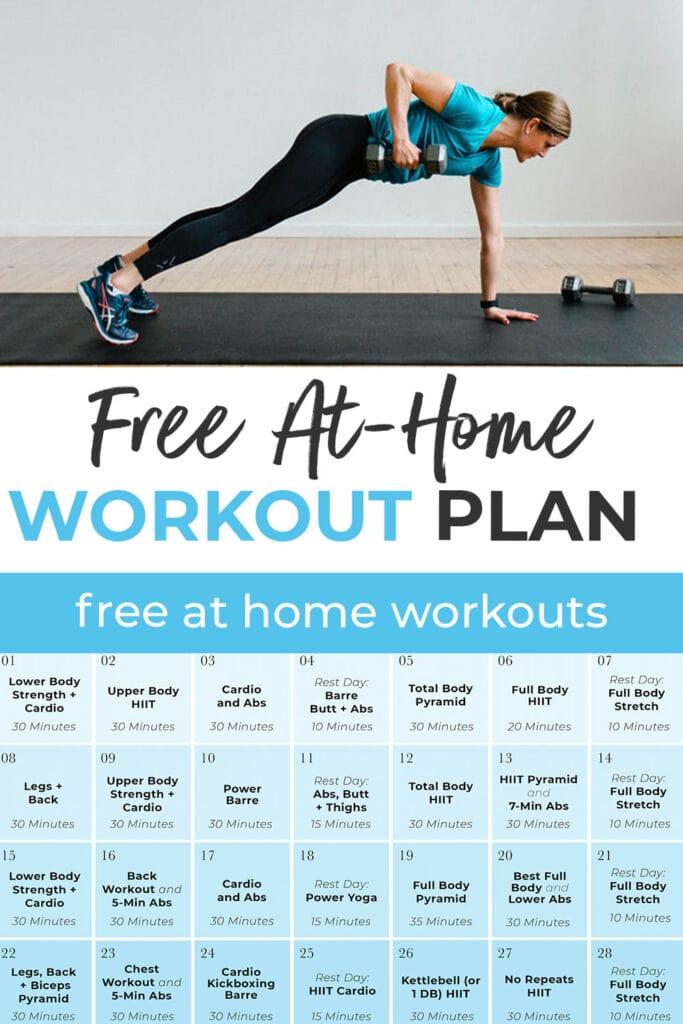
In today’s fast-paced world, where balancing work, family, and fitness often feels like an uphill battle, home workouts have surged in popularity. While it’s easy to find motivation to get moving in the comfort of your living room, one crucial factor often gets overlooked—nutrition. The truth is, what you fuel your body with can significantly impact your workout performance and recovery. Whether you’re following an online yoga class, lifting weights in your garage, or embracing high-intensity interval training (HIIT) in your dining room, the right nutritional choices can help you reach your fitness goals faster and more effectively. In this article, we’ll explore top nutrition tips tailored for home workouts that will not only enhance your exercise routine but also promote overall health and well-being. Get ready to transform not just your workout regimen, but your approach to food, fueling your body for optimal performance!
Table of Contents
- Understanding Macronutrients for Optimal Performance
- Hydration Strategies to Boost Exercise Efficiency
- Pre-Workout Nutrition to Fuel Your Home Sessions
- Post-Workout Recovery: Eating Right for Maximum Gains
- Concluding Remarks
Understanding Macronutrients for Optimal Performance
When it comes to maximizing your performance during home workouts, understanding the role of macronutrients—proteins, carbohydrates, and fats—is essential. Each macronutrient plays a unique role in fueling your body and supporting recovery, which can ultimately enhance your workout results. Proteins are critical for muscle repair and growth; including quality sources like chicken, fish, beans, and legumes can help you build and maintain muscle mass. Carbohydrates serve as your primary energy source. Opt for complex carbs such as whole grains, fruits, and vegetables to sustain energy levels throughout your workout. Lastly, don’t overlook fats; incorporating healthy fats from sources like avocados, nuts, and olive oil supports cellular function and hormone production.
To take your performance to the next level, consider the following tips on how to appropriately balance your intake of macronutrients:
- Pre-Workout: Aim for a meal rich in carbohydrates and moderate in protein 1-3 hours before exercising to ensure optimal energy.
- Post-Workout: Focus on a protein-rich meal combined with carbohydrates that aids muscle recovery within 30 minutes to 2 hours post-exercise.
- Stay Hydrated: Water is also a crucial component; ensure you are hydrating adequately, especially before and after workouts.
Here’s a sample macronutrient breakdown for quick reference:
| Food Item | Protein (g) | Carbohydrates (g) | Fat (g) |
|---|---|---|---|
| Grilled Chicken (100g) | 31 | 0 | 3.6 |
| Quinoa (cooked, 1 cup) | 8 | 39 | 3.55 |
| Almonds (28g) | 6 | 6 | 14 |
Hydration Strategies to Boost Exercise Efficiency
Staying adequately hydrated is crucial for maximizing your performance during home workouts. Water not only regulates body temperature but also aids in the transportation of nutrients to your muscles. To ensure you’re hydrating effectively, consider these strategies:
- Pre-Hydrate: Drink water at least 30 minutes before your workout to optimize your body’s hydration levels.
- Sip Throughout: Keep a water bottle close during your exercise session and take small sips regularly rather than gulping down large amounts at once.
- Post-Workout Recovery: After your workout, replenish lost fluids and electrolytes by drinking water or a sports drink that matches your activity intensity.
To understand how hydration can directly impact different types of workouts, refer to the following table that summarizes the recommended fluid intake for various exercise durations:
| Workout Duration | Recommended Water Intake |
|---|---|
| Less than 30 minutes | 8-10 ounces |
| 30 to 60 minutes | 10-20 ounces |
| More than 60 minutes | 20-40 ounces (with electrolytes) |
By following these hydration guidelines, you can enhance your overall workout efficiency and feel energized, which in turn can significantly improve your results from home training sessions.
Pre-Workout Nutrition to Fuel Your Home Sessions
To maximize your home workouts, focusing on what you consume before exercising is crucial. Aim to eat a combination of carbohydrates and protein about 30 to 60 minutes prior to your session. Carbohydrates will provide the necessary energy, while protein supports muscle repair and growth. Here are some effective options for pre-workout snacks:
- Banana with nut butter: Offers quick carbs along with healthy fats and protein.
- Greek yogurt with berries: A great source of protein mixed with antioxidants.
- Oatmeal with honey: Complex carbs for sustained energy and natural sweetness.
- Protein smoothie: Blend your favorite fruit with protein powder and almond milk for a refreshing drink.
Timing and portion sizes are also key to optimizing your performance. Generally, your pre-workout meal should be light yet satisfying. Aiming for around 200-300 calories should suffice, but adjust based on your body’s feedback and the intensity of your workout. Below is a quick reference table to help you decide:
| Food Option | Calories | Carbohydrates (g) | Protein (g) |
|---|---|---|---|
| Banana with 1 tbsp nut butter | 200 | 27 | 4 |
| 1 cup Greek yogurt with ½ cup berries | 150 | 20 | 15 |
| ½ cup oatmeal with 1 tbsp honey | 200 | 35 | 6 |
| Protein smoothie (1 cup fruit + protein powder) | 250 | 35 | 20 |
Post-Workout Recovery: Eating Right for Maximum Gains
After an intense home workout, your body enters a recovery phase where it’s crucial to replenish what you’ve lost and build muscle. Eating the right nutrients post-workout helps accelerate recovery, reduce muscle soreness, and optimize performance for the next session. Focus on meals that combine high-quality protein and complex carbohydrates to kickstart muscle repair and replenish glycogen stores. Some excellent options include:
- Grilled chicken with quinoa
- Greek yogurt topped with fruits.
- Protein smoothie with spinach, banana, and almond milk.
Additionally, hydration plays a pivotal role in recovery. Dehydration can hinder muscle repair and increase fatigue, so make sure to drink sufficient fluids after your workout. Consider incorporating electrolyte-rich beverages, especially after prolonged exercise. A simple way to structure your post-workout meal is to adhere to a 1:3 protein-to-carb ratio. The following table outlines some popular food combinations that meet these criteria:
| Food Pairing | Protein (g) | Carbs (g) |
|---|---|---|
| Turkey sandwich on whole grain bread | 30 | 90 |
| Cottage cheese with pineapple | 25 | 35 |
| Salmon with sweet potato | 40 | 50 |
Concluding Remarks
optimizing your nutrition is a vital cornerstone of achieving success in your home workouts. By focusing on a balanced diet rich in whole foods, proper hydration, and strategic meal timing, you can fuel your performance and enhance recovery. Remember, the journey to fitness is not just about breaking a sweat but also about nourishing your body adequately to support those efforts.
Incorporating these top nutrition tips into your routine can help you feel energized, maintain motivation, and reach your fitness goals more effectively. Whether you’re a seasoned athlete or just starting your fitness journey, taking the time to prioritize your nutrition will undoubtedly pay off. So, as you lace up your workout shoes, don’t forget to plan your meals and snacks—that’s where the real magic happens!
Thank you for joining us on this exploration of nutrition’s role in home workouts. We hope you find these tips helpful and empowering as you continue to cultivate a healthier, more active lifestyle. Stay tuned for more insights and strategies to keep you on the path to wellness!