


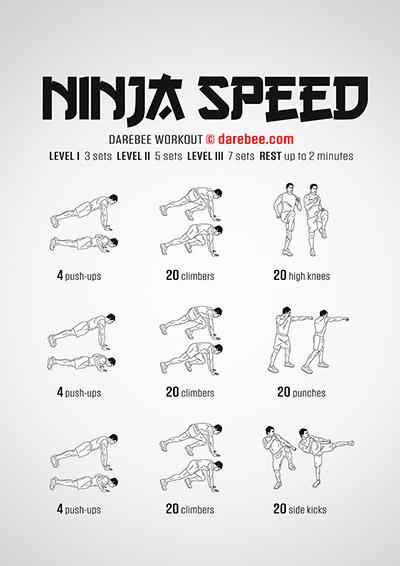
Karate, a traditional martial art with roots in Japan, has evolved into a global practice that appeals to individuals of varying ages and skill levels. Effective karate workouts not only enhance physical fitness and flexibility but also promote discipline, confidence, and mental focus. This article aims to explore a range of karate techniques and workout strategies suitable for practitioners from beginners to advanced levels. By outlining specific drills, exercises, and training methods, we will provide a comprehensive guide for enhancing skills, improving technique, and achieving overall fitness through karate. Whether you are a novice looking to start your journey or an experienced martial artist seeking to refine your craft, this resource will offer valuable insights into effective karate training.
Table of Contents
- Choosing the Right Karate Techniques for Your Skill Level
- Fundamental Training Drills to Enhance Your Technique
- Incorporating Strength and Conditioning into Karate Workouts
- The Importance of Flexibility and Recovery in Karate Training
- To Conclude
Choosing the Right Karate Techniques for Your Skill Level
When selecting techniques in karate, it’s crucial to consider your current skill level to ensure effective and safe practice. Beginners should focus on mastering the fundamentals, including basic stances, punches, and kicks. These foundational techniques lay the groundwork for more advanced skills. As a beginner, prioritize the following:
- Stances: Develop stability and balance with basic stances like Zenkutsu dachi (front stance) and Kokutsu dachi (back stance).
- Punches: Start with straightforward punches such as Gyaku-zuki (reverse punch) and Oi-zuki (lunge punch).
- Kicks: Work on front kicks (Mae geri) and side kicks (Yoko geri), as they enhance your mobility and control.
As practitioners progress to the intermediate and advanced levels, the focus can shift to refining techniques and integrating combinations. Intermediate practitioners might explore the power behind techniques like Mawashi geri (roundhouse kick) and Ura-zuki (back fist), while more advanced students can experiment with complex combinations and dynamic movements. A helpful way to categorize techniques based on skill level is as follows:
| Skill Level | Recommended Techniques |
|---|---|
| Beginner | Basic stances, Gyaku-zuki, Mae geri |
| Intermediate | Mawashi geri, Ura-zuki, Combination drills |
| Advanced | Advanced katas, Sparring tactics, Dynamic footwork |
Fundamental Training Drills to Enhance Your Technique
Incorporating basic training drills into your routine can significantly improve your overall technique in karate. Structured practice helps to build muscle memory and promote effective execution of moves. Stance drills are fundamental; focusing on the various stances such as zenkutsu-dachi (front stance) and kokutsu-dachi (back stance) allows practitioners to maintain balance and readiness. Kicking drills are equally essential; practicing mawashi geri (roundhouse kicks), front kicks, and side kicks can enhance speed and precision. A few effective drills include:
- Shadow Karate—Practicing techniques in front of a mirror to assess body alignment.
- Pyramids of Kicks—Performing a sequence of kicks in increasing intensity and height.
- Partner Drills—Engaging with a partner for two-person kata to improve timing and distance.
Moreover, implementing kata practice into your routine aids in mastering technique. Different katas emphasize specific movements that allow practitioners to refine their form and rhythm. Additionally, sparring drills—if supervised—can provide invaluable experience in applying techniques under pressure. A simplified structure for practicing both kata and sparring can be laid out as follows:
| Kata Practice | Sparring Practice |
|---|---|
| Focus on precision and technique | Work on distance and timing |
| Break down difficult sections | Incorporate defensive maneuvers |
| Repetition for muscle memory | Evaluate and adjust strategy |
Incorporating Strength and Conditioning into Karate Workouts
Integrating strength and conditioning into karate workouts not only enhances physical performance but also contributes to injury prevention and long-term sustainability in training. By focusing on building core strength, flexibility, and explosive power, martial artists can develop the attributes necessary for executing techniques with precision and confidence. Consider incorporating the following exercises into your routine:
- Bodyweight exercises: Push-ups, pull-ups, and squats
- Plyometric training: Box jumps and explosive lunges
- Core stability: Planks and medicine ball workouts
- Flexibility routines: Dynamic stretches and yoga sessions
To maximize the benefits of strength training, consider employing a structured program that addresses specific karate movements. Below is a sample training table that highlights an effective weekly routine:
| Day | Strength Focus | Conditioning Activity |
|---|---|---|
| Monday | Upper Body Strength | Interval Running |
| Wednesday | Lower Body Strength | Agility Drills |
| Friday | Core Strength | Mixed Cardio |
By combining targeted strength exercises with karate-specific conditioning, practitioners can fundamentally enhance their martial skill set. This approach not only improves power and endurance but also aids in mastering complex movements more effectively. Regularly updating your training regimen will ensure continuous growth and adaptation in your karate practice.
The Importance of Flexibility and Recovery in Karate Training
Flexibility and recovery are crucial components of any well-rounded karate training regimen. Improved flexibility not only enhances your range of motion but also reduces the risk of injuries, allowing for more dynamic movements during sparring and kata. Incorporating a variety of stretching techniques, such as static, dynamic, and PNF (proprioceptive neuromuscular facilitation), can help you achieve optimal flexibility over time. Consider the following approaches to bolster your flexibility:
- Static Stretching: Holding a stretch for 15-30 seconds post-training to improve flexibility.
- Dynamic Stretching: Engaging in movement-based stretches before workouts to warm up muscles.
- PNF Stretching: Partner-assisted stretches that promote relaxation and greater muscle lengthening.
Recovery is equally important in maintaining performance and preventing burnout. Adequate rest allows the body to repair and strengthen muscles, ensuring consistent progress in your karate skills. Recovery techniques can range from simple practices such as proper hydration and nutrition to more advanced methods like active recovery workouts and foam rolling. Embracing a holistic approach to recovery can significantly improve training outcomes:
- Active Recovery: Light activities, such as walking or swimming, to keep the body moving without strain.
- Hydration and Nutrition: Focusing on balanced meals and fluid intake to replenish energy stores.
- Massage and Foam Rolling: Techniques to alleviate muscle soreness and promote relaxation.
To Conclude
effective karate workouts offer a structured approach to improving physical fitness, martial arts techniques, and mental discipline, regardless of your skill level. By incorporating a variety of drills, forms, and sparring practices, practitioners can tailor their training to meet individual goals and capabilities. Whether you are a seasoned karateka or a beginner just starting your journey, the techniques outlined in this article provide a comprehensive framework for achieving progress and maintaining motivation. Ultimately, consistency and dedication to training will be key in reaping the benefits of karate as a martial art and a fitness regimen. As with any physical activity, it is advisable to seek guidance from qualified instructors to ensure proper technique and safety.