


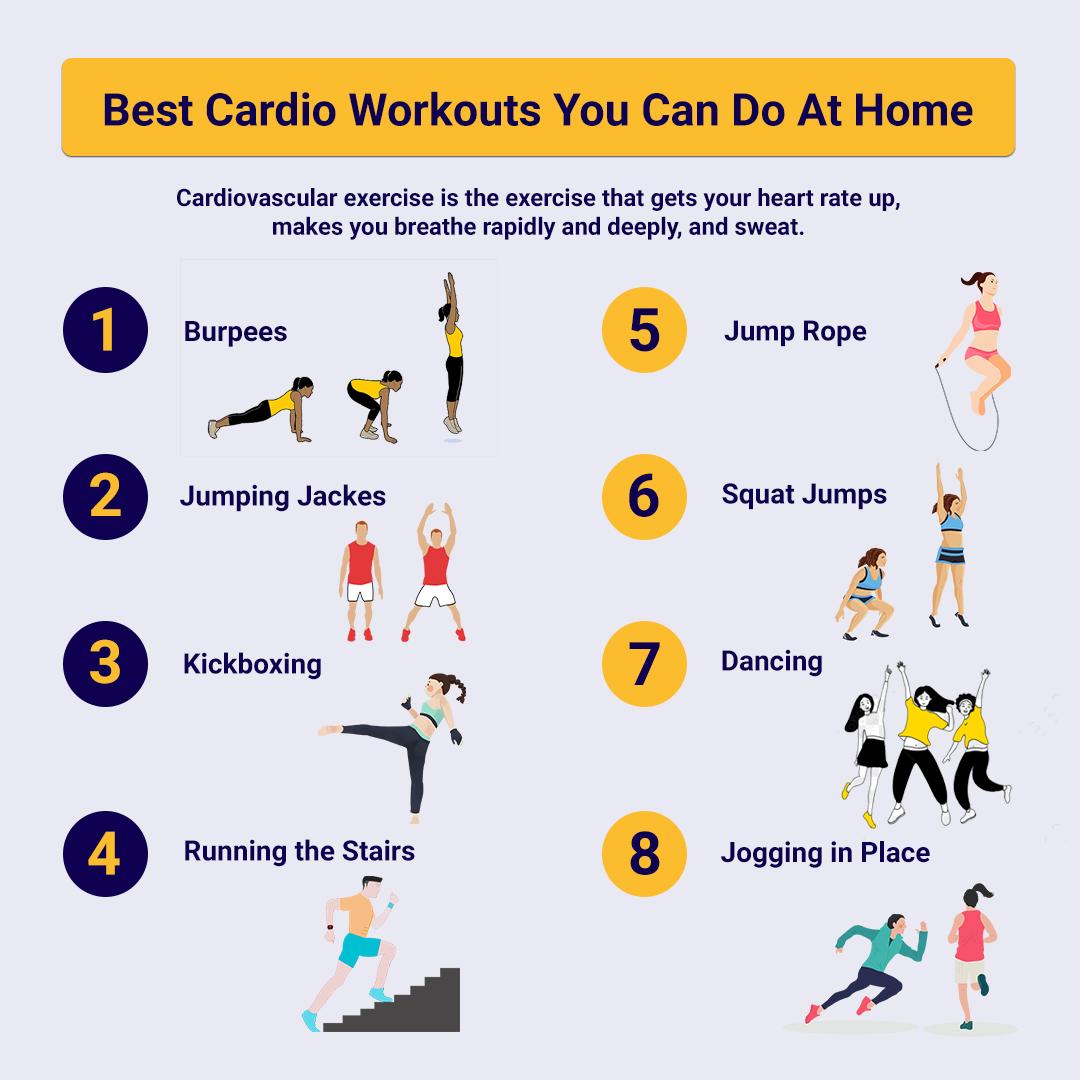
In the ever-evolving world of fitness, cardio often emerges as the unsung hero, quietly wielding the power to transform our physical capabilities. While strength training captures the spotlight with its chiseled muscles and impressive lifts, cardio serves as the backbone of endurance, resilience, and overall health. Whether you’re an aspiring athlete looking to enhance your performance or simply seeking to improve your daily stamina, mastering cardio is essential to unlocking your full potential. This guide will navigate you through the intricacies of cardiovascular training, offering practical tips, effective strategies, and the science behind building endurance. Together, we will explore how to make your heart work smarter, allowing you to not only extend your workout capacity but also embrace a lifestyle brimming with energy and vitality. Prepare to step onto the path of endurance mastery, where every breath taken brings you closer to your fitness goals.
Table of Contents
- Understanding the Science of Endurance and Its Impact on Performance
- Choosing the Right Cardiovascular Activities for Maximum Results
- Strategies for Gradually Increasing Intensity and Duration
- Incorporating Recovery Techniques to Enhance Your Endurance Progress
- The Way Forward
Understanding the Science of Endurance and Its Impact on Performance
Endurance is a fascinating interplay of physiological processes that allows athletes to perform sustained activities over extended periods. At its core, endurance training enhances the body’s ability to utilize oxygen efficiently while expelling carbon dioxide, thereby improving athletic performance. This optimization occurs through adaptations in various systems, including muscular, cardiovascular, and respiratory. Key adaptations involve an increase in the number of mitochondria in muscle cells, which facilitates greater energy production, and an improved ability for the heart to pump blood, delivering vital nutrients to working muscles. As athletes push their limits, the body learns to manage lactic acid more effectively, enabling longer durations of intense exercise without succumbing to fatigue.
Understanding the impact of endurance on performance goes beyond simply increasing the hours spent training. It involves a focused approach that incorporates a variety of components: training intensity, duration, and recovery periods. Balancing these elements assures not just improved endurance but also decreases the risk of injury and burnout. Below is a summary of crucial training aspects:
| Training Aspect | Description |
|---|---|
| Intensity | Gradually increase exercise intensity to optimize heart rate zones. |
| Duration | Implement longer sessions to build stamina gradually. |
| Recovery | Ensure adequate rest to allow muscle repair and growth. |
Choosing the Right Cardiovascular Activities for Maximum Results
When it comes to cardiovascular activities, variety is key to not only achieving maximum results but also keeping your routine engaging. Consider incorporating a mix of moderate and high-intensity workouts to challenge your body in different ways. Popular options include:
- Running or Jogging - Excellent for building endurance and burning calories.
- Cycling - A low-impact alternative that enhances leg strength and stamina.
- Swimming – Full-body workout that is gentle on the joints.
- HIIT (High-Intensity Interval Training) – Boosts metabolism and cardiovascular health in shorter time frames.
To optimize your training, consider setting specific goals that align with your fitness level and interests. A well-structured cardiovascular program may include:
| Activity | Duration per Week | Benefits |
|---|---|---|
| Running | 3-4 sessions of 30-60 mins | Improves heart health, boosts mood |
| Cycling | 2-3 sessions of 40-50 mins | Enhances leg strength, burns calories |
| Swimming | 2-3 sessions of 30-45 mins | Whole body workout, protects joints |
| HIIT | 1-2 sessions of 20-30 mins | Increases metabolism, saves time |
Strategies for Gradually Increasing Intensity and Duration
Building endurance is a journey that requires a thoughtful approach to gradually increase both the intensity and duration of your workouts. Start by establishing a solid foundation with moderate aerobic activities like walking, cycling, or swimming. Focus on consistency, aiming for 3-5 sessions per week. After a few weeks, implement a controlled progression strategy:
- Increase Duration: Add 5-10 minutes to your workout each week.
- Enhance Intensity: Incorporate intervals, where you alternate between high and moderate intensity for short bursts.
- Mix It Up: Introduce different cardio methods to keep your body adapting.
Tracking your progress is crucial; consider utilizing a simple table to monitor your enhancements over time. It serves as a motivational tool, providing tangible evidence of your growth:
| Week | Duration (minutes) | Intensity Level (1-10) |
|---|---|---|
| 1 | 20 | 4 |
| 2 | 25 | 5 |
| 3 | 30 | 6 |
| 4 | 35 | 7 |
Incorporating Recovery Techniques to Enhance Your Endurance Progress
To truly enhance your endurance, it’s essential to integrate effective recovery techniques into your training regimen. Recovery is more than just a rest day; it’s a structured part of your fitness journey that helps your body repair, adapt, and ultimately improve performance. Consider incorporating the following strategies into your routine:
- Active Recovery: Engage in low-intensity activities like walking, cycling, or yoga to promote blood flow and muscle relaxation.
- Stretching: Incorporate dynamic stretching pre-workout and static stretching post-workout to improve flexibility and reduce the risk of injury.
- Hydration: Ensure optimal hydration levels before, during, and after workouts to support overall recovery and performance.
- Nutrition: Focus on a balanced diet rich in proteins, carbohydrates, and healthy fats to fuel your muscles and aid recovery.
Create a recovery schedule that aligns with your training intensity and duration. This schedule should include regular days off along with various recovery modalities, ensuring you’re allowing your body to adapt and strengthen over time. The following table outlines a sample weekly recovery routine:
| Day | Activity | Duration |
|---|---|---|
| Monday | Tempo Run | 60 mins |
| Tuesday | Active Recovery (Yoga) | 30 mins |
| Wednesday | Long Run | 90 mins |
| Thursday | Rest Day | – |
| Friday | Cross-Training (Swimming) | 45 mins |
| Saturday | Active Recovery (Walking) | 30 mins |
| Sunday | Rest Day | – |
The Way Forward
As we draw the curtain on this exploration of mastering cardio, it’s clear that the path to building endurance is multifaceted and personal. From understanding the science of aerobic capacity to implementing practical strategies and techniques, each step you take brings you closer to your fitness goals. Remember, the journey of endurance training is not just about the physical improvements; it’s also about cultivating resilience, discipline, and a deeper understanding of your body.
Whether you’re just starting out or looking to refine your existing regime, the key is consistency and adaptability. Embrace the process, listen to your body, and celebrate the small victories along the way. As you lace up your shoes and hit the road, trail, or treadmill, know that each heartbeat contributes to your growth.
mastering cardio is more than a fitness pursuit—it’s a testament to your commitment and determination. So keep pushing, keep exploring, and let your endurance shape not just your body, but your approach to life. The finish line is just the beginning of another exhilarating race ahead.