


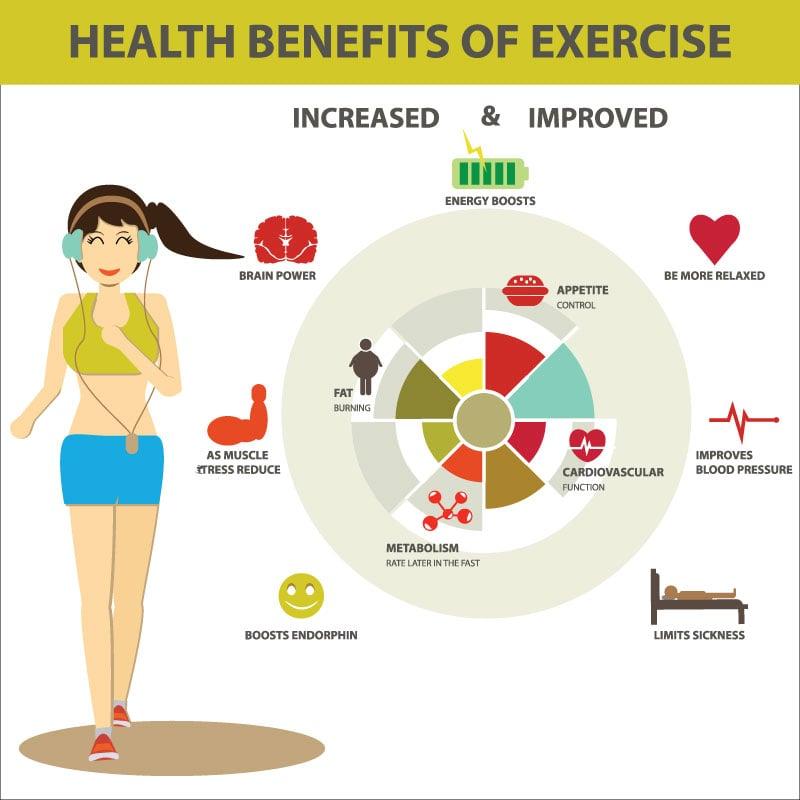
In a world where health concerns loom large, the quest for a robust immune system has never been more vital. As we navigate through cold and flu seasons, viral outbreaks, and the persistent challenges posed by a fast-paced lifestyle, the search for effective strategies to bolster our defenses becomes paramount. While a balanced diet and adequate sleep are often heralded as cornerstones of immunity, one powerful ally stands out in its ability to enhance our body’s natural resilience: fitness. In this article, we delve deep into the myriad benefits of physical activity, unveiling how regular exercise not only fortifies our bodies but also elevates our overall health. From the intricate relationship between movement and immune function to practical tips for integrating fitness into our daily lives, join us on a journey to discover the transformative power of staying active in the pursuit of a stronger, more resilient immune system.
Table of Contents
- Exploring the Link Between Physical Activity and Immune Function
- Key Exercises to Boost Your Immune Response
- Nutrition and Hydration: Essential Allies in Your Fitness Journey
- Building a Sustainable Fitness Routine for Long-Term Immunity Benefits
- Future Outlook
Exploring the Link Between Physical Activity and Immune Function
Engaging in regular physical activity has profound implications for enhancing immune responses in the body. Research indicates that exercise can give immunity a significant boost by improving circulation, reducing inflammation, and accelerating the flow of immune cells throughout the body. When we move, our body increases the production of substances like cytokines and antibodies, which play vital roles in protecting against infections. Moreover, moderate exercise is shown to help flush bacteria out of the lungs and airways, further decreasing the likelihood of catching a cold or flu. Here are some key benefits of exercise on our immune function:
- Increased immune cell turnover: Exercise promotes the regeneration and circulation of immune cells.
- Reduced stress hormones: Regular physical activity lowers cortisol levels, which if elevated, can weaken the immune response.
- Improved sleep quality: A good night’s sleep is crucial for a well-functioning immune system, and exercise can help regulate sleep patterns.
Interestingly, the relationship between physical activity and immunity doesn’t imply that more is always better. Overtraining or intense workouts without adequate recovery can lead to immunosuppression, leaving one more vulnerable to illness. Moderation is key; thus, it’s essential to strike a balance that suits your body’s needs. To better understand this balance, consider the table below, which outlines the effects of varying levels of physical activity on immune function:
| Activity Level | Immune Response |
|---|---|
| Low Activity | Weakened immune defenses, increased illness risk |
| Moderate Activity | Enhanced immune function, better disease resistance |
| High Activity | Risk of immunosuppression, higher susceptibility to infections |
Key Exercises to Boost Your Immune Response
Engaging in regular physical activity is crucial for enhancing your body’s natural defenses. Yoga, for instance, promotes relaxation and reduces stress hormones, which can negatively impact immunity. Incorporating poses that enhance circulation, like Downward Dog and Warrior II, not only increases flexibility but also mobilizes the lymphatic system, aiding in the removal of toxins. Additionally, strength training exercises such as weighted squats and push-ups stimulate the production of immune cells and improve overall metabolic health, contributing to a more responsive immune system.
Cardiovascular workouts, such as running, cycling, or even brisk walking, serve as powerful tools to bolster immunity. These activities increase your heart rate, promoting improved blood circulation and the circulation of immune cells throughout the body. Aim for at least 150 minutes of moderate aerobic exercise weekly to reap the benefits. High-intensity interval training (HIIT) also delivers significant immune benefits in shorter bouts, making it an excellent option for those with limited time. Below is a simplified breakdown of the impacts of different exercise types on the immune system:
| Exercise Type | Immune Response Benefits |
|---|---|
| Yoga | Reduces stress and inflammation |
| Strength Training | Increases immune cell production |
| Cardio | Boosts circulation of immune cells |
| HIIT | Enhances immune function in less time |
Nutrition and Hydration: Essential Allies in Your Fitness Journey
Embarking on a fitness journey isn’t solely about hitting the gym or following a workout regimen; it also encompasses the pivotal role of nutrition and hydration. To bolster your immune system, it’s essential to nourish your body with a diverse array of nutrient-dense foods that provide the vitamins and minerals crucial for immunity. Incorporating foods rich in vitamin C (like citrus fruits and bell peppers) and zinc (found in legumes and nuts) can significantly enhance your body’s ability to fend off infections. Additionally, consuming omega-3 fatty acids from sources such as fish and flaxseeds can help reduce inflammation, promoting better overall health.
Equally significant is maintaining proper hydration, as water is vital for every cellular function in the body, including nutrient transport and waste elimination. Dehydration can impair physical performance and weaken your immune response, making it essential to drink an adequate amount throughout the day. Consider these smart hydration tips to optimize your routine:
- Carry a water bottle to encourage regular sipping.
- Incorporate hydrating foods into your meals, like cucumbers and watermelon.
- Monitor your fluid intake, aiming for at least 8-10 cups of water daily.
| Key Nutrients | Sources | Immune Benefits |
|---|---|---|
| Vitamin C | Citrus fruits, strawberries, broccoli | Boosts production of white blood cells |
| Zinc | Meat, shellfish, legumes | Enhances immune cell function |
| Omega-3 | Fish, walnuts, flaxseeds | Reduces inflammation, supports defenses |
Building a Sustainable Fitness Routine for Long-Term Immunity Benefits
Establishing a lasting fitness routine requires dedication and an understanding of how exercise contributes to immune health. To create a sustainable plan, consider incorporating a variety of physical activities that not only engage different muscle groups but also keep your motivation high. Focus on a mix of aerobic exercises, strength training, and flexibility workouts. You can achieve this through options like swimming, cycling, yoga, or even brisk walking. Here are some key elements to include in your routine:
- Consistency: Aim for at least 150 minutes of moderate aerobic exercise each week.
- Variety: Mix different types of workouts to prevent boredom and promote overall fitness.
- Rest and Recovery: Allow time for your body to heal and adapt, crucial for maintaining long-term benefits.
Nutrition also plays a crucial role in amplifying the immunity-boosting effects of your fitness routine. Pairing exercise with a well-rounded diet rich in vitamins and minerals can enhance your body’s defenses. Incorporate plenty of fruits, vegetables, and whole grains into your meals to fuel your workouts and support your immune system. Below is a simple breakdown of key nutrients that can be beneficial:
| Nutrient | Benefits |
|---|---|
| Vitamin C | Boosts white blood cell production, essential for fighting infections. |
| Vitamin D | Plays a role in the activation of immune cells to defend against pathogens. |
| Omega-3 Fatty Acids | Helps reduce inflammation and may enhance immune response. |
Future Outlook
As we conclude our exploration into the intricate relationship between fitness and immunity, it becomes clear that movement is not merely a means of physical activity but a powerful ally in our quest for resilience. The benefits of integrating fitness into our daily routines extend far beyond sculpted physiques and enhanced endurance; they encompass a robust defense system, ready to fend off the challenges posed by our environment.
Embracing a lifestyle that prioritizes regular exercise can empower us, nurturing our bodies and minds alike. From increased circulation that fuels immune cell function to the stress-relieving effects that promote overall well-being, fitness stands as a cornerstone for a healthier life. As you embark on your journey towards strengthening immunity, remember that every step, stretch, and heartbeat counts. So, lace up your shoes, find joy in movement, and unlock the potential that awaits within you. Together, let’s cultivate a community devoted to nurturing our defenses, ensuring we not only thrive but flourish in the face of life’s myriad challenges.