


In a world brimming with fitness trends and ever-evolving workout fads, one cornerstone of effective exercise remains steadfast: compound movements. These dynamic exercises, which engage multiple muscle groups at once, not only enhance strength but also streamline workout routines for busy lives. Imagine a training regimen that maximizes efficiency while delivering remarkable results, transforming your body into a powerhouse of resilience and vitality. In this article, we will explore the profound benefits of compound exercises, unveiling the secrets to unlocking your true strength and optimizing your fitness journey. Whether you are a seasoned athlete or a fitness novice, understanding the power of these movements can redefine how you approach your workouts, leading to impressive gains and a deeper connection to your physical potential. Join us as we delve into the world of compound exercises and discover how they can elevate your training experience.
Table of Contents
- Exploring the Science Behind Compound Exercises and Their Benefits
- Mastering the Technique: Essential Compound Movements for Optimal Results
- Building a Balanced Routine: Integrating Compound Exercises into Your Workout
- Fueling Your Progress: Nutrition Tips to Enhance Your Compound Training
- Insights and Conclusions
Exploring the Science Behind Compound Exercises and Their Benefits
Compound exercises are a cornerstone of effective strength training, engaging multiple muscle groups simultaneously and promoting functional movement patterns. When you perform these exercises, such as squats, deadlifts, and bench presses, the body works in unison by recruiting large muscle groups, leading to improved overall strength and coordination. This multi-joint motion not only enhances your muscle mass but also boosts metabolic rate, making it an efficient way to burn calories. Furthermore, utilizing compound movements in your workout regimen can provide benefits beyond physical strength; they encourage the release of hormones like testosterone and growth hormone, essential for recovery and muscle development.
One of the most compelling advantages of engaging in compound exercises is their ability to improve mental focus and stability, as these movements demand proper technique and concentration. As you master exercises that require balance and coordination, such as overhead presses or lunges, you also cultivate better body awareness and functional fitness. In addition, incorporating these exercises into your workout can yield significant time savings—working multiple muscle groups efficiently means you can achieve robust results in shorter workout durations. by embracing compound exercises, you unlock a comprehensive approach to building strength, enhancing bodily function, and sculpting an ideal physique.
Mastering the Technique: Essential Compound Movements for Optimal Results
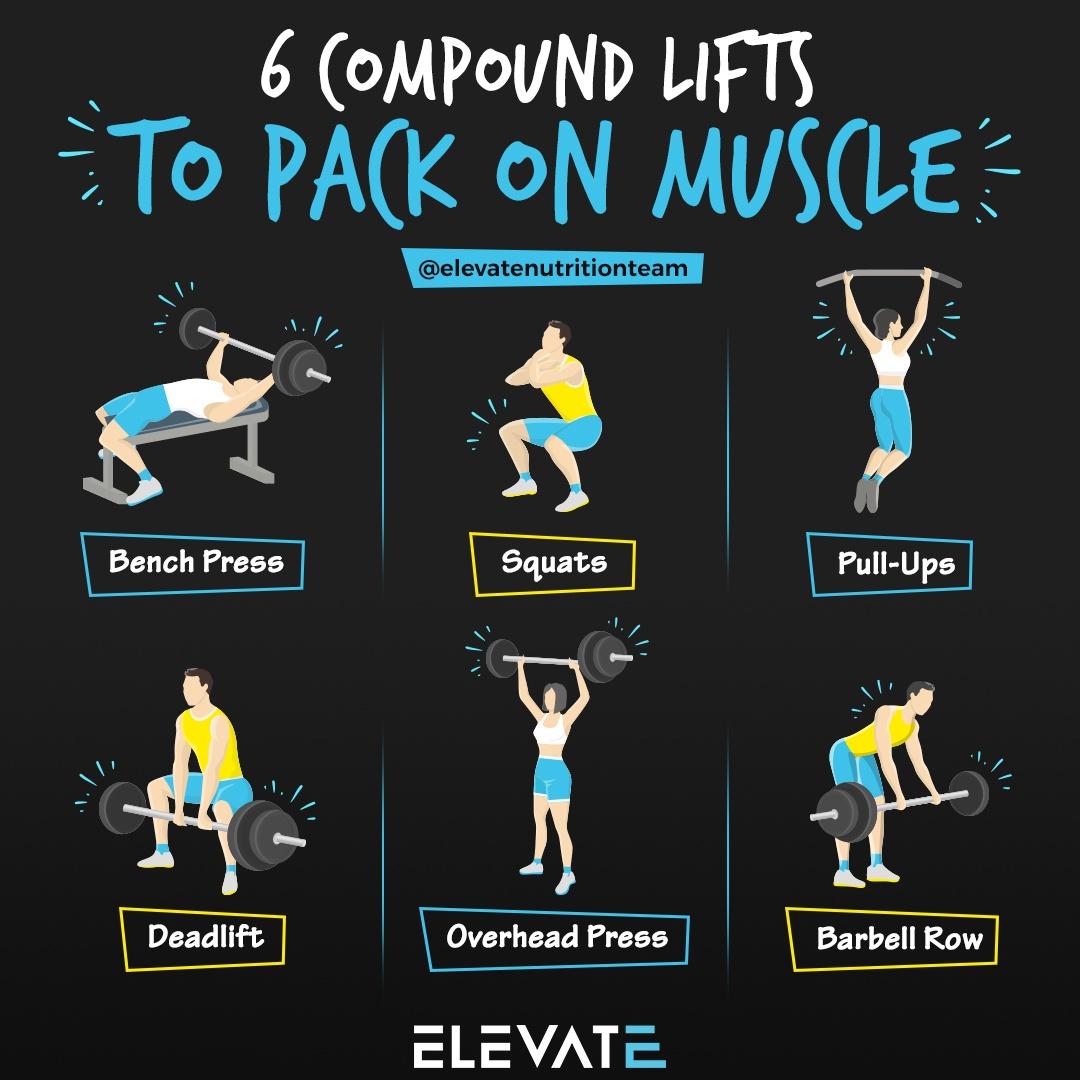
To truly harness the power of your workouts, embracing compound movements is essential. These exercises engage multiple muscle groups simultaneously, providing a comprehensive strength-building experience. Among the most effective compound movements are:
- Squats: A fundamental exercise for building lower body strength, targeting quads, hamstrings, and glutes.
- Deadlifts: Perfect for engaging the entire posterior chain, enhancing both strength and stability.
- Bench Press: A staple for developing upper body power, targeting the chest, shoulders, and triceps.
- Pull-Ups: An excellent option for developing back strength and enhancing grip.
Utilizing these movements not only improves strength but also boosts functional fitness, making everyday tasks easier. By incorporating these exercises into your routine, you maximize your workout efficiency and optimize muscle engagement. To further illustrate the effectiveness of these exercises, consider the following table showcasing their primary benefits:
| Exercise | Primary Benefits |
|---|---|
| Squats | Strengthens lower body & core stability |
| Deadlifts | Enhances posterior chain power & posture |
| Bench Press | Increases upper body mass & strength |
| Pull-Ups | Improves upper body strength & athleticism |
Building a Balanced Routine: Integrating Compound Exercises into Your Workout
Incorporating compound exercises into your workout routine can transform your fitness journey by promoting a balanced approach to strength training. These movements engage multiple muscle groups simultaneously, enhancing overall strength and coordination. To effectively integrate compound exercises into your regimen, consider the following strategies:
- Prioritize major lifts: Focus on exercises like squats, deadlifts, and bench presses that engage the core and large muscle groups.
- Balance your workout: Pair upper and lower body movements to ensure an even distribution of strength development.
- Schedule rest days: Allow your muscles to recover, as compound exercises can be taxing.
To illustrate the impact of compound exercises, here’s a quick comparison of muscle engagement between common workout types:
| Exercise Type | Main Muscles Engaged | Caloric Burn (Approx.) |
|---|---|---|
| Squats | Quads, Hamstrings, Glutes, Core | 300-400/cal |
| Deadlifts | Back, Hamstrings, Glutes, Core | 350-450/cal |
| Bench Press | Chest, Shoulders, Triceps | 250-350/cal |
By systematically incorporating these movements into your routine, not only will you boost your strength capacity, but you’ll also enhance functional fitness, making daily activities easier and more efficient. Embrace the versatility of compound exercises and watch your strength flourish!
Fueling Your Progress: Nutrition Tips to Enhance Your Compound Training
To truly maximize the benefits of your compound training, it’s essential to pay attention to your nutrition. Whole foods should be the cornerstone of your diet, providing the necessary macros and micros to fuel your workouts. Focus on integrating a variety of foods that are rich in protein, healthy fats, and complex carbohydrates. Consider including:
- Lean proteins like chicken, turkey, fish, and plant-based sources such as lentils and beans.
- Healthy fats from avocados, nuts, seeds, and olive oil to support hormone production.
- Complex carbs such as quinoa, brown rice, and sweet potatoes to sustain energy levels during intensive training sessions.
Hydration is another crucial element; ensure you are drinking enough water throughout the day. To help visualize the balance needed in your meals, the following table breaks down a sample meal that aligns with your training goals:
| Food Item | Serving Size | Benefits |
|---|---|---|
| Grilled Chicken | 150g | High in protein for muscle repair. |
| Quinoa | 1 cup | Complex carbs for sustained energy. |
| Steamed Broccoli | 1 cup | Rich in vitamins and minerals. |
| Almonds | 30g | Healthy fats to support recovery. |
Pairing these dietary choices with your compound exercises will not only enhance your strength but also improve your recovery time. It’s vital to listen to your body, adjusting your nutritional intake based on your training intensity and personal progress.
Insights and Conclusions
unlocking your strength through the power of compound exercises is more than just a fitness trend—it’s a transformative journey toward a stronger, more resilient version of yourself. These dynamic movements engage multiple muscle groups, promoting not only physical growth but also mental fortitude. By incorporating compound exercises into your routine, you’re not just sculpting your physique; you’re building a foundation of functional strength that enhances your daily life.
As you embark on this path, remember to listen to your body, celebrate your progress, and stay committed to your goals. The power of compound exercises lies in their ability to challenge you, pushing the boundaries of what you thought possible. So, embrace the grind, harness your potential, and unlock the strength that resides within you. The journey has just begun—step into it with determination and confidence, and watch as you redefine your limits, one rep at a time.