


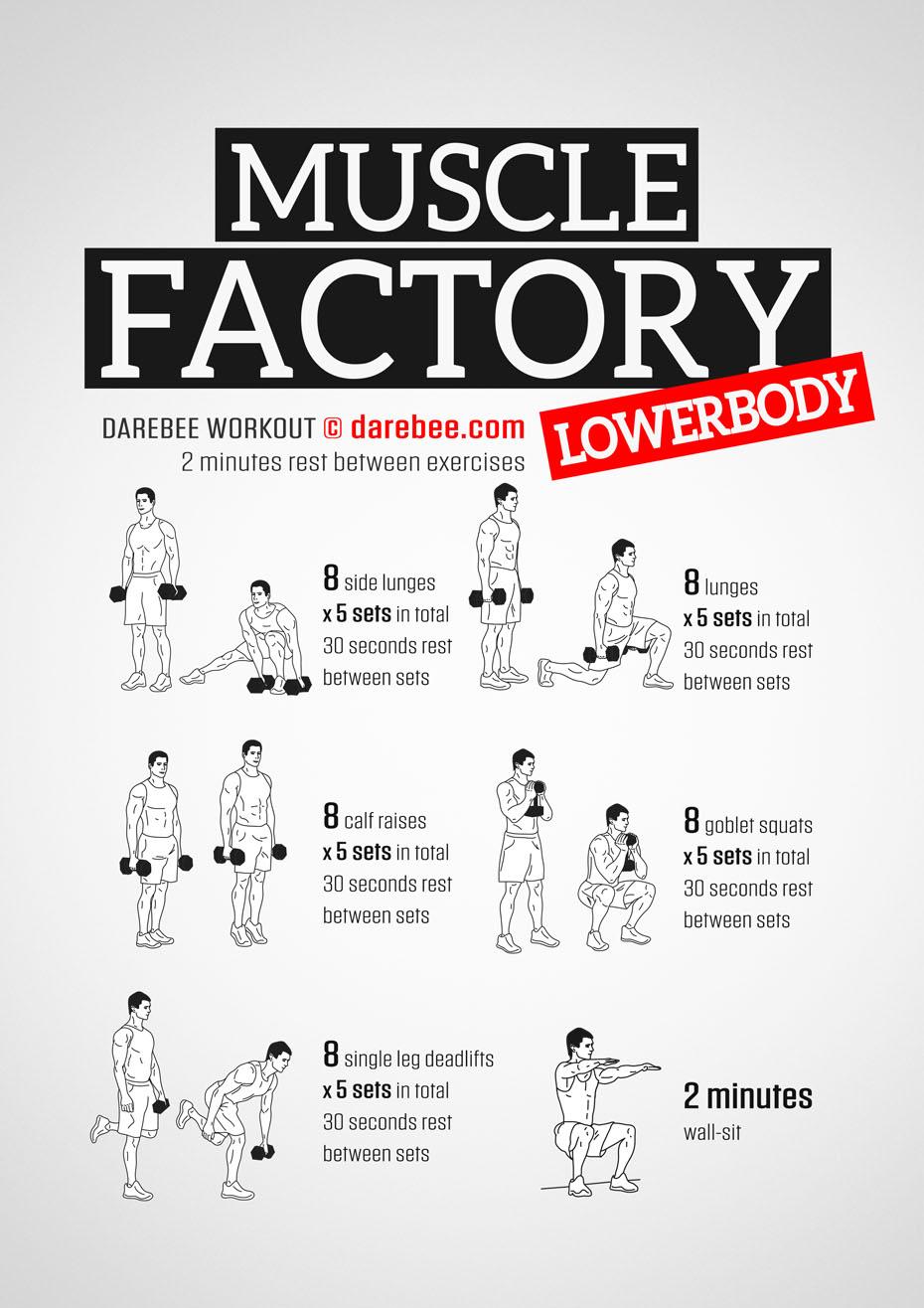
In the pursuit of overall fitness, lower body strength and endurance play a critical role in enhancing not only athletic performance but also daily functional activities. Essential lower body workouts are designed to develop the major muscle groups in the legs, including the quadriceps, hamstrings, glutes, and calves, contributing to improved stability, power, and injury prevention. This article will explore a variety of effective exercises that target these muscle groups, providing valuable insights into technique, variations, and training frequency. Whether for athletes looking to enhance performance or individuals aiming to improve their physical fitness, understanding and incorporating these workouts can lead to significant benefits in strength and endurance capacities.
Table of Contents
- Essential Lower Body Exercises for Building Strength
- Techniques for Enhancing Endurance in Lower Body Workouts
- Incorporating Flexibility and Mobility Training into Lower Body Routines
- Nutrition and Recovery Strategies for Maximizing Lower Body Performance
- Wrapping Up
Essential Lower Body Exercises for Building Strength
To effectively build strength in your lower body, incorporating a variety of exercises targeting key muscle groups is essential. Focus on movements that engage your quadriceps, hamstrings, glutes, and calves. Consider adding the following exercises to your routine:
- Squats: A fundamental exercise that targets the thighs and glutes.
- Deadlifts: Great for developing strength in the hamstrings and lower back.
- Lunges: Effective for isolating each leg and improving balance.
- Calf Raises: Important for strengthening the lower leg muscles.
- Leg Press: A machine-based exercise that allows for significant load and muscle engagement.
Incorporating these exercises into your weekly regimen can enhance both strength and endurance. It’s beneficial to vary your workout by adjusting reps and sets, as well as experimenting with weights. Below is a suggested weekly structure for your lower body workouts:
| Day | Exercise | Sets | Reps |
|---|---|---|---|
| Monday | Squats | 3 | 10-12 |
| Wednesday | Deadlifts | 3 | 8-10 |
| Friday | Lunges | 3 | 12-15 |
Techniques for Enhancing Endurance in Lower Body Workouts
To boost endurance in lower body workouts, incorporate a variety of intervals into your routine. High-Intensity Interval Training (HIIT) enhances both strength and stamina by alternating short bursts of intense effort with recovery periods. For example, perform squats or lunges at maximum effort for 30 seconds, followed by 30 seconds of rest, repeating this cycle for several rounds. Likewise, circuit training can be exceptionally beneficial; set up a circuit of exercises like leg presses, step-ups, and calf raises. This not only keeps your heart rate high but also engages different muscle groups, promoting overall endurance.
Another effective technique is to utilize progressive overload by gradually increasing the resistance or volume of your exercises. This strategy helps your muscles adapt to greater demands over time. Additionally, including plyometric exercises such as box jumps and jump squats can significantly enhance explosive strength and stamina. Pair these with active recovery techniques like walking or cycling at a low intensity for a few minutes between sets to maintain a slight elevation in heart rate. The following table highlights some endurance-enhancing exercises, their duration, and recommended sets:
| Exercise | Duration | Sets |
|---|---|---|
| Squat Jumps | 30 seconds | 3-4 |
| Lateral Lunges | 45 seconds | 3 |
| Walking Lunges | 40 seconds | 3 |
| Step-Ups | 60 seconds | 3 |
Incorporating Flexibility and Mobility Training into Lower Body Routines
is essential for enhancing performance and preventing injuries. Flexible muscles and joints improve the body’s range of motion, which can lead to better form and effectiveness during strength training exercises. Consider including the following activities in your regimen:
- Dynamic Stretching: Incorporate leg swings and walking lunges to warm up major muscle groups.
- Foam Rolling: Use a foam roller to release tightness in the hamstrings, quadriceps, and calves.
- Static Stretches: Dedicate time post-workout for stretches such as the pigeon pose and standing quadricep stretch.
Mobility training can be seamlessly blended into lower body workouts, particularly to target the hips and ankles, which are critical for stability and power. Here’s a simple table of exercises and their benefits:
| Exercise | Benefit |
|---|---|
| Hip Openers | Increases hip flexibility and reduces tension |
| Ankle Mobilizations | Enhances ankle flexibility for improved squatting |
| Lateral Lunges | Promotes adductor flexibility and lateral stability |
Integrating these exercises into your lower body routine will enhance your overall strength and endurance by ensuring that the muscles not only grow but also function optimally. A balanced approach to strength training that emphasizes mobility can significantly elevate your performance levels while safeguarding against common injuries that stem from tightness and restricted movement.
Nutrition and Recovery Strategies for Maximizing Lower Body Performance
To optimize lower body performance, nutrition plays a vital role in fueling workouts and enhancing recovery. Incorporating a well-balanced diet helps to ensure that your body receives the necessary nutrients for energy production and muscle repair. Focus on the following key components:
- Complex Carbohydrates: Whole grains, fruits, and vegetables provide sustained energy.
- Protein: Lean meats, fish, dairy, and legumes support muscle repair and growth.
- Healthy Fats: Incorporate sources like avocados, nuts, and olive oil for overall health.
- Hydration: Maintain fluid balance with water and electrolyte-rich beverages, especially after intense workouts.
Recovery strategies are equally crucial for maximizing performance gains. Implementing a routine that includes the following practices can boost recovery times and prevent injuries:
- Active Recovery: Light activities such as walking or cycling help to increase blood flow.
- Stretching: Incorporate both static and dynamic stretching to enhance flexibility and reduce muscle tightness.
- Foam Rolling: Use a foam roller to relieve muscle soreness and improve tissue quality.
| Recovery Strategy | Description | Benefits |
|---|---|---|
| Sleep | Prioritize getting adequate sleep each night. | Enhances muscle recovery and cognitive function. |
| Nutrition Timing | Have a protein and carbohydrate meal post-workout. | Replenishes glycogen and starts muscle repair. |
| Cold Therapy | Use ice baths or cold packs after intense workouts. | Helps reduce inflammation and soreness. |
Wrapping Up
integrating essential lower body workouts into your fitness routine is crucial for building strength and endurance. These exercises not only enhance overall athletic performance but also improve functional fitness, supporting daily activities and reducing the risk of injury. Whether you are a beginner or an experienced athlete, a well-rounded lower body regimen that includes squats, lunges, deadlifts, and calf raises can lead to significant improvements in muscle tone and endurance. Consistency and proper technique are key to maximizing benefits and ensuring safety during your workouts. By prioritizing these essential movements, you can achieve a stronger, more capable lower body that supports your fitness goals.