


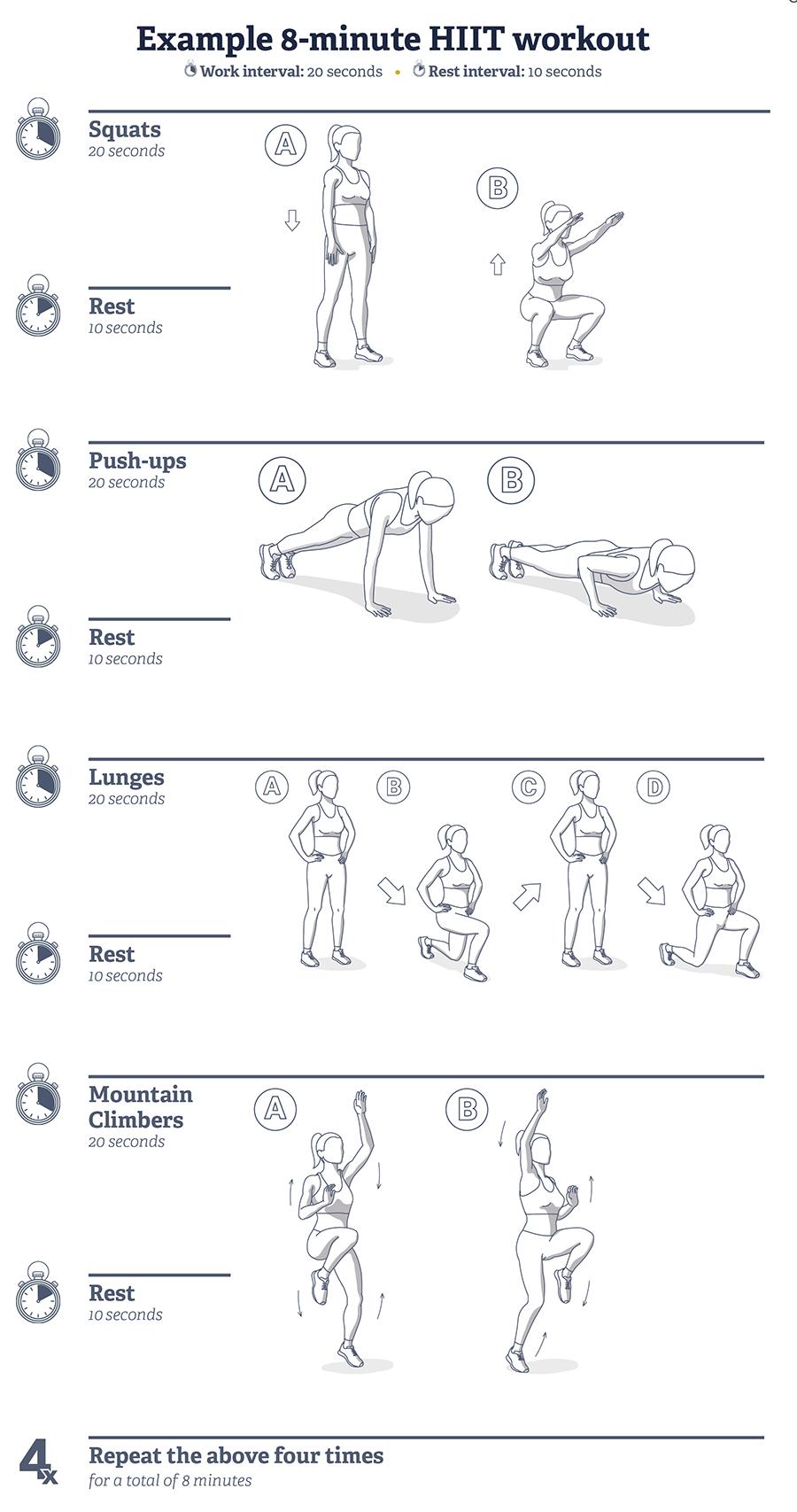
In a world where time often feels like the most elusive commodity, the quest for effective fitness solutions has never been more urgent. Enter interval cardio workouts—a dynamic approach that promises to unlock fast fitness results without requiring hours spent in the gym. By strategically alternating between bursts of high-intensity effort and active recovery, these workouts not only elevate your heart rate but also supercharge your metabolism, making every minute count. Whether you’re a seasoned athlete or a casual gym-goer, the power of interval training offers a transformative experience, merging efficiency with exhilaration. In this article, we will delve into the science behind interval cardio, explore its myriad benefits, and provide practical tips on how to incorporate this potent workout style into your routine. Get ready to discover how you can elevate your fitness journey and achieve your goals faster than you ever thought possible.
Table of Contents
- Exploring the Science Behind Interval Cardio for Maximum Fat Burn
- Designing Your Ideal Interval Workout: Tips for Beginners and Pros
- Measuring Progress: How to Track Your Interval Cardio Results Effectively
- Incorporating Interval Cardio into Your Weekly Routine for Optimal Results
- Closing Remarks
Exploring the Science Behind Interval Cardio for Maximum Fat Burn
Interval cardio is not just a fitness trend; it’s a scientifically-backed method that maximizes fat burning by alternating between high-intensity bursts and lower-intensity recovery periods. This approach exploits the body’s natural energy systems, enhancing both aerobic and anaerobic fitness. Studies have shown that the periods of high intensity, often lasting from 20 seconds to a few minutes, can elevate your metabolism even after you’ve finished exercising, a phenomenon known as the afterburn effect, or excess post-exercise oxygen consumption (EPOC). This means you continue burning calories long after you’ve left the gym!
Incorporating interval training into your workout regimen can lead to significant improvements in overall fitness and fat loss. Here are some key factors that contribute to its effectiveness:
- Time Efficiency: Achieve maximum results in shorter workouts.
- Versatility: Can be applied to various types of exercises, from running to cycling.
- Variety: Keeps workouts engaging and reduces burnout.
To give you an idea of how interval training can be structured, consider the following simple table showcasing a basic HIIT workout schedule:
| Interval Type | Duration | Rest |
|---|---|---|
| High Intensity | 30 seconds | 30 seconds |
| Moderate Intensity | 60 seconds | 30 seconds |
Designing Your Ideal Interval Workout: Tips for Beginners and Pros
Creating an effective interval workout is all about balancing intensity and recovery to optimize results, whether you’re just starting out or fine-tuning your routine as a seasoned athlete. Identify your fitness level first, as this will guide the length and intensity of your intervals. Beginners might start with a simple ratio like 1:2, where you work hard for 30 seconds followed by a 1-minute rest, while more advanced workouts might follow a 2:1 ratio or even a high-intensity format like Tabata, featuring 20 seconds of effort followed by 10 seconds of rest. Consider incorporating a mix of activities such as running, cycling, or bodyweight exercises to keep things fresh and engaging.
Another key element in designing your ideal workout is to set clear goals. Whether you aim to improve your cardiovascular endurance, speed, or simply to shed some pounds, tailoring your intervals accordingly will lead to faster, more satisfying results. Think about integrating a variety of duration and intensities within your session; for instance, you might structure a workout with multiple intervals of different lengths, like:
| Interval Length | Intensity Level | Activity Example |
|---|---|---|
| 20 seconds | High | sprint |
| 40 seconds | Moderate | jog |
| 60 seconds | Low | walk |
This not only creates a challenging yet manageable session but also ensures that you engage different muscle groups and energy systems. Remember to listen to your body and adjust the workout as needed; the key to consistency is not just pushing hard, but also allowing yourself the grace to adapt!
Measuring Progress: How to Track Your Interval Cardio Results Effectively
To effectively measure your progress with interval cardio workouts, it’s essential to establish clear and achievable benchmarks. Start by tracking key metrics that directly reflect your fitness level, such as heart rate, duration of intervals, and total workout time. Utilizing a fitness app or a heart rate monitor can provide real-time data that helps you stay in your optimal zone. Create a simple tracking sheet or utilize a digital tool to record these metrics regularly. Consider the following aspects for a holistic view of your progress:
- Workout Frequency: Keep track of how many days a week you engage in interval training.
- Intensity Levels: Note the difficulty of each session to ensure you’re continually challenging yourself.
- Recovery Time: Monitor how quickly you recover after intense bursts, which can indicate improved fitness.
Additionally, it’s beneficial to set specific goals and timelines for your progress tracking. This can include achieving a certain number of intervals within your workout or decreasing your recovery time between sets. A simple table can help visualize these goals:
| Goal | Current Metric | Target Metric | Timeline |
|---|---|---|---|
| Duration of each interval | 30 seconds | 45 seconds | 4 weeks |
| Number of intervals | 5 | 8 | 6 weeks |
| Recovery time | 90 seconds | 60 seconds | 3 weeks |
By systematically documenting your workouts and setting tangible targets, you can effectively evaluate your progress and make necessary adjustments to keep your interval cardio sessions challenging and rewarding.
Incorporating Interval Cardio into Your Weekly Routine for Optimal Results
Incorporating interval cardio into your weekly routine can transform your fitness journey by maximizing your calorie burn and improving your cardiovascular health. Here’s how to seamlessly blend these dynamic workouts into your schedule:
- Start Simple: Begin with two to three sessions of interval training each week, aiming for 20-30 minutes per session. You can gradually increase the intensity and duration as your fitness level improves.
- Mix It Up: Use a variety of exercises in your interval training. Incorporate activities such as cycling, running, swimming, or jump rope to keep your workouts fresh and engaging.
- Rest and Recovery: Ensure you have rest days between interval sessions. This will help prevent injury and allow your body to recover, leading to better performance in subsequent workouts.
Additionally, tracking your progress can be a motivating way to see results over time. Consider using a simple table to monitor your weekly workouts and improvements:
| Week | Interval Sessions | Duration (Minutes) | Calories Burned |
|---|---|---|---|
| 1 | 3 | 20 | 300 |
| 2 | 3 | 25 | 375 |
| 3 | 4 | 30 | 450 |
Using this method not only allows you to keep track of your workouts but also helps you identify patterns of improvement. Intervals can shift your fitness paradigm, providing a faster route to your goals with each high-intensity burst followed by recovery, leading to faster gains in fitness and endurance.
Closing Remarks
As we conclude our exploration of interval cardio workouts, it’s clear that this dynamic approach to fitness holds the key to unlocking a healthier, stronger version of yourself. By harnessing the power of intervals, you can break through the monotony of traditional cardio and invigorate your body in a way that both challenges and rewards you. Whether you’re aiming to shed pounds, boost endurance, or simply inject some excitement into your routine, interval training offers an adaptable solution for all fitness levels.
Remember, fitness is not a destination but a journey—one that thrives on experimentation and pushing boundaries. As you embrace the rhythm of intervals, you’ll find not only improvements in your physical health but also a renewed zest for movement. So lace up your shoes, set that timer, and embark on this exhilarating workout adventure. Your journey to fast fitness starts now—unlock your potential and let the heartbeat of interval cardio guide the way!