


In a world where health trends ebb and flow like the tides, the quest for an optimal lifestyle often leads us to the foundation of our well-being: nutrition. “” invites you on a journey that transcends mere dieting and dives deep into the principles of nourishment that fuel our bodies and minds. Whether you’re seeking to shed a few pounds, boost your energy levels, or simply cultivate a more vibrant existence, understanding the essentials of nutrition can be your blueprint for transformation. This article will explore the vital components of a balanced diet, practical tips for reimagining your meals, and the pivotal role that mindful eating plays in building a healthier relationship with food. So, roll up your sleeves and prepare to redefine your plate in a way that aligns with your personal health goals and paves the way for lasting change.
Table of Contents
- Understanding Macronutrients for Optimal Energy and Recovery
- The Power of Micronutrients in Boosting Immunity and Vitality
- Building a Balanced Plate: Practical Tips for Every Meal
- Mindful Eating: Strategies to Cultivate a Healthy Relationship with Food
- Wrapping Up
Understanding Macronutrients for Optimal Energy and Recovery
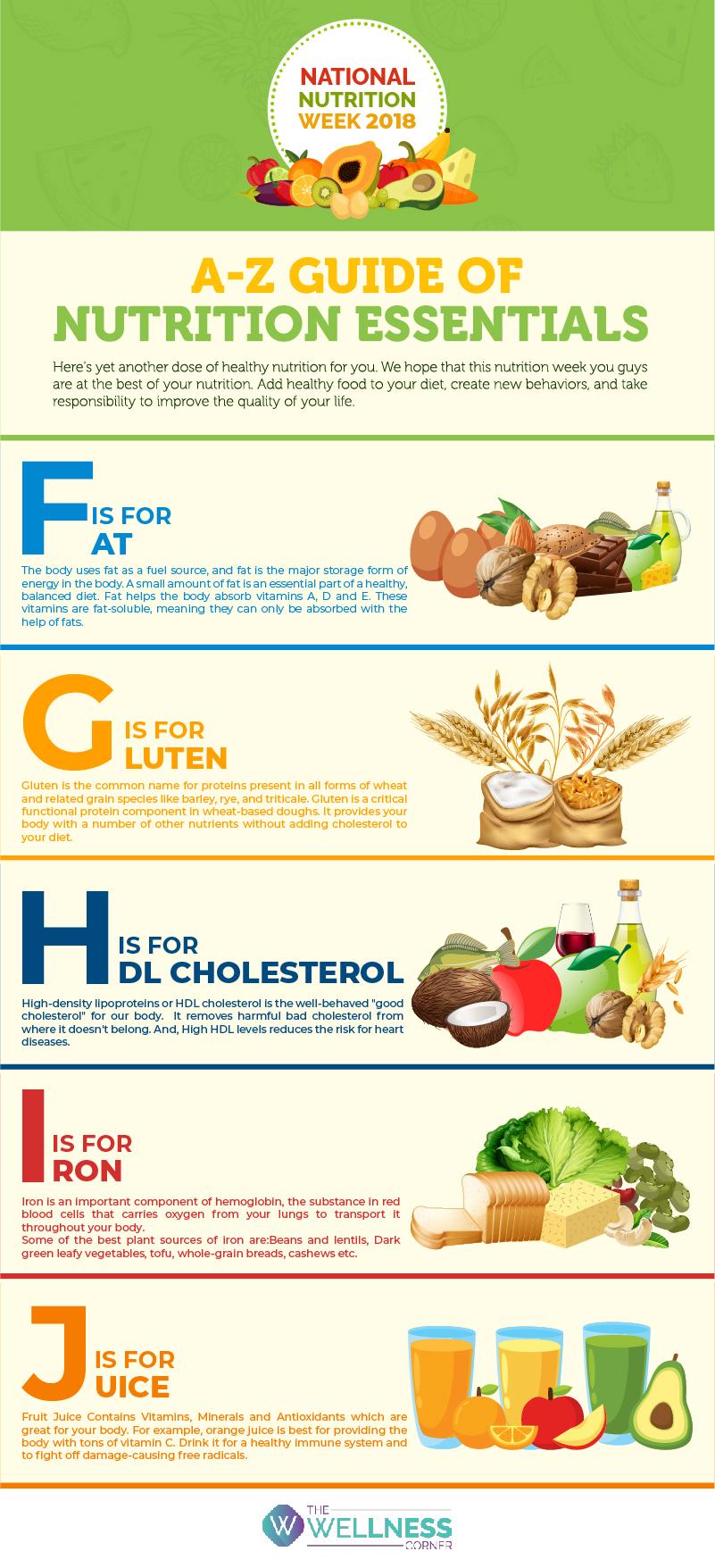
To optimize your energy levels and enhance recovery, understanding the role of macronutrients is essential. These nutrients, which include carbohydrates, proteins, and fats, each serve distinct functions in the body. Carbohydrates are your primary source of energy, fueling your workouts and daily activities. They can be found in foods such as whole grains, fruits, and vegetables. Meanwhile, proteins are crucial for muscle repair and growth, making them a vital component of any post-exercise meal; sources include lean meats, fish, and legumes. Healthy fats, found in items like avocados, nuts, and olive oil, are important for hormone production and nutrient absorption.
To achieve a balanced intake that supports your body transformation goals, it’s beneficial to monitor the proportion of each macronutrient on your plate. Consider the following guidelines for consumption:
| Macronutrient | Recommended Daily Intake | Sources |
|---|---|---|
| Carbohydrates | 45-65% of total calories | Whole grains, fruits, vegetables |
| Proteins | 10-35% of total calories | Lean meats, fish, legumes |
| Fats | 20-35% of total calories | Nuts, seeds, avocados |
By balancing these macronutrients according to your individual energy needs, you can fuel your workouts, maintain muscle mass, and optimize recovery. Remember, the quality of the food choices you make matter significantly. Aim for whole, minimally processed foods that provide not only macronutrients but also essential vitamins and minerals. This holistic approach will not only revitalize your plate but also propel you toward the transformation you seek.
The Power of Micronutrients in Boosting Immunity and Vitality
Micronutrients, often overshadowed by their macronutrient counterparts, play a pivotal role in strengthening our immune system and enhancing overall vitality. These essential vitamins and minerals, such as vitamin C, zinc, and iron, work tirelessly at the cellular level to combat oxidative stress and support biochemical reactions necessary for a robust immune function. Incorporating a variety of foods rich in these micronutrients not only fortifies the body’s defenses but also promotes optimal physical and mental health. To harness the full potential of these nutrients, consider adding the following to your meals:
- Leafy Greens: Spinach, kale, and swiss chard are all excellent sources of vitamins A, C, and K.
- Colorful Fruits: Berries, citrus, and kiwi are packed with antioxidants and vitamin C.
- Whole Grains: Quinoa, brown rice, and oats provide B vitamins and essential minerals.
- Nuts and Seeds: Almonds, sunflower seeds, and pumpkin seeds are great sources of zinc and vitamin E.
To further illustrate the importance of these nutrients, consider their roles in your daily functions. For a clearer understanding, here’s a simple table showcasing key micronutrients, their sources, and their benefits:
| Micronutrient | Sources | Benefits |
|---|---|---|
| Vitamin C | Citrus fruits, strawberries, bell peppers | Boosts immunity; accelerates healing |
| Zinc | Meat, shellfish, legumes | Enhances immune response; supports cell division |
| Vitamin D | Fatty fish, fortified dairy, sunlight | Regulates immunological function; improves mood |
Building a Balanced Plate: Practical Tips for Every Meal
Creating a balanced plate is about more than just filling your dish; it involves making mindful choices to ensure your body receives the nutrients it needs. Start by incorporating a variety of food groups, each serving a unique purpose in your daily nutrition. Consider the following components for a well-rounded meal:
- Veggies: Aim for a rainbow of colors. Leafy greens, bell peppers, and beets not only add visual appeal but also provide essential vitamins and minerals.
- Proteins: Include lean sources like chicken, fish, tofu, or legumes to support muscle growth and repair.
- Whole Grains: Swap out refined grains for brown rice, quinoa, or whole wheat pasta to promote satiety and digestive health.
- Healthy Fats: Avocados, nuts, and olive oil can enhance flavor while contributing to heart health.
Portion sizes are equally crucial; using a template can help you tailor your meals accurately. Consider dividing your plate using the following proportions:
| Food Group | Portion Size |
|---|---|
| Vegetables | 50% |
| Protein | 25% |
| Whole Grains | 25% |
By adhering to these guidelines, you’re not only enhancing the nutritional value of your meals but also fostering a healthier relationship with food. Experiment with flavors and textures, and let your culinary creativity blossom!
Mindful Eating: Strategies to Cultivate a Healthy Relationship with Food
In our fast-paced world, it’s easy to rush through meals without truly experiencing the flavors and textures of our food. Mindful eating encourages us to savor each bite and recognize the nourishment we are providing our bodies. This practice involves slowing down and paying attention to the act of eating, which can lead to greater satisfaction and a more profound appreciation for the food on our plates. To embark on this journey, consider incorporating the following strategies:
- Eliminate Distractions: Turn off screens and put away your phone to focus solely on your meal.
- Engage Your Senses: Take a moment to smell your food and notice its color and texture before eating.
- Chew Slowly: Aim to chew each bite thoroughly, allowing for better digestion and enjoyment.
- Listen to Your Body: Pay attention to hunger and fullness cues, and learn to stop eating when you’re satisfied, not stuffed.
To further enhance your relationship with food, consider journaling your meals and feelings around food. Documenting your thoughts can uncover patterns and emotions tied to your eating habits. It can help you identify triggers for unhealthy eating and allow you to celebrate moments of mindful eating. A simple table can be used to track your meals and provide insights into how different foods affect your mood and well-being:
| Meal | Time | Feelings | Notes |
|---|---|---|---|
| Breakfast | 8:00 AM | Refreshed | Enjoyed the taste of fresh fruit. |
| Lunch | 12:30 PM | Content | Felt energized after a hearty salad. |
| Dinner | 6:00 PM | Relaxed | Shared this meal with family. |
Wrapping Up
In closing, the journey to transform your body begins on your plate. With a mindful approach to nutrition, you can fuel your body for success, enhance your well-being, and embrace a healthier lifestyle. Remember, this transformation is not just about food; it’s about cultivating a relationship with what nourishes you. As you embark on this venture, keep experimenting, stay curious, and most importantly, listen to your body’s unique needs. With every meal, you have the power to revamp your plate and, in turn, revitalize your life. Here’s to the vibrant, healthier you that awaits—one bite at a time!