


Boxing is a multifaceted sport that not only enhances physical fitness but also develops a range of skills applicable both inside and outside the ring. As interest in boxing for fitness and self-improvement grows, enthusiasts and beginners alike seek effective training methods to maximize their workouts. This article explores various boxing workouts designed to improve cardiovascular endurance, strength, agility, and coordination while simultaneously honing techniques essential for the sport. By examining both traditional and contemporary training approaches, this guide aims to provide insight into how effective boxing workouts can contribute to overall health and athletic skill development. Whether one is pursuing boxing as a competitive sport or as a means of staying fit, understanding the fundamental components of an effective training regimen is crucial for achieving desired results.
Table of Contents
- Understanding the Importance of Boxing for Fitness and Skill Acquisition
- Fundamental Techniques to Enhance Boxing Performance
- Creating a Balanced Workout Routine for Skill and Physical Conditioning
- Incorporating Sparring and Drills for Practical Application and Progress Tracking
- Future Outlook
Understanding the Importance of Boxing for Fitness and Skill Acquisition
Boxing is not just a combat sport; it is a multifaceted exercise that enhances overall fitness and promotes the acquisition of essential skills. Engaging in boxing workouts offers a broad range of health benefits, including improved cardiovascular endurance, increased strength, and enhanced agility. Practitioners can experience significant calorie burn, making it an effective choice for weight management and overall body composition. Here are some key fitness benefits of boxing:
- Improved Coordination: The combination of footwork and hand movements sharpens motor skills and reflexes.
- Full-Body Conditioning: Boxing workouts engage multiple muscle groups, providing a comprehensive workout.
- Stress Relief: The physical exertion involved in boxing helps reduce stress and improve mental clarity.
Beyond physical health, boxing fosters key skills applicable both inside and outside the ring. Through consistent practice, individuals develop discipline, resilience, and strategic thinking. Training often involves technique drills and sparring, which promote not only fighting skills but also critical thinking under pressure. The table below summarizes the essential skills acquired through boxing training:
| Skill | Description |
|---|---|
| Footwork | Agility and movement coordination. |
| Punching Techniques | Proper form and power generation. |
| Defensive Skills | Blocking and avoiding strikes. |
| Composure | Maintaining focus under pressure. |
Fundamental Techniques to Enhance Boxing Performance
To improve boxing performance, focusing on core techniques and drills is essential. Regularly incorporating shadowboxing into routines enhances footwork, timing, and movement. Practicing in front of a mirror can also help refine technique and increase self-awareness. Other effective methods include:
- Heavy bag work to build power and endurance.
- Speed bag training to improve hand-eye coordination and rhythm.
- Focus mitt drills for precision and reaction time.
Moreover, conditioning is a vital component of a boxer’s training regimen. Implementing a mix of aerobic and anaerobic exercises enhances overall stamina and strength. Some key conditioning tactics include:
- Interval training to boost cardiovascular fitness.
- Circuit training for strength and endurance.
- Skipping rope to improve coordination and agility.
| Technique | Benefits |
|---|---|
| Shadowboxing | Improves technique and footwork |
| Heavy Bag | Builds power and overall strength |
| Speed Bag | Enhances hand-eye coordination |
| Skipping Rope | Boosts agility and cardiovascular health |
Creating a Balanced Workout Routine for Skill and Physical Conditioning
To achieve both skill and physical conditioning in boxing, it’s essential to structure a workout routine that incorporates various elements. Focus on technical training, which includes practicing punches, footwork, and defensive movements. Complement this with strength and conditioning exercises to enhance overall performance and endurance. A well-rounded routine may include:
- Shadow Boxing: Improves technique and footwork.
- Heavy Bag Work: Builds power and incorporates combinations.
- Speed Bag: Boosts hand-eye coordination and speed.
- Jump Rope: Increases agility and cardiovascular fitness.
- Strength Training: Focused on core, legs, and upper body.
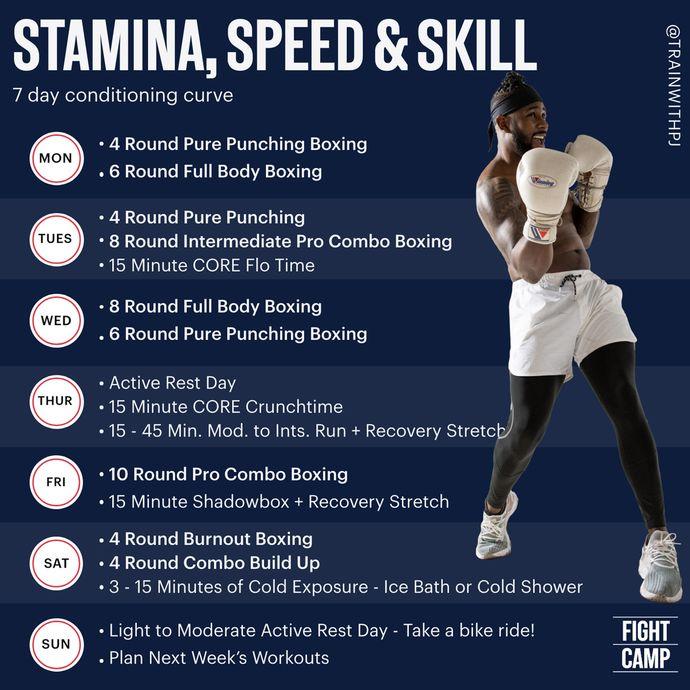
Incorporating a balanced approach means also focusing on flexibility and recovery. Ensure to include dynamic stretches before workouts and static stretches afterward to prevent injuries and enhance mobility. You can maintain a weekly schedule as depicted in the table below, taking care to vary the intensity and focus areas:
| Day | Focus | Duration |
|---|---|---|
| Monday | Technical Training | 60 mins |
| Tuesday | Strength Training | 45 mins |
| Wednesday | Cardio & Endurance | 30 mins |
| Thursday | Rest & Recovery | – |
| Friday | Mixed Sparring | 60 mins |
| Saturday | Agility & Footwork | 30 mins |
| Sunday | Active Recovery | – |
Incorporating Sparring and Drills for Practical Application and Progress Tracking
Incorporating sparring and drills into your boxing workouts not only enhances your fighting skills but also serves as a practical method for tracking your progress. Sparring provides a realistic environment where you can implement technique, improve reflexes, and develop strategic thinking under pressure. During these sessions, focus on specific elements such as footwork, timing, and distance management. Pair sparring with targeted drills that concentrate on weaknesses identified in your performance. This combination will result in a balanced progression of both technical skills and physical conditioning.
To effectively monitor your development, consider maintaining a training log that tracks key metrics during sparring and drills. Create a simple table to record information such as the duration of each session, number of rounds sparred, and specific skills practiced. This will allow you to visualize your progress over time and make informed decisions about adjustments to your training. For instance, after assessing your data, you might notice improvements in stamina but a need for better defense strategies, guiding your focus in subsequent training sessions.
| Training Session | Duration (minutes) | Rounds Sparred | Skills Practiced |
|---|---|---|---|
| Session 1 | 60 | 6 | Footwork, Jab |
| Session 2 | 45 | 4 | Defense, Hook |
| Session 3 | 50 | 5 | Combos, Counter Punching |
Future Outlook
incorporating effective boxing workouts into your fitness regimen not only enhances physical conditioning but also facilitates skill development. The combination of strength, speed, agility, and endurance gained through boxing training makes it a comprehensive workout suitable for individuals of all fitness levels. By focusing on specific goals, such as improving technique, boosting cardiovascular health, or increasing overall strength, practitioners can tailor their boxing routines to meet personal objectives. Whether you are a seasoned boxer or a beginner, the diverse range of exercises and drills available can help elevate your fitness journey while honing essential boxing skills. Adopting a consistent training routine can lead to significant improvements in both physical fitness and boxing proficiency.