


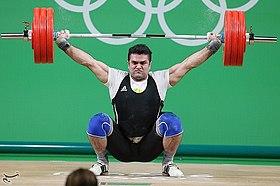
In a world where physical transformation meets mental resilience, weightlifting stands as a testament to human potential. It is a dance between muscle and mind—a harmonious blend of art and science that transcends mere physicality. Each lift tells a story of dedication, discipline, and desire, echoing the relentless pursuit of improvement that defines athletes and casual lifters alike. This article invites you to explore the multifaceted realm of weightlifting, delving into its historical roots, the physiological marvels it unveils, and the psychological fortitude it demands. From the intricate biomechanics of a deadlift to the rhythmic flow of a clean and press, we will unravel the principles that govern this transformative discipline, challenging you to lift beyond your limits, both in the gym and in life itself. Join us on a journey that celebrates the artistry of the lift as much as the science that supports it.
Table of Contents
- The Foundations of Strength: Understanding Weightlifting Techniques
- The Role of Nutrition in Maximizing Performance and Recovery
- Building a Personalized Training Regimen for Enduring Growth
- Psychological Strategies for Overcoming Mental Barriers in Weightlifting
- To Wrap It Up
The Foundations of Strength: Understanding Weightlifting Techniques
Weightlifting is an intricate dance between body mechanics and mental fortitude, requiring a deep understanding of various techniques to harness one’s full potential. At the core of effective weightlifting lies a mastery of key movements. These movements include the squat, deadlift, and bench press, each demanding precision and a solid foundation. Proper foot placement, grip, and back alignment are essential to cultivate strength efficiently while reducing the risk of injury. Engaging the core acts as a natural brace, enhancing overall stability and allowing for safe, maximum effort during lifts.
Understanding individual lifting styles can further amplify performance outcomes. Here are three widely adopted techniques that every lifter ought to consider:
- Conventional Lift: A foundational approach emphasizing proper form and muscle engagement.
- Olympic Lift: A dynamic technique requiring speed and agility, ideal for athletes seeking explosive power.
- Powerlifting: Focused on maximizing strength in the three main lifts, fostering a competitive edge.
| Technique | Main Focus | Ideal For |
|---|---|---|
| Conventional Lift | Stability and Muscle Control | Beginner Lifters |
| Olympic Lift | Speed and Power | Competitive Athletes |
| Powerlifting | Maximum Strength | Strength Competitors |
The Role of Nutrition in Maximizing Performance and Recovery
In the pursuit of exceptional strength and endurance, nutrition serves as the vital foundation that anchors an athlete’s performance potential. Fueling the body with the right combination of macronutrients—carbohydrates, proteins, and fats—ensures optimal energy levels, muscle function, and recovery time. Each of these macronutrients plays a distinct role:
- Carbohydrates: The primary energy source, essential for stamina during workouts.
- Proteins: Crucial for muscle repair and growth, aiding in the recovery process after intense training.
- Fats: An important energy source, particularly during longer sessions and low-intensity activities.
Incorporating nutrient-dense foods into a balanced diet can significantly enhance training outcomes. A well-timed intake of these nutrients can lead to impressive gains in both performance and recovery. For athletes looking to boost their strength training results, consider the following table of functional foods that cater to the body’s needs:
| Food | Nutritional Benefit |
|---|---|
| Quinoa | Complete protein with essential amino acids |
| Salmon | Rich in omega-3 fatty acids for inflammation reduction |
| Bananas | High in potassium, perfect for muscle cramps |
| Greek Yogurt | Probiotic-rich for gut health and muscle repair |
Building a Personalized Training Regimen for Enduring Growth
Creating a tailored training regimen is essential for anyone serious about lifting and achieving long-term growth. By understanding your body, fitness levels, and goals, you can craft a program that not only pushes your limits but also accommodates your personal needs. Key components of your regimen should include:
- Goals: Define what you want to achieve, be it strength, endurance, or hypertrophy.
- Assessment: Regularly evaluate your progress to adjust your routine accordingly.
- Variability: Keep your workouts dynamic with various techniques such as supersets, drop sets, and circuit training.
- Recovery: Schedule rest days and incorporate active recovery to prevent injuries.
- Nutrition: Fuel your body with the right macronutrients to support muscle growth and repair.
As you construct your regimen, consider integrating a structured program that reflects your unique rhythm and responds to your body’s signals. A simple yet effective way to track your workouts and progress is by using a training log. Below is a table that highlights a sample weekly training plan:
| Day | Focus | Exercises |
|---|---|---|
| Monday | Upper Body | Bench Press, Rows, Shoulder Press |
| Wednesday | Lower Body | Squats, Deadlifts, Lunges |
| Friday | Core & Conditioning | Planks, Burpees, Kettlebell Swings |
This regimen can serve as a foundation that you adapt as your goals evolve, ensuring continual progress and revitalizing your interest in weightlifting. Listen to your body, and don’t hesitate to modify the plan to find what works best for you. True growth stems not just from lifting heavier but from lifting smarter.
Psychological Strategies for Overcoming Mental Barriers in Weightlifting
To break through mental barriers in weightlifting, a combination of visualization techniques and positive reinforcement can significantly boost performance. Athletes can benefit from creating a mental image of themselves achieving their lifting goals. This conjured reality strengthens neural pathways, allowing for improved focus and decreased anxiety during actual lifts. Additionally, incorporating a method of self-affirmation—such as repeating empowering phrases before a lift—can enhance confidence and resilience. Techniques to implement include:
- Visualization Exercises: Spend time imagining successful lifts in detail.
- Positive Self-Talk: Develop a set of motivational phrases tailored to uplift your spirit.
- Breathing Techniques: Use controlled breathing to reduce adrenaline spikes during lifts.
Moreover, establishing a routine that incorporates mental rehearsal can foster familiarity and comfort with various lifts. Athletes are encouraged to practice lifting in their minds before hitting the gym, reinforcing muscle memory without physical strain. To optimize the psychological aspect of training, consider tracking progress in a performance journal, noting not only physical achievements but also the mindset during workouts. Effective strategies might include:
| Psychological Strategy | Effects on Performance |
|---|---|
| Visualization | Improves focus and reduces anxiety |
| Positive Self-Talk | Increases confidence and motivation |
| Mindfulness | Enhances present moment awareness |
To Wrap It Up
As we conclude our exploration of “,” we find ourselves at the intersection of physical prowess and profound understanding. Weightlifting transcends mere muscle and movement; it is a unique blend of discipline, strategy, and self-discovery. Each lift carries with it a story of dedication and resilience, shaping not just the body but the very essence of determination within us.
As we move forward, may we embrace the lessons learned from the barbell—the power of endurance in the face of struggle, the importance of technique and form, and the necessity of rest and recovery. Whether an experienced athlete or a curious beginner, the journey of weightlifting offers something for everyone: a pathway to personal growth and a testament to the human spirit’s capacity to push boundaries.
In lifting beyond limits, we do more than build strength; we craft our identity, challenge our perceptions, and connect with a community driven by shared aspirations. So, as you step into your next training session, remember that every weight hoisted is a testament to your journey, a nod to the science that informs your practice, and an art form that celebrates the body’s potential.
Let us continue to lift, not just for ourselves, but for the limitless possibilities that lie ahead. The barbell awaits; may your journey in weightlifting inspire both you and those around you to reach new heights.