


In an age where dietary choices reflect our values, environmental concerns, and health aspirations, vegetarianism stands as a compelling and increasingly popular option. The world of vegetarian diets is rich and diverse, encompassing a spectrum of philosophies and practices that cater to individual lifestyles and ethical considerations. Whether motivated by a desire to promote animal welfare, reduce one’s carbon footprint, or simply embrace a more vibrant way of eating, countless people are turning to plant-based meals. From hearty lentil stews to colorful vegetable stir-fries, vegetarian cuisine invites a world of flavors and nutrients, inviting us to rethink our plates and nourish our bodies. This article delves into the intricacies of vegetarian diets, exploring their benefits, common misconceptions, and the balanced choices that can make this journey not only nutritious but also delightful. Join us as we navigate through the principles and possibilities that define vegetarian living in today’s culinary landscape.
Table of Contents
- Understanding the Foundations of Vegetarian Diets
- Nutritional Benefits and Considerations for Every Lifestyle
- Diverse Culinary Creations: Exploring Plant-Based Alternatives
- Practical Tips for Transitioning to a Balanced Vegetarian Diet
- Future Outlook
Understanding the Foundations of Vegetarian Diets
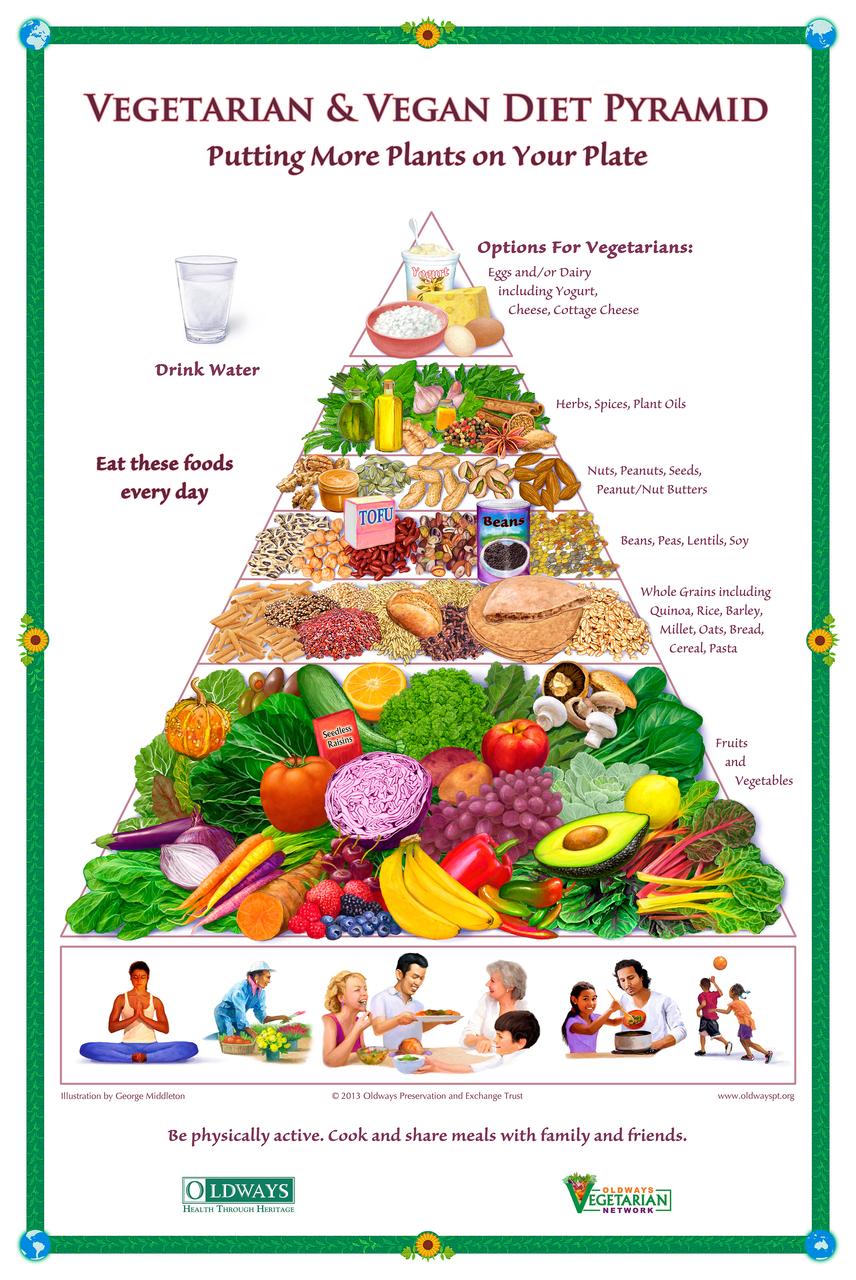
At the core of vegetarian diets lies a profound commitment to health, sustainability, and ethical eating. By consciously choosing to eliminate meat, many individuals find themselves exploring a diverse array of plant-based foods, rich in nutrients and flavor. Common components of a vegetarian diet include:
- Fruits and Vegetables: Packaged with vitamins, minerals, and antioxidants.
- Whole Grains: Excellent sources of fiber and energy, such as quinoa, brown rice, and oats.
- Nuts and Seeds: Provide healthy fats and proteins that support muscle and brain function.
- Dairy or Dairy Alternatives: Depending on the type of vegetarianism, options include milk, yogurt, and plant-based alternatives.
- Legumes and Pulses: Lentils, beans, and peas are fantastic protein sources, essential for a balanced meal.
Understanding the different vegetarian classifications can further enhance one’s dietary experience. These may include:
| Type of Vegetarian | Dietary Restrictions |
|---|---|
| Lacto-vegetarian | Dairy products allowed; no eggs. |
| Ovo-vegetarian | Eggs allowed; no dairy products. |
| Vegan | No animal products whatsoever. |
| Flexitarian | Mainly plant-based but occasionally includes meat. |
The choice of adopting a vegetarian diet can bring about numerous health benefits, including reduced risk of chronic diseases, improved digestion, and enhanced weight management. However, it is vital to ensure that essential nutrients such as protein, iron, calcium, and vitamin B12 are adequately sourced to maintain overall health. By embracing a balanced vegetarian lifestyle, individuals can foster not only personal well-being but also contribute to a more sustainable planet.
Nutritional Benefits and Considerations for Every Lifestyle
The vegetarian diet offers a myriad of nutritional benefits that can cater to various lifestyle choices, whether you are an athlete, a busy professional, or someone seeking a healthier lifestyle. By focusing on whole foods like fruits, vegetables, grains, legumes, and nuts, vegetarians can enjoy a rich array of nutrients. Key benefits include:
- High Fiber Intake: Vegetarians typically consume a higher amount of dietary fiber, which aids digestion and promotes gut health.
- Lower Cholesterol Levels: Plant-based diets tend to be lower in saturated fats, which can help maintain healthy cholesterol levels.
- Vitamins and Minerals: A diverse diet rich in vegetables provides essential vitamins (like Vitamin C and A) and minerals (such as iron and calcium).
- Weight Management: A vegetarian diet is often lower in calories, which can assist in maintaining a healthy weight.
However, it is crucial for individuals to consider their specific dietary needs when adopting a vegetarian lifestyle. Certain nutrients, such as Vitamin B12, Omega-3 fatty acids, and iron, may be less abundant or more challenging to obtain through plant-based sources. Supplementation or careful planning can address potential deficiencies. Below is a simple overview of essential nutrients to monitor:
| Nutrient | Source for Vegetarians | Considerations |
|---|---|---|
| Vitamin B12 | Fortified cereals, nutritional yeast | May require supplementation |
| Iron | Beans, lentils, tofu, spinach | Pair with Vitamin C for better absorption |
| Omega-3 | Chia seeds, flaxseeds, walnuts | Consider algal oil supplements |
Diverse Culinary Creations: Exploring Plant-Based Alternatives
In the vibrant landscape of culinary arts, plant-based alternatives are transforming traditional dishes into exciting, nutritious options. Chefs and home cooks alike are experimenting with ingredients that bring a burst of flavor and health benefits to the table. From inducing depth with mushroom-based sauces to recreating creamy textures using avocado or cashew blends, these innovations challenge the notion that vegetarian meals are dull or lacking in variety. Consider the versatility of legumes and grains, which can be blended, mashed, or formed into patties, offering fantastic sources of protein while tantalizing the taste buds.
There’s a burgeoning trend in reallocating meat-derived classics and turning them into delightful plant-based versions. Take a look at these mouthwatering transformations:
| Classic Dish | Plant-Based Alternative |
|---|---|
| Beef Burgers | Black Bean Quinoa Burgers |
| Chicken Parmesan | Eggplant Parmesan |
| Creamy Alfredo Pasta | Cashew Cream Pasta |
| Fish Tacos | Cauliflower Tacos |
Risks of monotony are being minimized as the culinary community dives into the treasure chest of spices and herbs available, which can elevate even simple ingredients to gourmet levels. Furthermore, advancements in food technology are creating convincing meat alternatives, such as jackfruit and tempeh, which serve as perfect meat substitutes in many recipes. By embracing these ingredients, we not only discover new flavors but also contribute positively to the environment and personal health.
Practical Tips for Transitioning to a Balanced Vegetarian Diet
Transitioning to a vegetarian diet can feel overwhelming, but making small, manageable changes can lead to a sustainable and enjoyable lifestyle. Start by gradually incorporating more plant-based meals into your week. Consider dedicating a few days each week to vegetarianism—what is now popularly dubbed as “Meatless Mondays” can be a great starting point. Focus on exploring a variety of nutrient-dense foods like legumes, whole grains, nuts, seeds, and a colorful assortment of vegetables and fruits. These foods provide essential proteins, healthy fats, and an abundance of vitamins and minerals that will fuel your body effectively.
In addition, it’s important to ensure your diet is balanced. Familiarize yourself with essential nutrients typically obtained from animal products, such as iron, calcium, and vitamin B12. Here are a few tips to ensure you meet your nutritional needs:
| Nutrient | Plant-Based Sources |
|---|---|
| Iron | Lentils, chickpeas, quinoa, dark chocolate |
| Calcium | Bok choy, almonds, fortified plant milks, tofu |
| Vitamin B12 | Fortified cereals, nutritional yeast, B12 supplements |
Experimenting with new recipes can also keep your transition enjoyable. Visit local markets to discover in-season vegetables or join a cooking class focused on vegetarian cuisine. This approach not only enhances your culinary skills but also fosters a connection to the food you consume, promoting mindfulness in your dietary choices.
Future Outlook
As we conclude our exploration of vegetarian diets, it’s clear that this lifestyle option is more than just a dietary choice—it’s a journey into a world of flavors, health benefits, and ethical considerations. Embracing a vegetarian diet opens doors to a diverse array of foods that nourish the body while promoting environmental sustainability. While the transition may seem daunting, remember that each small step contributes to a larger impact, allowing individuals to align their eating habits with their personal values.
Whether you’re motivated by health, ethics, or simply the desire to try something new, a balanced vegetarian diet offers countless possibilities for creativity in the kitchen and autonomy over your health journey. As you embark on or continue this path, may you discover the joys of vibrant vegetables, hearty grains, and the rich tapestry of plant-based cuisine. In the words of the famous food writer, “Food is not just fuel, it’s an experience.” Enjoy every bite of the adventure ahead.