


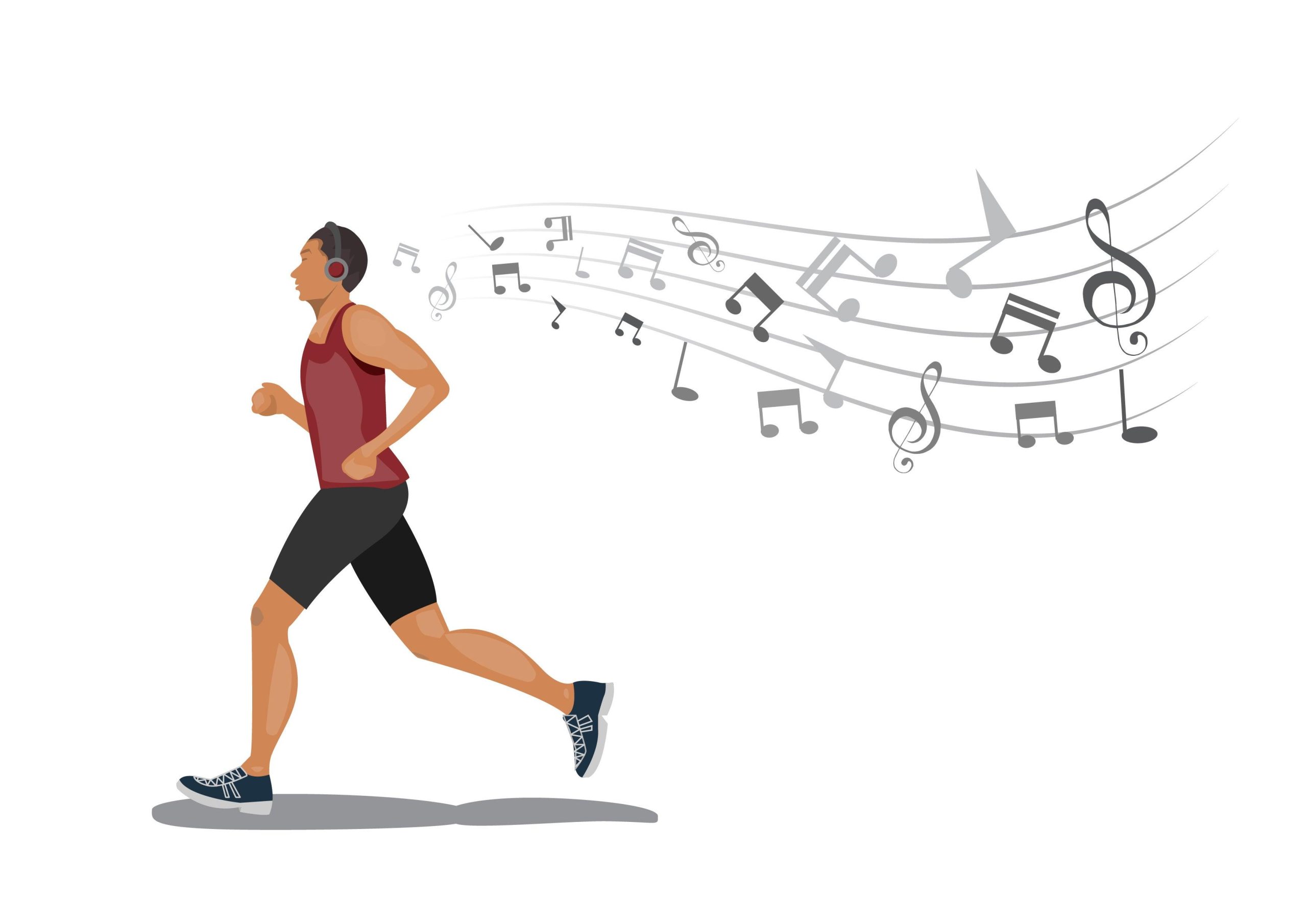
In the rhythmic pulse of a heart, there lies a remarkable connection between emotion and movement, one that transcends mere biology. As the world of fitness embraces the harmony of physical exertion and auditory stimulation, an intriguing phenomenon unfolds: music not only entertains but also propels us toward peak performance. “” delves into the intricate interplay between uplifting melodies and the cadence of our workouts. From the infectious beats that encourage us to push harder to the soothing harmonies that help us find our pace, this article explores how sound can alter our cardiovascular landscape, enhance our endurance, and transform our relationship with exercise. Join us on a journey through the science of sound and sweat, where each note has the potential to inspire a surge of energy and elevate our physical capabilities to new heights.
Table of Contents
- How Rhythm Revolutionizes Workout Routines
- The Science of Sound: Understanding Musics Role in Heart Rate Dynamics
- Curating Your Ultimate Playlists for Maximum Cardio Gains
- Mindful Melodies: The Psychological Benefits of Music During Exercise
- Concluding Remarks
How Rhythm Revolutionizes Workout Routines
In the realm of fitness, the synergy between rhythm and movement can be a game-changer. When you sync your workouts with music, the tempo not only influences your pace but also enhances motivation and endurance. The heartbeat of a powerful track can drive individuals to push past their perceived limits. Rhythmic stimulation acts as a catalyst, encouraging participants to maintain a steady cadence in activities such as running, cycling, or high-intensity interval training (HIIT). This natural pairing creates a harmonious flow, where beats become a backdrop to the physical exertion, turning an ordinary workout into an exhilarating experience.
A well-curated playlist offers more than just sound; it has the potential to become a personal rhythm coach. Here are some benefits that music brings to workout routines:
- Enhanced Endurance: Upbeat tempos can distract from physical discomfort, allowing for longer sessions.
- Improved Coordination: Following the beat helps in synchronizing movements, which is particularly beneficial in dance or dynamic exercises.
- Boosted Mood: Music releases dopamine, enhancing feelings of pleasure during workouts.
- Increased Motivation: Catchy hooks and inspiring lyrics can spur on determination, pushing you to achieve greater goals.
Integrating rhythm into cardio routines can also transform visual spaces within the gym. Consider designing an environment conducive to immersive audio experiences:
| Workout Type | Ideal Music Tempo (BPM) | Recommended Genres |
|---|---|---|
| Running | 120-145 | Pop, Electronic |
| Cycling | 130-150 | Rock, Dance |
| HIIT | 140-160 | Hip-Hop, EDM |
This table underscores how specific music characteristics can align with workout types, ultimately revolutionizing the entire exercise experience through the power of rhythm.
The Science of Sound: Understanding Musics Role in Heart Rate Dynamics
Music serves as a powerful tool for influencing physiological responses, particularly in the realm of heart rate dynamics. Numerous studies have demonstrated that auditory stimuli, such as music, can alter heart rate through mechanisms involving the autonomic nervous system. When we listen to music, our body responds by releasing neurotransmitters like dopamine and serotonin, which can lead to an increase in heart rate and improved circulation. This phenomenon is especially significant during physical activity, where rhythmic beats can synchronize with our movements, enhancing cardiovascular performance.
Incorporating music into workout routines not only elevates mood and motivation but also optimizes workout intensity. The tempo of the music can dictate the pace of exercise, guiding individuals to push harder during high-energy segments while promoting recovery during slower, melodic interludes. Some of the key influences of music on heart rate dynamics include:
- Beats per Minute (BPM): Faster tempos can lead to an increased heart rate.
- Genre Preference: Personal taste can enhance emotional engagement, leading to physiological changes.
- Volume Levels: Louder music typically correlates with heightened adrenaline and increased heart rates.
Research supports that specific types of music can create a harmonious environment conducive to optimal cardiovascular output. A recent study outlined the relationship between different genres and heart rate modulation, providing compelling evidence of music’s impact on workout efficiency:
| Genre | Recommended BPM | Effect on Heart Rate |
|---|---|---|
| Pop | 120-140 | Increases energy and motivation |
| Rock | 130-150 | Enhances performance and endurance |
| Classical | 60-80 | Promotes relaxation and recovery |
Curating Your Ultimate Playlists for Maximum Cardio Gains
When it comes to maximizing your cardio gains, curating the perfect playlist can transform your workout experience. Select tracks that not only elevate your heart rate but also encourage you to push through the toughest moments. Consider the following suggestions to create your ultimate playlist:
- Upbeat Tempos: Choose songs with a tempo between 120-140 BPM; they’re great for maintaining high energy.
- Motivational Lyrics: Look for songs that inspire and motivate; think anthems that make you feel unstoppable.
- Varied Genres: Mix genres to keep things fresh—pop, rock, hip-hop, and electronic can all provide a great workout vibe.
- Personal Favorites: Include songs that hold personal significance; emotional connections can boost performance.
To add even more excitement to your playlist, consider the structure of your workout. Start with high-energy tracks for warm-ups and gradually transition into intense beats during your peak cardio intervals. Here’s a simple template for organizing your playlist:
| Segment | Suggested BPM | Type of Track |
|---|---|---|
| Warm-Up | 100-120 | Chill Beats |
| Steady-State | 120-130 | Upbeat Pop |
| Interval Sprints | 140-160 | High-Energy Anthems |
| Cooldown | 90-100 | Smooth Melodies |
Mindful Melodies: The Psychological Benefits of Music During Exercise
Music has an unparalleled ability to evoke emotions and enhance our experiences, especially when paired with physical activity. The invigorating rush of a powerful beat can transform a mundane workout into a euphoric journey. Listeners often find that music helps to improve their mood, which can lead to increased motivation and endurance during cardio sessions. This emotional uplift occurs due to the release of endorphins and other neurotransmitters in the brain, creating a feeling of happiness and reducing perceived exertion. As such, choosing the right playlist can make all the difference in how we perceive our workout efforts.
Furthermore, the rhythm of music has a way of synchronizing with our body’s movements, creating a seamless harmony that can enhance physical performance. There’s a phenomenon known as entrainment, where the body naturally aligns its movements to the tempo of the music, promoting better coordination and efficiency. This effect can lead to improved exercise outcomes, as shown in various studies highlighting significant increases in pace and intensity. For many, music serves not merely as background noise but as a motivational tool that ignites passion and drive. In this context, optimizing your personal soundtrack can be a game changer.
Concluding Remarks
As we reach the final notes of our exploration into the vibrant synergy between music and cardio performance, it becomes clear that the rhythms we choose can do more than just fill our ears—they can elevate our entire workout experience. Whether it’s the pulsing beats that propel us through a tough mile or the calming melodies that soothe our minds post-run, music stands as a timeless ally in the pursuit of fitness.
In a world where every heartbeat counts, we now understand that our playlists can be powerful motivators, shaping not only our physical capabilities but also our emotional resilience. As you lace up your sneakers for your next cardio session, consider the soundtrack that will accompany you. Remember, each note has the potential to enhance endurance and transform effort into exhilaration.
So, choose your anthems wisely, and let the sounds guide you towards your personal best. In the dance between sound and motion, every heartbeat syncs to a greater rhythm—a rhythm that celebrates the power of music in our journey to health and vitality. Keep moving, keep listening, and let the beat of your heart inspire every step of the way.