


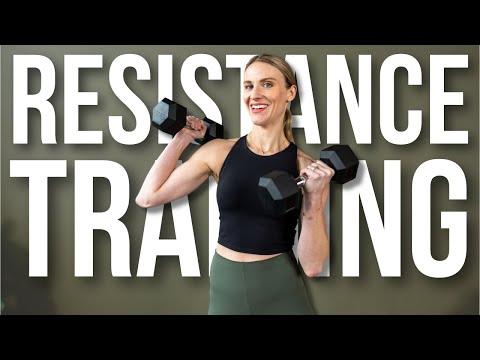
In a world where physical fitness often trends toward fleeting fads and quick fixes, the enduring roots of resistance training emerge as a steadfast pillar of strength and health. “” invites you on a journey to explore the profound impact that this ancient practice can have on our bodies and minds. Whether you’re a seasoned athlete or a reluctant beginner, the principles of resistance training offer a pathway to not only transform your physical capabilities but also cultivate resilience within. Join us as we delve into the science, benefits, and transformative stories that highlight resistance training’s ability to empower individuals, reshape physiques, and unlock strength from within.
Table of Contents
- The Science Behind Resistance Training and Muscle Growth
- Building a Balanced Routine: Integrating Resistance Training into Your Lifestyle
- Navigating Common Misconceptions: Debunking Myths About Strength Training
- Enhancing Performance and Longevity: The Holistic Benefits of Resistance Exercises
- In Conclusion
The Science Behind Resistance Training and Muscle Growth
The remarkable effects of resistance training on muscle growth stem from a complex interplay of physiological processes. When you engage in resistance exercises, you’re subjecting your muscles to increasing levels of tension. This tension initiates a series of biochemical reactions that stimulate muscle fibers to adapt by increasing their size and strength. Key components of this process include:
- Muscle Microtrauma: The stress of lifting weights causes small tears in muscle fibers.
- Protein Synthesis: Your body repairs these microtears, resulting in bigger and stronger muscles.
- Hormonal Response: Resistance training prompts the release of growth hormones and testosterone, essential for muscle repair and growth.
A pivotal aspect of this growth is the principle of progressive overload. This principle emphasizes gradually increasing the weight, intensity, or volume of your workouts to push your muscles beyond their comfort zone. Additionally, incorporating varying rep ranges and training techniques can further enhance results. A simple overview of effective variables in a resistance training program might look as follows:
| Training Variable | Recommended Ranges |
|---|---|
| Repetitions | 6-12 for hypertrophy |
| Intensity (% of 1RM) | 65%-85% |
| Sets | 3-5 per exercise |
| Rest Rounds | 60-90 seconds |
Building a Balanced Routine: Integrating Resistance Training into Your Lifestyle
Incorporating resistance training into your daily life doesn’t have to feel like an arduous task. By strategically weaving workouts into your existing schedule, you can transform mundane moments into opportunities for strength building. Consider these simple yet effective strategies:
- Start Small: Aim for 15-20 minutes of resistance exercises a few times a week to avoid overwhelming yourself.
- Use Everyday Objects: Engage with items around your home, such as water bottles or bags of rice, to create resistance while performing various exercises.
- Combine Workouts with Social Time: Invite friends for a group workout or a fun fitness class, merging your social life with health pursuits.
Consistency is key when integrating resistance training into your lifestyle. Creating a schedule and sticking to it can give you the best chances for habit formation. A simple weekly outline can keep you focused and efficient. Here’s a concise breakdown:
| Day | Activity | Duration |
|---|---|---|
| Monday | Upper Body Strength | 20 mins |
| Wednesday | Lower Body Focus | 20 mins |
| Friday | Full Body Circuit | 30 mins |
Navigating Common Misconceptions: Debunking Myths About Strength Training
When it comes to strength training, many people are bogged down by a series of persistent myths that can hinder their progress and deter them from harnessing the full potential of resistance training. One prevalent belief is that lifting weights will inevitably lead to a bulky physique. This misconception is particularly common among women, who often fear that engaging in strength training will make them appear overly muscular. In reality, building substantial muscle mass requires a rigorous combination of specific training techniques and nutritional strategies. For most individuals, resistance training will instead lead to a toned, lean appearance while enhancing overall strength and functional fitness.
Another myth frequently encountered is that strength training is only for young people or serious athletes. This could not be further from the truth, as resistance training offers substantial benefits across all age groups. Older adults can significantly improve their balance, bone density, and overall quality of life through regular strength training. Meanwhile, newcomers to fitness may find that incorporating resistance workouts into their routine helps them build a solid foundation for more advanced exercises. To clarify the benefits, here’s a quick comparison:
| Age Group | Benefits of Strength Training |
|---|---|
| Teens | Promotes healthy growth and development, builds confidence. |
| Adults | Enhances metabolism, supports weight management. |
| Seniors | Improves balance, increases independence, reduces injury risk. |
Enhancing Performance and Longevity: The Holistic Benefits of Resistance Exercises
Resistance exercises are not just about building muscle; they are a gateway to a myriad of holistic benefits that promote both performance and longevity. Engaging in regular resistance training can lead to significant improvements in functional strength and overall physical capability, which translates to enhanced daily performance activities. Individuals can experience better balance, coordination, and agility as they strengthen their muscles and joints. This proactive approach to fitness also helps in boosting metabolism, making it easier to maintain a healthy weight and reducing the risk of chronic ailments.
Moreover, the mental and emotional advantages of resistance training are profound. Many people report improved mood and decreased anxiety following workouts, thanks to the release of endorphins during physical activity. Resistance exercises foster a sense of accomplishment as individuals progress in their routines, setting the stage for heightened self-esteem and motivation. Key benefits include:
- Increased Bone Density: Enhances skeletal strength, reducing the risk of osteoporosis.
- Improved Insulin Sensitivity: Aids in blood sugar regulation and enhances metabolic health.
- Enhanced Joint Stability: Supports joint health, leading to reduced discomfort and risk of injury.
| Benefit | Description |
|---|---|
| Heart Health | Strength training contributes to improved cardiovascular function. |
| Flexibility | Can improve range of motion when coupled with stretching. |
| Enhanced Quality of Life | Encourages independence by improving mobility. |
In Conclusion
As we conclude our exploration of “”, it’s clear that this practice extends far beyond the confines of the gym. Resistance training not only sculpts our bodies but also fortifies our minds, builds resilience, and empowers us to tackle life’s challenges with confidence. Whether you are a seasoned athlete or a hesitant beginner, the journey toward enhanced strength is one characterized by progress, patience, and profound self-discovery.
Embracing resistance training could very well be the key to unlocking a healthier, more vibrant version of yourself. So, as you step off the page and back into your daily routine, consider how you might integrate this powerful tool into your life. Remember, every rep is a testament to your commitment, and every drop of sweat is a step toward a stronger you. The power is in your hands—let it propel you forward on your path to wellness.