


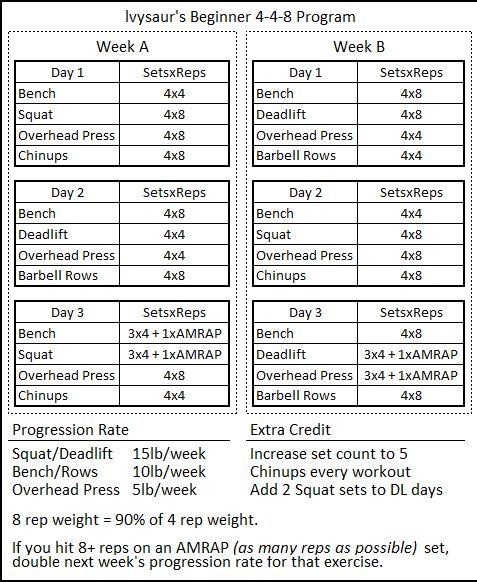
In a world where physical fitness often takes on myriad forms, there emerges a discipline that brings the pursuit of strength to its rawest and most powerful essence—powerlifting. This sport, centered around three core lifts: the squat, bench press, and deadlift, not only challenges the body but also fortifies the mind. Whether you are an aspiring athlete seeking to break personal records or a fitness enthusiast aiming to explore new dimensions of strength training, embarking on a powerlifting journey promises profound rewards.
In this comprehensive program, we aim to demystify the intricacies of powerlifting, guide you through each step of training, and equip you with the tools necessary to unlock your ultimate potential. From understanding the mechanics of each lift to devising a structured regimen tailored to your goals, this article serves as your roadmap to harnessing the extraordinary capabilities of your body. Prepare to delve into the world of powerlifting, where every rep is a testament to perseverance, discipline, and the unyielding spirit of strength. Let us guide you on the path to not just lifting weights, but elevating yourself.
Table of Contents
- Understanding the Foundations of Powerlifting Technique
- Building Muscle and Strength Through Effective Training Cycles
- Nutrition and Recovery Strategies for Optimal Performance
- Mindset and Motivation: Cultivating Resilience in Your Powerlifting Journey
- The Conclusion
Understanding the Foundations of Powerlifting Technique
Powerlifting is not merely about brute strength; it is a complex interplay of technique, biomechanics, and mental fortitude. To truly unlock your potential, one must grasp the fundamentals that govern each lift: the squat, bench press, and deadlift. Mastering these movements begins with understanding the joint angles, muscle activation, and force production required for optimal performance. Focus on developing a strong base with a robust setup, ensuring that your feet are positioned correctly and your grip is secure before every lift. Each component plays a crucial role in maximizing your efficiency, which ultimately translates to increased weights on the bar.
To further refine your technique, consider these essential tips:
- Practice with precision: Slow down your lifts during training to focus on perfecting your form.
- Engage your core: A strong core stabilizes your body and helps maintain proper alignment.
- Incorporate video analysis: Record your lifts to visually identify areas for improvement.
- Seek constructive feedback: Surround yourself with a knowledgeable training community for insights and support.
Understanding the nuances of lifting can be further aided by tracking progress through a structured approach. Below is a simple table highlighting effective techniques and their desired outcomes:
| Technique | Outcome |
|---|---|
| Feet Alignment | Increased stability during lifts |
| Grip Width | Optimal power transfer |
| Breathing Techniques | Enhanced bracing and focus |
Building Muscle and Strength Through Effective Training Cycles
To achieve optimal muscle growth and strength, it is essential to structure your training in distinct cycles that emphasize progress and recovery. Periodization is a powerful strategy that involves dividing your training into phases, each with specific goals, such as hypertrophy, strength, and peaking. This method not only enhances performance but also minimizes the risk of injury by allowing muscles and joints adequate time to recover. During the hypertrophy phase, focus on higher repetitions with moderate weights to induce muscle growth, while the strength phase shifts attention to lower repetitions with heavier weights, enhancing neural adaptations.
Incorporating deload weeks is crucial to this process. These weeks are dedicated to reducing training intensity and volume, permitting your body to recover fully and adapt to the stresses it has faced. Here’s a simple breakdown of a typical training cycle:
| Phase | Duration (Weeks) | Focus |
|---|---|---|
| Hypertrophy | 4-6 | Muscle Growth |
| Strength | 3-5 | Increased Load |
| Peaking | 2-3 | Maximal Output |
| Deload | 1 | Recovery |
In each phase, be sure to engage with additional support exercises targeting weak points and promoting overall stability. These complementary movements can significantly contribute to your primary lifts while fostering a well-rounded muscular development. Emphasizing proper nutrition and hydration throughout these cycles will also bolster muscle recovery, enhance performance, and help you stay focused on your strength goals.
Nutrition and Recovery Strategies for Optimal Performance
To achieve peak performance in powerlifting, focusing on nutrition is paramount. A well-rounded diet that supports both training demands and recovery processes can significantly enhance strength gains. Prioritize a balance of macronutrients: adequate protein for muscle repair, carbohydrates for energy, and healthy fats for overall health. Consider the following elements to optimize your nutrition:
- Hydration: Ensure you stay adequately hydrated to maintain optimal muscle function and recovery.
- Timing: Fuel your body with a pre-workout meal that includes complex carbohydrates and protein, and follow it up with a post-workout meal rich in protein and carbs to facilitate recovery.
- Micronutrients: Don’t forget vitamins and minerals; they play crucial roles in energy production and muscle function. Supplement as necessary based on dietary restrictions.
Equally important to nutrition is implementing effective recovery strategies. Recovery is where the true gains happen, so incorporating a variety of practices can support your journey. Focus on the following recovery methods to boost performance:
- Sleep: Aim for 7-9 hours of quality sleep per night to enhance recovery and hormonal balance.
- Active Recovery: Engage in light activities such as walking or yoga to promote blood flow and alleviate soreness.
- Mobility Work: Implement stretching and mobility exercises to improve range of motion and prevent injuries.
| Recovery Strategy | Benefits |
|---|---|
| Sleep | Improves muscle recovery and energy levels |
| Active Recovery | Reduces muscle soreness and enhances circulation |
| Mobility Work | Increases flexibility and reduces injury risk |
Mindset and Motivation: Cultivating Resilience in Your Powerlifting Journey
Embarking on a powerlifting journey is as much a mental challenge as it is a physical one. Cultivating resilience is essential; it helps you weather the inevitable ups and downs along the way. Developing a positive mindset can significantly influence your performance, allowing you to push through fatigue and frustration. Here are some strategies to help fortify your mental fortitude:
- Set Clear Goals: Define specific, measurable, attainable, relevant, and time-bound (SMART) objectives to keep your focus sharp.
- Visualize Success: Spend time visualizing your lifts and imagining yourself achieving your goals.
- Embrace Failure: Understand that setbacks are part of the process; learn from them rather than allowing them to discourage you.
- Practice Mindfulness: Engage in mindfulness or meditation to reduce anxiety and improve your concentration during training and competition.
Moreover, motivation is a relentless flame that drives your performance. To keep this flame alive, you can integrate accountability systems into your routine. Surrounding yourself with a supportive community can provide encouragement and inspiration. Consider these methods to nurture motivation:
- Train with a Partner: Find a workout buddy who shares your goals to create a sense of commitment and camaraderie.
- Celebrate Small Wins: Acknowledge and celebrate minor achievements to build momentum.
- Follow Inspirational Athletes: Keep your passion ignited by connecting with athletes who inspire you through social media or live events.
- Maintain a Training Journal: Document your lifts, successes, and lessons learned to visually track your progression and stay motivated.
The Conclusion
As we conclude our exploration of ”,” it’s essential to recognize that the journey of strength is as much about the mind as it is about the body. The disciplined regimen outlined in this program is designed not merely to enhance your lifting performance, but to cultivate resilience, focus, and the unwavering belief in your potential.
Remember, every rep contributes to a greater goal, and each challenge faced is an opportunity for growth. Whether you are a novice stepping into the world of powerlifting or an experienced lifter seeking to refine your craft, this program serves as your blueprint.
Embrace the process, celebrate your victories, and learn from setbacks. Powerlifting is not only about lifting heavy weights; it’s about unlocking the strength within you, discovering new depths of determination, and fostering a strong community. As you embark on this path, know that your journey is unique—filled with lessons that will extend far beyond the gym.
So, strap on your belt, clip in your shoes, and let the weights tell your story. Your strength awaits.