


Introduction
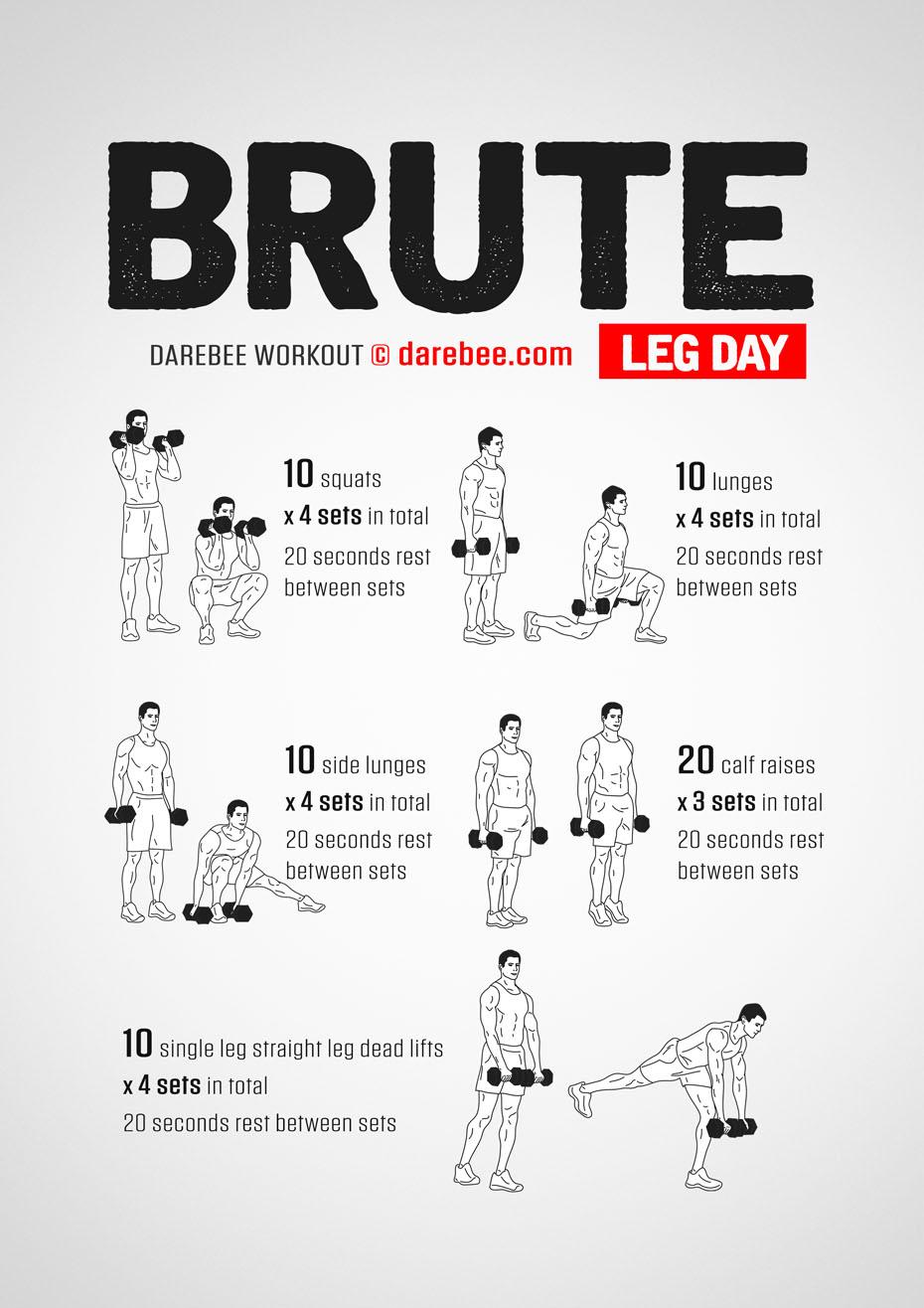
Effective leg workouts are essential for developing strength, stability, and overall physical fitness. The lower body plays a crucial role in various daily activities, athletic performance, and functional movements. This article will explore a range of exercises specifically designed to target the major muscle groups in the legs, including the quadriceps, hamstrings, glutes, and calves. By incorporating these workouts into a regular fitness routine, individuals can enhance their lower body strength, improve balance, and promote injury prevention. Whether you are a beginner or a seasoned athlete, understanding the fundamentals of leg training can provide significant benefits to your overall health and wellness.
Table of Contents
- Principles of Lower Body Strength Training
- Key Exercises for Comprehensive Leg Development
- Incorporating Flexibility and Recovery into Leg Workouts
- Nutrition Strategies to Support Lower Body Strength Gains
- Key Takeaways
Principles of Lower Body Strength Training
Building a solid foundation in lower body strength training hinges on adhering to certain principles that enhance not only muscle growth but overall functional performance. Consistency is key; regular workouts focusing on the legs lead to better outcomes over time. Furthermore, the principle of progressive overload—gradually increasing the weight or resistance used—enables continuous muscle adaptation and strength gains. Ensuring a balanced workout routine is also critical, as it promotes muscle symmetry and reduces the risk of injury. Incorporating a variety of exercises can stimulate all major muscle groups, including the quadriceps, hamstrings, glutes, and calves.
Additionally, proper technique and form cannot be overstated, as they are essential to avoid injuries and maximize effectiveness. It is important to utilize functional movements, such as squats and deadlifts, which mimic everyday activities and improve overall performance in various sports. Another vital principle is rest and recovery; muscles need time to repair and grow stronger between workouts. To further illustrate the importance of these principles, refer to the table below, which summarizes recommended exercises, their primary muscle targets, and suggested frequency:
| Exercise | Primary Muscles Targeted | Recommended Frequency (per week) |
|---|---|---|
| Squats | Quadriceps, Hamstrings, Glutes | 2-3 |
| Deadlifts | Hamstrings, Glutes, Lower Back | 1-2 |
| Lunges | Quadriceps, Glutes, Hamstrings | 2-3 |
| Calf Raises | Calves | 2-3 |
| Leg Press | Quadriceps, Glutes, Hamstrings | 1-2 |
Key Exercises for Comprehensive Leg Development
To achieve a well-rounded lower body, incorporating a variety of exercises is essential for targeting all major muscle groups. Squats stand out as a foundational movement, promoting strength in the quadriceps, hamstrings, and glutes. A few variations to consider include front squats, back squats, and goblet squats, each of which emphasizes different muscle engagement and can enhance overall power. Deadlifts, in their various forms such as conventional, sumo, and Romanian, also play a significant role in developing the posterior chain, ensuring balanced muscle growth and improved functional strength.
Furthermore, lunges provide excellent unilateral training, helping to build stability and coordination while enhancing strength in the legs. Options like walking lunges, reverse lunges, and lateral lunges can diversify your routine. To complement these compound movements, calf raises are crucial for developing the gastrocnemius and soleus muscles, which are often neglected. For a balanced approach, consider varying your rep ranges and weights across these exercises to stimulate growth effectively. Below is a brief overview of some recommended exercises and their primary focus areas:
| Exercise | Main Target |
|---|---|
| Squats | Quadriceps, Hamstrings, Glutes |
| Deadlifts | Hamstrings, Glutes, Lower Back |
| Lunges | Quadriceps, Glutes, Calves |
| Calf Raises | Calf Muscles |
Incorporating Flexibility and Recovery into Leg Workouts
Incorporating flexibility and recovery into your leg workouts is essential for achieving optimal performance and preventing injuries. By integrating stretching routines and mobility exercises into your training regimen, you can enhance your range of motion and improve the effectiveness of your strength training. Some effective methods to include are:
- Dynamic Stretching: Perform leg swings and walking lunges before your workout to warm up your muscles.
- Static Stretching: After your workout, hold stretches such as hamstring stretches and quad pulls to lengthen your muscles.
- Foam Rolling: Use a foam roller on your thighs and calves to release tension and improve blood circulation.
Recovery is just as important as the workout itself. Implementing rest days and active recovery strategies can dramatically enhance your progress. Incorporate the following into your weekly routine:
| Recovery Strategy | Description |
|---|---|
| Rest Days | Take at least one or two days off each week to allow your muscles to repair. |
| Light Activities | Engage in activities like walking or swimming to promote blood flow without straining your legs. |
| Nutrition | Consume a balanced diet rich in protein and antioxidants to support muscle recovery. |
Nutrition Strategies to Support Lower Body Strength Gains
Proper nutrition is crucial for maximizing lower body strength gains. A well-balanced diet that supports your training routine can enhance muscle recovery, fueling your body for more effective workouts. Focus on high-quality protein sources to provide the necessary amino acids for muscle repair and growth. Incorporating a variety of foods can be beneficial; consider the following options:
- Lean meats (chicken, turkey, lean beef)
- Fish (salmon, tuna, sardines)
- Plant-based proteins (beans, lentils, quinoa)
- Dairy or dairy alternatives (Greek yogurt, cottage cheese, almond milk)
In addition to protein, consuming an adequate amount of carbohydrates is essential for energy during your workouts. Complex carbohydrates provide sustained energy, allowing for optimal performance in leg exercises. Pair your protein sources with a variety of nutrient-dense carbs such as:
| Carbohydrate Sources | Benefits |
|---|---|
| Whole grains | Rich in fiber, aids digestion, and prolongs satiety |
| Fruits | Provides vitamins, antioxidants, and energy boost |
| Vegetables | Essential for overall health, packed with nutrients |
| Sweet potatoes | High in fiber and vitamin A, great pre-workout option |
Key Takeaways
incorporating effective leg workouts into your fitness routine is essential for strengthening your lower body. By targeting key muscle groups such as the quadriceps, hamstrings, calves, and glutes, you not only enhance your physical performance but also improve stability and mobility. Whether you prefer bodyweight exercises, resistance training, or a combination of both, consistency and proper form are crucial for maximizing results and minimizing the risk of injury. As you progress, consider adjusting the intensity and variety of your workouts to continually challenge your muscles. Ultimately, a well-rounded leg workout program can contribute significantly to your overall strength and functional fitness, paving the way for a more active and healthier lifestyle.