


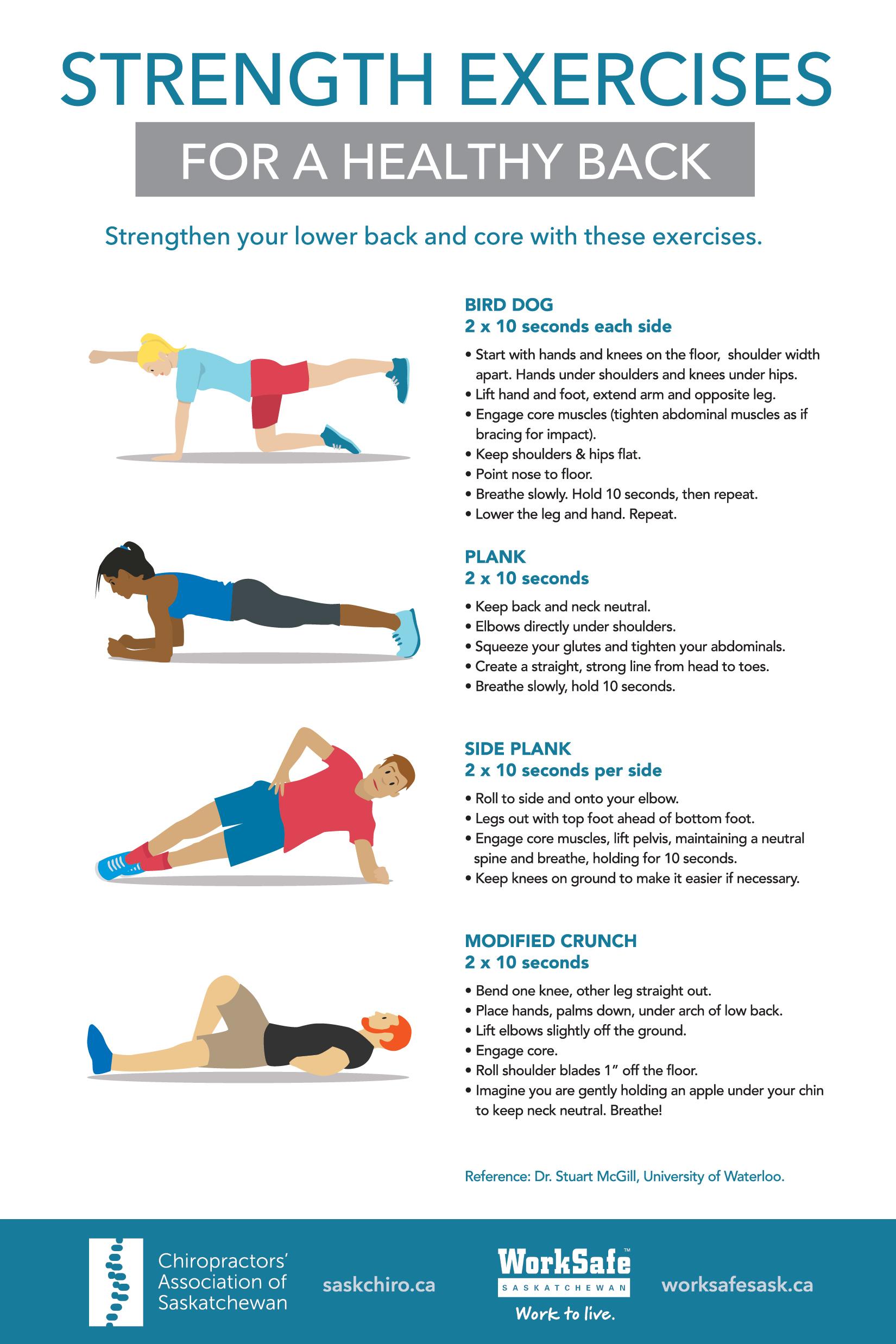
Core strength is a fundamental aspect of overall fitness that plays a critical role in athletic performance, injury prevention, and daily activities. The core, comprising muscles in the abdomen, lower back, hips, and pelvis, serves as the foundation for movement and stability. An effective workout routine designed to enhance core strength not only improves physical capacity but also supports proper posture and alignment. This article explores a variety of scientifically-backed exercises and routines that target the core region, offering practical recommendations for individuals at various fitness levels. By implementing these strategies, readers can develop a stronger core, ultimately leading to improved functional fitness and enhanced quality of life.
Table of Contents
- Benefits of Core Strength and Its Impact on Overall Fitness
- Key Exercises for Building Core Strength
- Designing a Balanced Workout Routine for Core Development
- Tips for Maintaining Proper Form and Preventing Injury
- In Summary
Benefits of Core Strength and Its Impact on Overall Fitness
Building a strong core is fundamental for anyone looking to improve their overall fitness. Core strength not only stabilizes the body but also enhances performance in various physical activities. Individuals with strong core muscles often experience improved posture, which can lead to a reduced risk of injury in everyday tasks and exercise routines. Furthermore, a solid core supports balance and coordination, enabling you to execute movements with greater efficiency. Benefits of core strength include:
- Enhanced Athletic Performance: A strong core contributes to better power and agility in sports.
- Injury Prevention: Core strength aids in maintaining proper alignment, reducing the likelihood of strains and sprains.
- Improved Posture: Core stability helps to align the spine and pelvis, promoting healthier posture.
- Support for Daily Activities: Core strength enhances the ability to perform tasks such as lifting and twisting.
Moreover, engaging in core-strengthening exercises cultivates mind-body awareness, leading to more focused workouts and a deeper connection to physical movements. This can result in improved mental clarity and body control, further translating into better overall fitness outcomes. Integrating core routines into a fitness regimen allows for development of functional strength, which is essential for both athletic performance and everyday life. Key elements of this aspect include:
| Core Exercise | Benefit |
|---|---|
| Plank | Improves stability and endurance. |
| Russian Twist | Enhances rotational strength. |
| Dead Bug | Promotes coordination and control. |
Key Exercises for Building Core Strength
Building core strength is fundamental not only for enhancing athletic performance but also for everyday movements and stability. Incorporating a variety of exercises can target different muscle groups within the core, making your routine more effective. Here are some key exercises to consider:
- Plank – A timeless classic that engages multiple core muscles simultaneously.
- Russian Twists – Great for oblique strength and improving rotational stability.
- Mountain Climbers – Combines cardio with core training to elevate heart rate while targeting abdominal muscles.
- Dead Bug – Focuses on maintaining a stable spine while moving the limbs, enhancing coordination and control.
- Glute Bridge – Activates the glutes and lower back, which are essential for overall core strength.
| Exercise | Target Muscles | Repetitions |
|---|---|---|
| Plank | Core, Shoulders | Hold for 30-60 seconds |
| Russian Twists | Obliques, Abdominals | 15-20 per side |
| Mountain Climbers | Core, Legs | 30 seconds |
| Dead Bug | Core, Hip Flexors | 10-15 per side |
| Glute Bridge | Glutes, Core | 10-15 |
Designing a Balanced Workout Routine for Core Development
To foster effective core development, it’s essential to incorporate a blend of different exercise types into your workout routine. Compound movements that engage multiple muscle groups can be particularly beneficial. Consider integrating exercises such as planks, Russian twists, and deadlifts to build overall core strength. Additionally, incorporating stability workouts using balance balls or Bosu trainers can challenge your core muscles differently, enhancing stability and coordination. Remember to focus on both dynamic and static movements to achieve a comprehensive approach.
To ensure a balanced workout schedule, it’s wise to arrange your core exercises throughout the week. Here’s a sample routine to guide your planning:
| Day | Exercise | Duration/Reps |
|---|---|---|
| Monday | Plank Variations | 3 sets of 30 seconds |
| Wednesday | Russian Twists | 3 sets of 15 reps |
| Friday | Deadlifts | 3 sets of 10 reps |
| Saturday | Bicycle Crunches | 3 sets of 20 reps |
Tips for Maintaining Proper Form and Preventing Injury
Proper form is crucial in any workout, especially when focusing on core strength. Before diving into exercises, take a moment to understand your body mechanics. Here are a few essential tips to keep in mind:
- Engage Your Core: Always tighten your core muscles before starting any movement to provide stability.
- Alignment Matters: Maintain a neutral spine position to avoid unnecessary strain on your back.
- Controlled Movements: Perform exercises slowly and deliberately to ensure you’re executing them correctly.
Injury prevention is equally important when enhancing core strength. Make sure to listen to your body and adjust your routine as needed. Consider the following practices:
- Warm-Up: Adopt a dynamic warm-up to increase blood flow to the muscles before starting your routine.
- Gradual Progression: Increase intensity or resistance gradually to avoid overloading your muscles and joints.
- Rest Days: Incorporate rest days to allow your muscles to recover and reduce the risk of overuse injuries.
In Summary
developing a strong core is essential for overall fitness and functionality in daily activities. The workout routines discussed in this article provide a variety of exercises that can effectively enhance core strength, catering to different fitness levels and preferences. Consistency and proper form are key to achieving desired results while minimizing the risk of injury. Incorporating these routines into a regular exercise regimen, along with a balanced diet and adequate rest, will contribute to improved performance in various physical pursuits. As with any fitness program, it is advisable to consult with a healthcare or fitness professional before beginning new exercises, especially for individuals with pre-existing medical conditions or concerns. By prioritizing core strength, individuals can support their overall health and enhance their physical capabilities.