


When it comes to maximizing your workout performance, the importance of proper nutrition can’t be overstated. Whether you’re hitting the gym to build strength, going for a run to improve your endurance, or attending a high-energy fitness class, what you eat can significantly impact your energy levels, recovery, and overall results. In this article, we’ll explore the essential nutrients your body needs to power through workouts effectively, the best foods to incorporate into your pre- and post-exercise meals, and practical tips to ensure you’re fueling your body for success. By understanding the relationship between nutrition and exercise, you can unlock your potential and achieve your fitness goals with confidence. Let’s dive into the essentials of fueling your workout!
Table of Contents
- Choosing the Right Macronutrients for Optimal Performance
- Hydration Strategies to Enhance Your Exercise Results
- Pre- and Post-Workout Nutrition for Maximum Gains
- Supplementing Smart: What You Need to Know
- In Summary
Choosing the Right Macronutrients for Optimal Performance
When it comes to maximizing your performance during workouts, the balance of macronutrients—carbohydrates, proteins, and fats—is crucial. Each macronutrient plays a distinct role in fueling your body and optimizing your physical potential. Carbohydrates serve as the primary energy source, providing the necessary glycogen for endurance activities. Meanwhile, proteins are essential for muscle repair and growth, making them vital after intense training sessions. Don’t overlook fats, which provide a dense energy source for longer workouts and are essential for hormone production and nutrient absorption.
To help you determine the ideal macronutrient composition for your needs, consider the following guidelines:
- Endurance Athletes: 50-65% carbohydrates, 15-20% protein, 20-30% fat
- Strength Training: 40-50% carbohydrates, 25-35% protein, 20-30% fat
- Weight Management: 45-55% carbohydrates, 25-30% protein, 20-25% fat
| Macronutrient | Function | Sources |
|---|---|---|
| Carbohydrates | Primary energy source | Whole grains, fruits, vegetables |
| Proteins | Muscle repair and growth | Lean meats, dairy, legumes |
| Fats | Energy storage and hormone regulation | Nuts, seeds, avocados |
Hydration Strategies to Enhance Your Exercise Results
Staying well-hydrated is crucial for maximizing workout performance and recovery. Water plays a vital role in regulating body temperature and lubricating joints, while also transporting essential nutrients to keep muscles functioning optimally. To ensure effective hydration, consider employing the following strategies:
- Pre-Hydrate: Drink water before your workout to boost your hydration levels.
- Hydration During Exercise: Sip water or electrolyte drinks every 15-20 minutes, especially during prolonged activities.
- Post-Workout Recovery: Replenish lost fluids by drinking at least 16-24 ounces of water for every pound lost during exercise.
Incorporating hydrating foods into your diet can also enhance your overall fluid intake. Many fruits and vegetables have high water content, making them excellent choices for refueling. The following table summarizes some top hydrating foods:
| Food Item | Water Content (%) |
|---|---|
| Cucumber | 95 |
| Watermelon | 92 |
| Strawberries | 91 |
| Celery | 95 |
| Oranges | 86 |
Pre- and Post-Workout Nutrition for Maximum Gains
To optimize your gains, it’s essential to focus on what you consume both before and after your workouts. Pre-workout nutrition aims to provide your body with the necessary energy and nutrients to perform at its best. Consider consuming a meal or snack that includes carbohydrates for quick energy, protein for muscle support, and a touch of healthy fats. Ideal options include:
- Greek yogurt with berries
- Oatmeal topped with banana and almond butter
- A protein shake with spinach and a slice of whole-grain toast
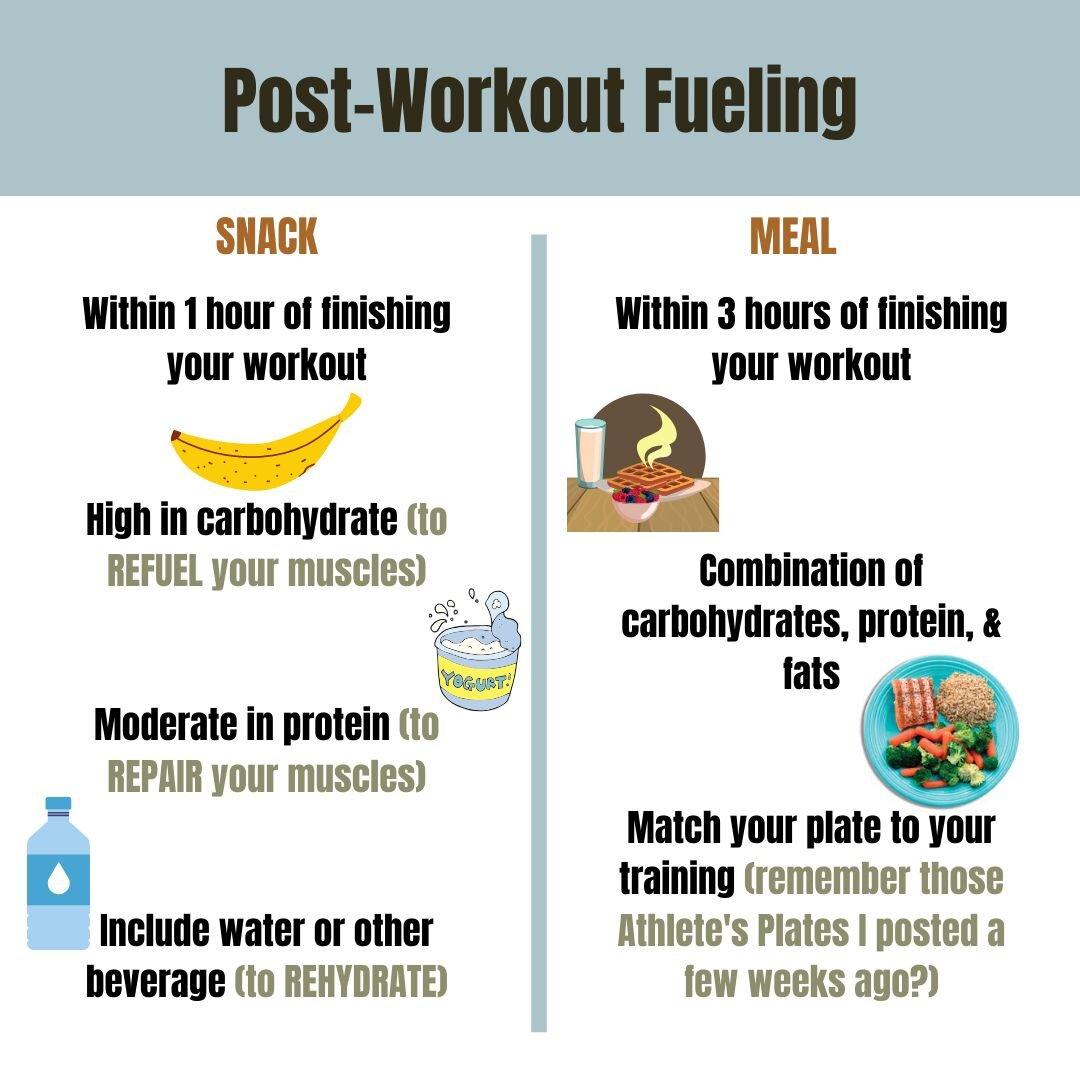
Post-workout nutrition plays a crucial role in recovery, helping to repair muscles and replenish glycogen stores. Aim to consume a balanced meal within 30 to 60 minutes after exercising, focusing on lean proteins and complex carbs. Some effective post-workout choices are:
- Grilled chicken with quinoa and steamed vegetables
- Salmon with sweet potatoes and asparagus
- A smoothie with protein powder, banana, and spinach
| Pre-Workout Foods | Post-Workout Foods |
|---|---|
| Greek yogurt with berries | Grilled chicken with quinoa |
| Oatmeal with banana | Salmon with sweet potatoes |
| Protein shake | Smoothie with protein powder |
Supplementing Smart: What You Need to Know
When it comes to enhancing your fitness routine, intelligent supplementation is key. Choosing the right supplements can elevate your performance, promote recovery, and even help you reach your health goals more efficiently. Here are a few essential types of supplements to consider:
- Protein Powders: Support muscle growth and recovery after workouts.
- Branched-Chain Amino Acids (BCAAs): Reduce muscle soreness and fatigue.
- Creatine: Boost strength and explosive energy during high-intensity training.
- Omega-3 Fatty Acids: Aid in reducing inflammation and supporting heart health.
- Multivitamins: Ensure you’re covering nutritional gaps that can affect your energy and overall well-being.
However, it’s important to remember that supplements should complement a balanced diet, not replace it. To make informed decisions, always review ingredients and consider consulting a healthcare professional. Below is a simple comparison of popular supplements to help you understand their benefits:
| Supplement | Key Benefit | Ideal For |
|---|---|---|
| Protein Powder | Muscle recovery | Athletes, weightlifters |
| BCAAs | Reduce soreness | Endurance athletes |
| Creatine | Increased strength | High-intensity trainers |
| Omega-3s | Inflammation reduction | General health enthusiasts |
In Summary
understanding the importance of nutrition in fueling your workouts can be the key to unlocking your full potential. By prioritizing a balanced diet rich in carbohydrates, proteins, and healthy fats, you’re not just enhancing your performance; you’re also supporting your body’s recovery and overall health. Remember, what you eat before, during, and after your exercise sessions can significantly impact your energy levels and stamina.
Experiment with different foods and timings to find what works best for you, and don’t hesitate to listen to your body’s cues. Whether you’re an occasional exerciser or a dedicated athlete, the right nutrition can make all the difference. So, lace up those sneakers, fuel your body with the good stuff, and get ready to take your workouts to the next level. Here’s to making every rep, mile, and stretch count! Happy exercising!