


In the ever-evolving world of health and wellness, the debate over diet versus exercise has sparked countless conversations, ignited passionate arguments, and left many wondering: which is the ultimate key to effective weight loss? With an abundance of information at our fingertips, the choices can feel overwhelming, and individuals often find themselves at a crossroads. Should one focus on meticulously counting calories and crafting the perfect meal plan, or is it better to lace up running shoes and chase the next endorphin high? In this article, we delve deep into the intricate dance between diet and exercise, examining each component’s impact on weight loss. By dissecting the merits and challenges of both approaches, we aim to provide clarity and insight for those seeking to uncover their own path to a healthier lifestyle. Join us as we explore the dynamics of this timeless showdown, armed with facts, strategies, and a dash of inspiration.
Table of Contents
- Understanding the Roles of Diet and Exercise in Weight Loss
- Nutritional Strategies: Choosing the Right Foods for Effective Weight Management
- The Power of Movement: Tailoring an Exercise Routine for Sustainable Results
- Balancing Act: Integrating Diet and Exercise for Optimal Weight Loss Success
- The Way Forward
Understanding the Roles of Diet and Exercise in Weight Loss
When it comes to achieving weight loss, the relationship between diet and exercise can often feel like a classic battle for supremacy. While both components are essential, diet plays a more prominent role in carving out significant weight loss results. Controlling caloric intake is fundamental, as storing excess calories leads to weight gain. A well-balanced diet, rich in fruits, vegetables, lean proteins, and whole grains, encourages healthy eating habits and fuels the body for everyday activities. For instance, reducing added sugars and processed foods can create a caloric deficit, which is critical for shedding pounds effectively.
On the other hand, while diet lays the groundwork, exercise amplifies weight management efforts by boosting metabolism and increasing energy expenditure. Regular physical activity not only aids in burning calories, but it also helps to maintain lean muscle mass during weight loss, which is vital for sustaining long-term results. To illustrate the impact of combined efforts, consider the following components:
| Element | Impact on Weight Loss |
|---|---|
| Diet | Controls caloric intake; essential for creating a deficit |
| Exercise | Burns calories; boosts metabolism; maintains muscle mass |
| Combination | Enhances outcomes; promotes overall health |
Ultimately, the most effective path to weight loss lies in a harmonious blend of both healthy eating and regular physical activity. By recognizing the unique contributions of each component, individuals can strategize their approach to weight loss, ensuring they benefit from both dietary changes and exercise regimens tailored to their lifestyle and preferences.
Nutritional Strategies: Choosing the Right Foods for Effective Weight Management
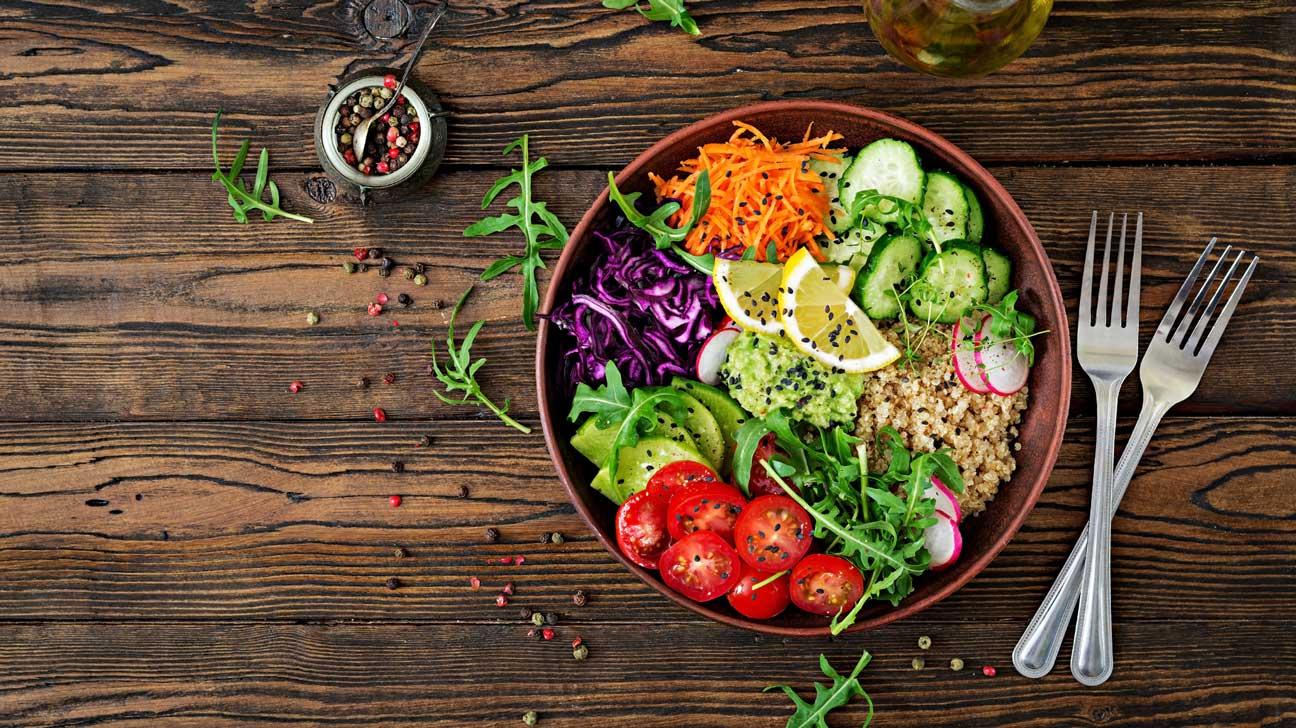
Effective weight management hinges on the choices we make at mealtime. Prioritizing high-nutrient foods over calorie-dense options can significantly impact your journey. Consider incorporating the following food categories into your diet for optimal results:
- Whole Grains: Foods like quinoa, brown rice, and whole oats offer fiber and sustain energy, keeping you full longer.
- Lean Proteins: Sources such as chicken breast, tofu, and lentils are essential for preserving muscle mass while losing fat.
- Fruits & Vegetables: Rich in vitamins and low in calories, these should form the cornerstone of any meal for their satiating effects.
- Healthy Fats: Avocados, nuts, and olive oil can enhance flavor and satisfaction, but should be consumed in moderation.
Understanding portion sizes and meal timing is equally crucial in a balanced approach to nutrition. Consider the following table as a quick reference to gauge appropriate serving sizes for various food groups:
| Food Group | Recommended Serving Size |
|---|---|
| Whole Grains | 1/2 cup cooked |
| Lean Protein | 3 ounces (cooked) |
| Fruits | 1 medium or 1 cup chopped |
| Vegetables | 1 cup raw or 1/2 cup cooked |
| Healthy Fats | 1 tablespoon |
The Power of Movement: Tailoring an Exercise Routine for Sustainable Results
Movement is a cornerstone of not just weight loss, but overall well-being. Crafting a personalized exercise routine that resonates with your lifestyle increases the likelihood of sticking to it and reaping sustainable results. Here are a few key points to consider when tailoring your exercise plan:
- Find Your Passion: Whether it’s dancing, hiking, or yoga, engage in activities that excite you.
- Mix It Up: Incorporating various workouts—like strength training, cardio, and flexibility exercises—not only keeps things interesting but also challenges your body.
- Set Realistic Goals: Aim for achievable milestones that can be measured, ensuring continuous motivation and progress.
Consistency is crucial for transforming any movement regimen into a lasting habit. Understanding your body’s signals can help you recognize when to push it a little harder and when to rest or modify your routine. Consider these strategies for maximizing your exercise effectiveness:
| Strategy | Description |
|---|---|
| Progressive Overload | Slowly increase the difficulty of your workouts over time to avoid plateaus. |
| Listen to Your Body | Pay attention to fatigue signals to prevent injury and maintain motivation. |
| Track Your Progress | Keep a journal of workouts and milestones achieved to visualize your journey. |
Balancing Act: Integrating Diet and Exercise for Optimal Weight Loss Success
Finding harmony between your dietary choices and exercise regime is crucial for achieving lasting weight loss. A well-rounded approach that incorporates both elements can enhance your metabolism and lead to sustainable results. Start by establishing healthy eating habits that prioritize whole foods over processed items. This includes consuming a variety of colorful fruits and vegetables, lean proteins, and whole grains. Pay attention to portion sizes and consider tracking your meals to ensure you stay within your caloric needs while still enjoying a diverse array of flavors.
Alongside a balanced diet, regular physical activity is essential. Engaging in a mix of cardio and strength training can significantly boost your calorie expenditure. Aim for at least 150 minutes of moderate aerobic activity each week, paired with muscle-strengthening exercises on two or more days. Here’s a simple breakdown of how different activities can contribute to your weight loss journey:
| Activity | Calories Burned (per 30 minutes) |
|---|---|
| Running | 300 |
| Cycling | 250 |
| Strength Training | 150 |
| Yoga | 120 |
Ultimately, the synergy between your diet and exercise routines can lead to remarkable progress. By committing to both elements, you’ll not only support your weight loss goals but also foster a healthier lifestyle that can be maintained long-term. Consider setting realistic goals, celebrating small victories, and remaining flexible in your approach to ensure you stay motivated throughout your journey.
The Way Forward
As we conclude our exploration of the timeless debate between diet and exercise in the quest for weight loss, it becomes increasingly clear that both sides hold valuable truths. Each approach offers unique benefits and challenges, and the journey to achieving and maintaining a healthy weight often requires a delicate balance between the two.
Ultimately, the most effective strategy may not lie in choosing one over the other, but in harmonizing diet and exercise to suit individual lifestyles and preferences. After all, our bodies are as unique as our journeys; what works wonders for one person may not resonate with another.
So, as you step off this battleground of calories and cardio, remember that the ultimate goal is not only to shed pounds but to foster a sustainable lifestyle that nurtures both body and mind. Embrace the power of choice, experiment with your own regimen, and above all, be patient with yourself. The path to wellness is not a sprint but a marathon—a dynamic interplay of nourishment, movement, and self-discovery. Here’s to finding your own version of balance in the grand showdown of diet and exercise.