


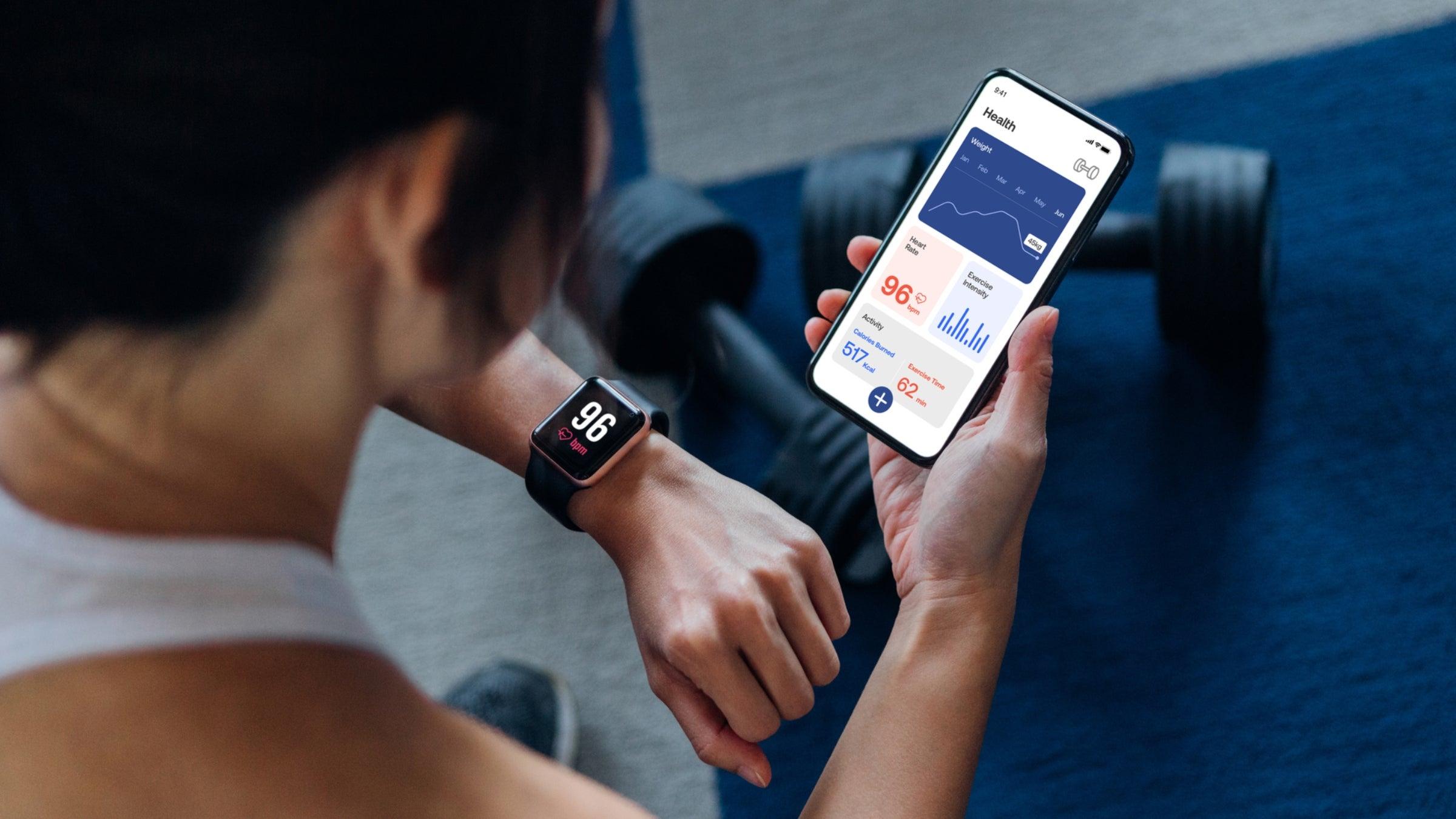
Are you ready to take your fitness journey to the next level but feeling overwhelmed by the flood of fitness tracking tools out there? You’re not alone! Whether you’re a seasoned gym rat or just dipping your toes into the world of workouts, keeping tabs on your progress can be a game-changer. In “”, we’ll break down everything you need to know about fitness trackers—from the latest tech to practical tips on how to use them effectively. Say goodbye to guesswork and hello to a healthier, more informed you! Let’s dive in and find out how you can harness the power of fitness tracking to smash your goals and feel great doing it.
Table of Contents
- Understanding the Basics of Fitness Tracking Tools
- Finding the Right Fitness Tracker for Your Lifestyle
- Making the Most of Your Data to Reach Fitness Goals
- Staying Motivated: Tips and Tricks for Consistent Progress
- In Conclusion
Understanding the Basics of Fitness Tracking Tools
Fitness tracking tools have revolutionized the way we approach our health and wellness goals. Smartphones, wearables, and dedicated apps have made it easier than ever to track metrics that matter. With just a few taps or a glance at your wrist, you can monitor a variety of parameters, including:
- Activity levels: Steps taken, calories burned, and distance traveled.
- Heart rate: Real-time monitoring during workouts and throughout the day.
- Sleep quality: Tracking sleep patterns to optimize rest and recovery.
- Nutritional intake: Logging meals and tracking macronutrients.
Many tools even allow for social integration, where you can compete with friends or share achievements to boost motivation. As you start using these tools, consider how they can fit into your daily routine. Below is a simple comparison of popular fitness tracking tools:
| Tool | Best For | Unique Features |
|---|---|---|
| Fitbit | Wearable tracking | Heart rate monitoring, sleep analysis |
| MyFitnessPal | Nutritional tracking | Barcode scanner, extensive food database |
| Strava | Athletes and runners | Social sharing, route planning |
Finding the Right Fitness Tracker for Your Lifestyle
Choosing a fitness tracker that complements your daily routine can transform your health journey. With a plethora of options available, it’s essential to consider what features will best serve you. Here are some vital aspects to keep in mind:
- Activity Types: Think about the activities you engage in most. Do you run, cycle, swim, or just want to track your steps? Make sure the tracker supports these specific activities.
- Battery Life: If you hate charging devices frequently, look for models that boast long battery life.
- Style and Comfort: You’ll want a tracker that feels good on your wrist and fits your style. There are plenty of designs, from sporty to sleek.
- Smart Features: Are you looking for notifications, music control, or integration with other apps? Choose a tracker that offers these capabilities if they align with your lifestyle.
Not all fitness trackers are created equal, so comparing a few options can be beneficial. Here’s a quick reference table to help you get started:
| Tracker Model | Main Features | Price Range |
|---|---|---|
| Fitbit Charge 5 | Heart rate, GPS, Stress management | $149 – $179 |
| Apple Watch Series 8 | App integrations, ECG, Blood oxygen | $399 – $749 |
| Garmin Forerunner 245 | Advanced running metrics, Music storage | $299 – $349 |
By evaluating what’s most important to you, selecting a fitness tracker tailored to your life can be an enjoyable and rewarding experience. Happy tracking!
Making the Most of Your Data to Reach Fitness Goals
To truly harness the power of fitness tracking, start by defining your specific goals. Whether you aim to lose weight, build muscle, or improve endurance, setting clear and measurable objectives will guide your data collection. Utilize your tracking devices to monitor essential metrics, such as steps taken, calories burned, heart rate, and workout duration. Make sure to connect your fitness apps to create a cohesive data system. This way, you can easily analyze patterns and adjust your routines as needed.
Next, make data review a regular part of your fitness journey. Allocate time each week to assess your progress. Check out these tips to make the most of your data:
- Track Trends: Identify areas where you’re improving or need more focus.
- Set Mini-Goals: Break larger goals into achievable weekly milestones.
- Celebrate Wins: Acknowledge both small and big achievements to keep your motivation high.
To visualize your progress, consider creating a simple table that summarizes your performance over the weeks. See an example below:
| Week | Goal (Calories Burned) | Actual (Calories Burned) | Status |
|---|---|---|---|
| 1 | 2000 | 2100 | ✔️ Achieved |
| 2 | 2200 | 1800 | ❌ Not Achieved |
| 3 | 2500 | 2700 | ✔️ Achieved |
Remember, analyzing your data is not just about the numbers; it’s about empowering yourself to tweak your fitness routine and stay on track. Keep questioning how each metric contributes to your overall well-being, and let the data guide your decisions as you power through your fitness journey!
Staying Motivated: Tips and Tricks for Consistent Progress
Staying on track with your fitness goals can be a challenge, but with the right mindset and strategies, you can maintain consistent progress. First, make it a habit to set realistic goals that excite you. Instead of overwhelming yourself with massive changes, break them into smaller, manageable milestones. This way, each achievement becomes a building block towards your ultimate fitness aspirations. Also, don’t forget the power of tracking your progress—whether it’s through apps, journals, or spreadsheets. Seeing your improvements visually can keep your motivation levels high and encourage you to push further.
Another effective trick is to surround yourself with positivity. Engage with communities, both online and offline, that share your fitness journey. Having a supportive network can make a huge difference in your enthusiasm and commitment. Additionally, mix up your routine regularly to keep things fresh and exciting. Try out new workouts, outdoor activities, or classes you’ve never attended. Keep the boredom at bay by incorporating variety—who knows, you might discover a new favorite! Here’s a simple table to help you rotate your workouts:
| Days of the Week | Workout Ideas |
|---|---|
| Monday | Yoga or Pilates |
| Tuesday | High-Intensity Interval Training (HIIT) |
| Wednesday | Outdoor run or cycling |
| Thursday | Strength training |
| Friday | Dance class or Zumba |
| Saturday | Hiking or swimming |
| Sunday | Rest and recovery |
In Conclusion
And there you have it, folks! You’ve just taken a deep dive into the world of fitness tracking and emerged ready to tackle your health goals like a pro. Whether you choose a smartwatch, a fitness band, or a good old-fashioned app, remember that the key to success lies in consistency and making it fun. Fitness tracking isn’t just about numbers on a screen; it’s about building a lifestyle that keeps you moving, motivated, and engaged.
Now that you’re armed with tips and tricks to make the most of your fitness tracker, it’s time to hit the ground running (or walking, or cycling—whatever floats your boat!). Don’t forget to celebrate your progress, no matter how small, and share your journey with friends or in communities to keep the motivation alive. Here’s to unlocking your fitness potential and making every step count! Happy tracking! 🏃♂️📈💪