


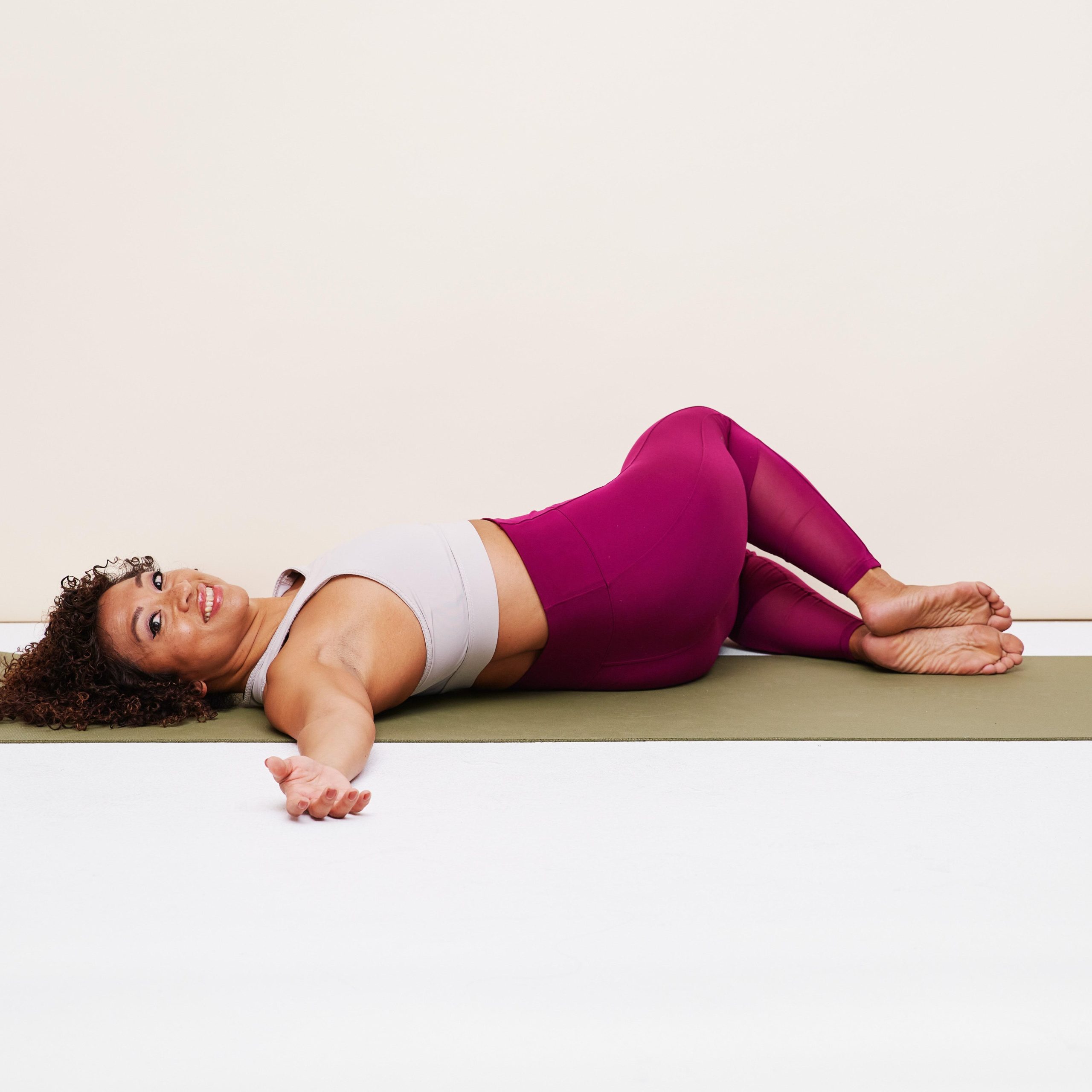
In a world that often pushes us towards constant activity and relentless pace, the simple act of stretching might appear trivial, yet it harbors a profound potential for transformation. “” invites you to explore the often-overlooked practices of stretching and enhancing our flexibility, revealing their remarkable impact on physical health, mental clarity, and emotional resilience. As we delve into the science and art of these movements, we will uncover not just the benefits for our muscles and joints, but also the ways they can lead to a deeper sense of balance, mindfulness, and overall well-being in our busy lives. Whether you’re an athlete seeking to optimize performance, someone navigating the challenges of daily stress, or simply curious about the path to a healthier body, join us on this journey to stretch beyond limitations and embrace a holistic approach to vitality.
Table of Contents
- Exploring the Science Behind Stretching and Flexibility
- The Transformative Benefits of a Consistent Stretching Routine
- Incorporating Stretching into Your Daily Life for Optimal Well-Being
- Tailored Stretching Practices: Finding What Works for You
- Final Thoughts
Exploring the Science Behind Stretching and Flexibility
The human body is a fascinating machine that thrives on movement, and stretching plays a pivotal role in enhancing our flexibility and overall physical health. When we stretch, we are not merely elongating our muscles; we are engaging in a complex interplay of physiological responses that can improve athletic performance and reduce the risk of injuries. By promoting blood circulation and increasing oxygen flow to our muscles, regular stretching helps to break down the barriers that result from muscle stiffness. This process is not just about enhancing physical appearance; it also fosters a deeper connection with our body, enhancing proprioception—the awareness of our body’s position and movement in space.
Moreover, the benefits of stretching extend beyond physical advantages. Various studies have highlighted the impact of stretching on mental well-being, with evidence that it can alleviate stress and anxiety. Stretching encourages the release of endorphins, also known as the body’s natural painkillers, promoting a sense of calm and relaxation. To further understand the benefits and types of stretching, consider the following table:
| Type of Stretching | Main Benefits |
|---|---|
| Static Stretching | Increases flexibility, aids recovery, improved muscle control |
| Dynamic Stretching | Enhances performance, prepares muscles for activity, reduces injury risk |
| PNF Stretching | Maximizes flexibility, improves strength, promotes greater muscle lengthening |
The Transformative Benefits of a Consistent Stretching Routine
Integrating a regular stretching routine into your daily life can lead to a plethora of transformative benefits that positively impact both your physical and mental well-being. With each stretch, you not only enhance muscle length and flexibility but also improve your range of motion, making daily activities feel less strenuous. Regular stretching can help reduce the risk of injury by preparing your muscles for more intense workouts and aiding in muscle recovery post-exercise. In addition, flexibility training promotes better posture, allowing your body to align more naturally and efficiently.
A consistent stretching practice also has significant mental health benefits. By focusing on your breath and body during stretching sessions, you tap into mindfulness, which can decrease stress and anxiety levels. This meditative quality of stretching can provide a sense of calm and relaxation, fostering a more positive mood throughout the day. Here are some key advantages of adopting a stretching routine:
- Increased blood circulation
- Enhanced athletic performance
- Reduced muscle tension and pain
- Improved sleep quality
| Benefit | Description |
|---|---|
| Increased Flexibility | Allows for greater movement in joints and muscles. |
| Stress Relief | Encourages relaxation and mental clarity. |
| Enhanced Performance | Aids in achieving better results in physical activities. |
Incorporating Stretching into Your Daily Life for Optimal Well-Being
Integrating stretching into your daily routine can profoundly enhance your physical and mental health. Start small by incorporating stretches during everyday activities; consider these moments:
- Morning Awakening: Spend a few minutes stretching in bed to wake up your muscles.
- Desk Breaks: Set a timer to remind you to stretch every hour at your desk.
- Post-Exercise: Always follow your workouts with a cool-down stretch to aid recovery.
- Before Bed: A gentle stretching routine can promote relaxation and improve sleep quality.
To keep your stretching practice both efficient and enjoyable, try customizing your sessions according to your needs. Create a table of stretching exercises that target specific areas of the body:
| Body Area | Recommended Stretches |
|---|---|
| Back | Cat-Cow Stretch, Child’s Pose |
| Hamstrings | Standing Forward Bend, Seated Stretch |
| Shoulders | Cross-Body Stretch, Eagle Arms |
| Hip Flexors | Lizard Pose, Pigeon Pose |
By embracing these simple yet effective strategies, you’ll not only unlock the benefits of increased flexibility but also create a more mindful and responsive relationship with your body. Whether at home, work, or while out and about, remember that your body deserves regular attention and care.
Tailored Stretching Practices: Finding What Works for You
When it comes to stretching, one size does not fit all. Each individual’s body has unique needs, influenced by factors such as age, fitness level, and lifestyle. To find the perfect stretching routine, it is essential to listen to your body and pay attention to its signals. Consider incorporating different types of stretches into your regimen, such as:
- Static stretches – holding a position for a specific duration to improve flexibility
- Dynamic stretches – gentle movements that increase blood flow and temperature
- Proprioceptive Neuromuscular Facilitation (PNF) – advanced techniques that involve stretching and contracting the muscle
Additionally, creating a personalized stretching schedule can help you stay motivated and consistent. It may be beneficial to track your progress and adjust your routine according to your evolving needs. Below is a simple table to help organize your stretching practice:
| Day | Stretch Type | Duration |
|---|---|---|
| Monday | Static | 15 minutes |
| Wednesday | Dynamic | 10 minutes |
| Friday | PNF | 20 minutes |
Experimenting with various stretches and adjusting the routine can lead you to discover what feels best. Remember, stretching should never be painful; it should feel like a relaxing and rejuvenating practice that enhances your overall well-being. Stay patient and consistent to unlock the full potential of your stretching journey!
Final Thoughts
As we conclude our exploration of “,” it becomes evident that these practices extend far beyond the physical realm. They serve as gateways to enhanced mental clarity, emotional balance, and overall vitality. The gentle art of stretching invites us to reconnect with our bodies, to listen to their whispers, and to acknowledge the significance of movement in our daily lives. By incorporating stretching and flexibility into our routines, we unlock a wealth of benefits that contribute to our holistic well-being.
Whether you’re an athlete seeking improved performance, a office worker combating stiffness, or someone simply looking to cultivate a deeper sense of mindfulness, the transformative potential of stretching is within your grasp. Let it be a reminder that well-being is not a destination, but a journey—one that can be enriched with each mindful stretch and every moment of extension. Embrace the flow, honor your body, and step into a more flexible future, where well-being awaits with open arms.