


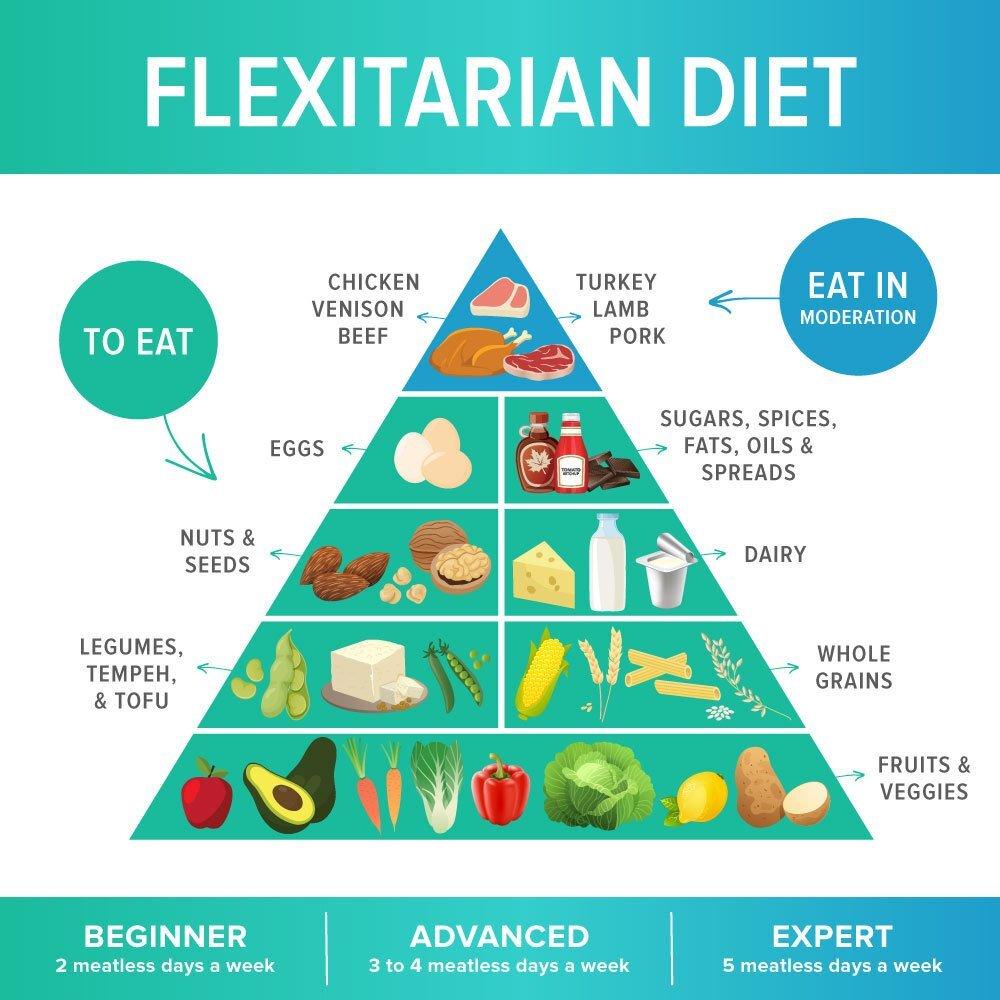
In a world increasingly driven by health consciousness and environmental awareness, the quest for a sustainable yet satisfying diet has led many to explore the nuances of their food choices. Enter the Flexitarian diet—a harmonious blend of flexibility and mindful eating that embraces both plant-based and occasional meat consumption. This approach invites us to reimagine our plates, encouraging vibrant vegetables, whole grains, and legumes to take center stage while allowing for the enjoyment of meat and dairy in moderation. In “,” we will delve into the principles of this adaptable diet, uncover its benefits, and provide insights into how anyone can incorporate its ethos into their everyday meals—expressing a lifestyle that effectively balances taste, health, and sustainability.
Table of Contents
- Understanding the Flexitarian Philosophy and Its Benefits
- Nutritional Foundations: Crafting Your Balanced Plate
- Practical Tips for Incorporating Flexitarian Principles
- Overcoming Challenges: Making the Transition Seamlessly
- Final Thoughts
Understanding the Flexitarian Philosophy and Its Benefits
The flexitarian philosophy champions a balanced approach to eating—allowing room for flexibility without the rigid boundaries often found in traditional diet plans. At its core, this lifestyle encourages individuals to incorporate more plant-based foods into their diets while still permitting occasional consumption of meat and animal products. This means that followers of the flexitarian diet are advocates for mindful eating and sustainable choices, moving towards a more environmentally conscious diet that doesn’t completely eliminate animal protein. This way, one can enjoy the benefits of a vegetarian diet while still embracing their love for meat. Key principles include:
- Variety in Meals: Emphasizing fruits, vegetables, grains, and legumes.
- Quality Over Quantity: Choosing high-quality meats and sustainable sources.
- Mindful Indulgence: Occasional treats that include animal products.
The benefits of adopting such a philosophy are manifold. Not only does this diet promote better health through increased nutrient intake, but it also contributes to weight management and heart health. Studies suggest that a flexitarian diet can lead to a reduced risk of chronic diseases such as diabetes and cardiovascular complications. Additionally, the environmental impact of cutting back on meat consumption can be significant, helping to reduce greenhouse gas emissions and decrease the demand for resource-intensive meat production. Here’s a quick overview of the health and environmental benefits:
| Benefits | Health Impact |
|---|---|
| Improved Nutrition | Higher intake of vitamins and minerals. |
| Weight Management | Lower calorie consumption with increased fiber. |
| Chronic Disease Prevention | Reduced risk of heart disease and diabetes. |
| Environmental Impact | Lower carbon footprint and resource conservation. |
Nutritional Foundations: Crafting Your Balanced Plate
Creating a balanced plate is essential for anyone looking to embrace a flexitarian diet. This approach encourages an abundance of plant-based foods while allowing for flexibility with occasional meat and fish consumption. By filling your plate with a variety of colors and textures, you can ensure that you receive a broad spectrum of nutrients. Key components to focus on include:
- Fruits and Vegetables: Aim for half your plate to consist of these vibrant options; think leafy greens, berries, and seasonal favorites.
- Whole Grains: Incorporate quinoa, brown rice, and whole wheat pasta to provide energy and fiber.
- Proteins: Include sources like beans, lentils, and nuts, as well as occasional lean meats or fish.
- Healthy Fats: Integrate avocado, olive oil, and seeds for beneficial nutrients that support overall health.
Planning meals with macro and micronutrient balance in mind can enhance both health and satisfaction. Consider this simple guide to portioning your plate:
| Food Group | Recommended Portion |
|---|---|
| Fruits & Vegetables | 50% |
| Whole Grains | 25% |
| Proteins | 15% |
| Healthy Fats | 10% |
By embracing diversity in your food choices, you can cultivate a fulfilling dietary pattern that nourishes your body while satisfying your cravings.
Practical Tips for Incorporating Flexitarian Principles
Incorporating flexitarian principles into your daily life can be both enjoyable and rewarding. Start by gradually reducing your meat consumption. Instead of completely eliminating meat, aim for a few meatless days each week. You can kick off this journey by trying out new plant-based recipes during the week, which can make for exciting meal planning. Additionally, experiment with meat alternatives, such as tofu, tempeh, and legumes, to keep your meals diverse and flavorful.
Furthermore, consider incorporating fresh produce into your meals in creative ways. Aim for a colorful plate filled with seasonal fruits and vegetables to maximize taste and nutrition. Try implementing these techniques:
- Mix up your meals: Pair grain bowls with beans and an array of roasted veggies.
- Flavorful dips: Prepare hummus, guacamole, or salsa to enjoy with raw veggies or whole-grain crackers.
- Introduce Meatless Mondays: Designate one day a week to go entirely meat-free, and explore recipes that excite your palate.
To make this transition smoother, you may find it helpful to keep track of your meal plans and favorite recipes. Consider the following chart to inspire your weekly menu:
| Day | Meal Idea |
|---|---|
| Monday | Chickpea Curry with Brown Rice |
| Tuesday | Stuffed Bell Peppers with Quinoa and Black Beans |
| Wednesday | Spinach and Mushroom Risotto |
| Thursday | Cauliflower Tacos with Avocado Crema |
| Friday | Grilled Vegetable Skewers with Couscous |
Overcoming Challenges: Making the Transition Seamlessly
Transitioning to a flexitarian diet can present some challenges, but with the right mindset and strategies, anyone can navigate this process smoothly. Start by gradually incorporating more plant-based meals into your weekly routine. Begin with a few meatless days each week and slowly increase the number as you become more comfortable. Experimentation is key—try out new recipes and ingredients that excite your taste buds. This way, the shift feels less like a restriction and more like an exploration of diverse flavors and textures.
To support this transition, it’s beneficial to focus on building a well-rounded pantry. Stock up on staple items such as whole grains, legumes, nuts, and seasonal vegetables. Consider the following tips to ensure your journey is enjoyable and sustainable:
- Plan your meals: Create a weekly menu that emphasizes plant-based dishes.
- Explore local produce: Visit farmers’ markets to inspire fresh, healthy choices.
- Find community support: Join online forums or local groups for shared recipes and experiences.
| Plant-Based Proteins | Benefits |
|---|---|
| Chickpeas | High in fiber and versatile for salads, stews, or hummus. |
| Quinoa | Complete protein that can substitute rice or pasta. |
| Lentils | Quick-cooking option packed with iron and protein. |
Final Thoughts
As we draw the curtain on our exploration of the Flexitarian Diet, it’s clear that this approach to eating is about more than just food choices; it’s a lifestyle shift that embraces balance, sustainability, and flexibility. In a world increasingly tuned into health and environmental concerns, the Flexitarian Diet offers a pathway that invites everyone to partake in a more mindful, yet enjoyable culinary experience. By incorporating a variety of plant-based foods while still allowing for the occasional indulgence in meat, you can nourish both your body and your conscience.
Ultimately, embracing this flexible approach does not mean sacrificing flavor or variety; rather, it encourages a playful mindset towards food—one that celebrates creativity in the kitchen and fosters a profound connection to what we consume. So as you consider taking the leap into flexitarianism, remember that each meal is an opportunity to nourish yourself and impact the planet positively. Here’s to a delicious journey towards a more balanced plate and a healthier lifestyle!