


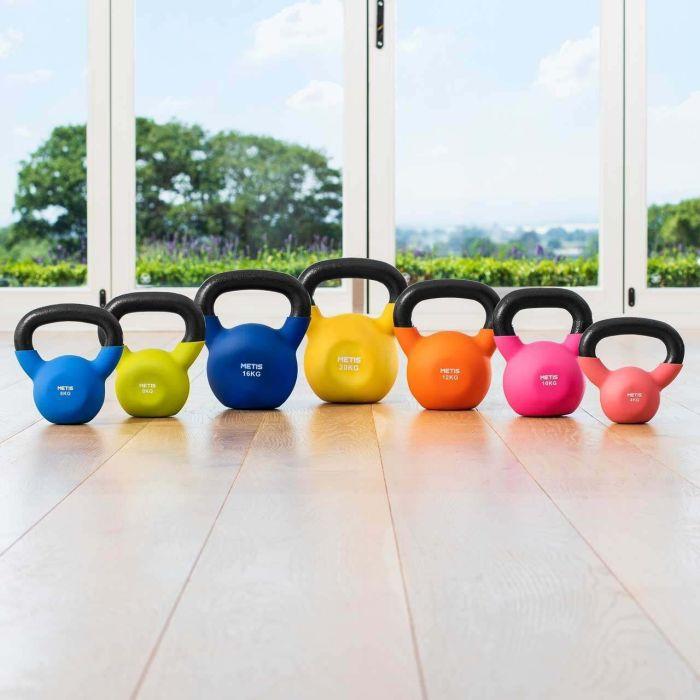
In the ever-evolving landscape of fitness, where trends come and go like the changing seasons, one tool has remained a steadfast ally for enthusiasts and casual exercisers alike: the kettlebell. With its distinctive shape and rich history, this seemingly simple piece of equipment has transcended gym fads to claim its rightful place in workout routines all around the globe. Whether you’re a seasoned athlete looking to enhance your strength training or a beginner seeking a straightforward path to better health, kettlebells offer a unique blend of versatility and effectiveness that can unlock new potential in your fitness journey. Join us as we delve into the multifaceted nature of kettlebells, exploring their origins, benefits, and techniques that can transform your workouts, making a compelling case for why this ancient tool deserves a prominent spot in your fitness arsenal.
Table of Contents
- Exploring the Origins and Evolution of Kettlebell Training
- Benefits Beyond Strength: Enhancing Flexibility, Endurance, and Balance
- Essential Techniques for Beginners: Mastering the Fundamentals
- Creating a Versatile Workout Routine: Tailoring Kettlebell Exercises for Every Level
- In Summary
Exploring the Origins and Evolution of Kettlebell Training
The origins of kettlebell training can be traced back to 18th century Russia, where these unique weights, resembling cannonballs with handles, were used for military and athletic training. Initially called “girya,” these tools were favored for their ability to build both strength and endurance through dynamic movements. As Russian strongmen showcased their impressive feats of strength, the popularity of kettlebell training began to spread, eventually influencing various physical cultures across the globe. The simplicity and effectiveness of kettlebells made them a staple not only for athletes but also for those seeking to improve their general fitness levels.
With the advent of the 21st century, kettlebell training evolved into a mainstream fitness phenomenon, thanks largely to the work of fitness experts and enthusiasts who advocated for its versatility. Today’s kettlebell workouts incorporate a variety of movements such as swings, snatches, and Turkish get-ups, offering a full-body workout that emphasizes functional strength. This evolution has made kettlebells a popular choice in modern fitness trends, appealing to diverse audiences, including:
- CrossFit athletes looking for high-intensity training
- Personal trainers seeking to diversify clients’ routines
- Rehabilitation specialists using controlled movements for injury recovery
- Fitness enthusiasts wanting home workout options
Benefits Beyond Strength: Enhancing Flexibility, Endurance, and Balance
Kettlebells are not just about lifting heavy; their design and functionality contribute significantly to enhancing flexibility, endurance, and balance. When incorporated into your workout regimen, these versatile weights engage multiple muscle groups simultaneously, which leads to improved muscle elasticity and a wider range of motion. As you perform dynamic movements such as swings, snatches, and Turkish get-ups, your body is challenged to stretch and contract, promoting joint flexibility and reducing the risk of injuries.
Moreover, kettlebell training is a fantastic way to build endurance. The constant motion and variety of exercises keep your heart rate elevated, which can improve cardiovascular health. By engaging in high-repetition kettlebell workouts, you develop greater stamina, allowing you to perform daily activities with ease and confidence. Additionally, the balance component is enhanced as kettlebell exercises require stability and coordination, engaging your core and lower body to maintain proprioception. This holistic approach to fitness not only encourages strength but also creates a balanced and agile body.
Essential Techniques for Beginners: Mastering the Fundamentals
When starting your journey with kettlebells, it’s crucial to focus on foundational techniques that will ensure safety and maximize effectiveness. A good starting point includes mastering the kettlebell swing, which builds strength and stamina while improving your cardiovascular health. Other essential movements to incorporate are the goblet squat, which enhances lower body strength, and the Turkish get-up, a full-body exercise that increases mobility and stability. These exercises not only engage multiple muscle groups but also cultivate proper form and body mechanics, setting the stage for more advanced movements.
To assist beginners in their training, it’s helpful to understand key benefits of kettlebell exercises, which can be categorized into several core areas:
| Benefit | Description |
|---|---|
| Full-body workout | Kettlebell movements engage various muscle groups concurrently. |
| Improved balance | Dynamic exercises enhance stability and coordination. |
| Efficient fat loss | High-intensity training boosts metabolic rate and burns calories. |
| Increased flexibility | Many kettlebell exercises promote mobility and range of motion. |
Incorporating these techniques not only paves the path for skill development, but also cultivates a deeper understanding of body dynamics and movement patterns. By maintaining focus on proper form and gradually increasing weight, beginners can unlock their potential and enjoy the multifaceted benefits that kettlebell training offers.
Creating a Versatile Workout Routine: Tailoring Kettlebell Exercises for Every Level
When developing a workout routine with kettlebells, it’s essential to recognize that these versatile tools can cater to a wide range of fitness levels. For beginners, starting with fundamental movements can build a solid foundation while ensuring proper form. Key exercises such as the kettlebell deadlift, goblet squat, and two-handed swing should dominate early routines. These exercises promote stability and strength and are essential for enhancing overall coordination. As one progresses, the incorporation of dynamic moves such as the snatch and clean and press can elevate the challenge, engaging multiple muscle groups and boosting cardiovascular endurance.
For those who seek an advanced kettlebell routine, the focus can shift toward complex movements that build both strength and power. Incorporating a variety of techniques like the Turkish get-up or the barbell complex can significantly enhance core stability and functional strength. Consider crafting a weekly program that includes:
| Day | Focus | Exercises |
|---|---|---|
| Monday | Strength | Kettlebell Deadlift, Goblet Squat |
| Wednesday | Power | Two-handed Swing, Snatch |
| Friday | Endurance | Turkish Get-up, Clean and Press |
This method ensures interval training, enabling muscle recovery while enhancing adaptability and minimizing workout monotony. By tailoring kettlebell exercises to various levels, anyone can unlock their potential and optimize their path to fitness.
In Summary
As we reach the conclusion of our exploration into the versatile power of kettlebells, it becomes clear that these humble cast-iron weights are more than just tools for strength training; they are gateways to a holistic fitness journey. Whether you’re a seasoned athlete or a curious beginner, kettlebells offer an adaptable approach to enhancing strength, flexibility, and endurance.
By incorporating kettlebell workouts into your routine, you tap into a world of dynamic movements that can transform not only your body but also your mental resilience. As you continue to unlock your fitness potential, remember that each swing and each movement is an opportunity to rediscover your limits and redefine your strengths.
So, take a moment to embrace the rhythm of the kettlebell, and let it guide you toward a healthier, more empowered you. The journey is yours to shape—one swing at a time. Happy training!