


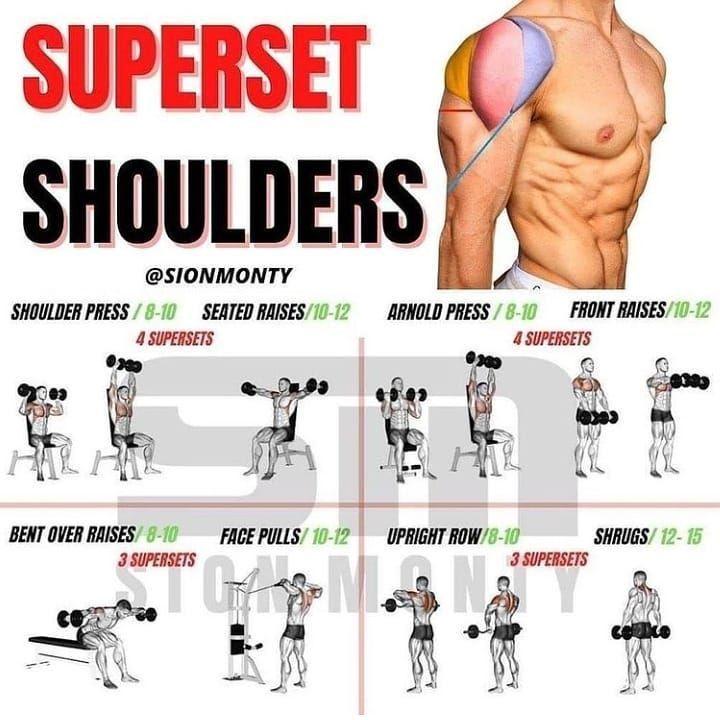
Shoulder workouts are a fundamental component of strength training, playing a crucial role in overall upper body development and functional movement. As the shoulders are integral to various physical activities, from sports performance to daily tasks, evaluating the effectiveness of specific shoulder exercises is essential for individuals aiming to enhance their strength and stability. This article aims to systematically assess the impact of various shoulder workout routines, considering factors such as muscle activation, strength gains, and injury prevention. By analyzing current scientific literature and fitness methodologies, we seek to provide a comprehensive understanding of how targeted shoulder exercises contribute to overall strength, thereby guiding fitness enthusiasts and professionals in optimizing their training regimens.
Table of Contents
- Assessing Muscle Hypertrophy Through Shoulder Workouts
- Comparative Analysis of Training Techniques for Shoulder Strength
- Evaluating Frequency and Volume for Optimal Shoulder Development
- Psychological and Physiological Factors Influencing Workout Effectiveness
- Future Outlook
Assessing Muscle Hypertrophy Through Shoulder Workouts
To effectively assess muscle hypertrophy through shoulder workouts, it is crucial to focus on various factors that contribute to growth. Key methods include tracking progressive overload, analyzing training volume, and monitoring rest periods. These elements can significantly influence the development of muscle fibers and overall shoulder strength. Incorporating a variety of exercises can further enhance results, including:
- Dumbbell Shoulder Press - Helps engage all shoulder muscles for balanced growth.
- Arnold Press – Targets the front and side deltoids, promoting muscle development.
- Lateral Raises - Isolates side deltoids to increase shoulder width.
In addition to the physical aspects of training, monitoring performance metrics can offer valuable insights into hypertrophy. Keeping a detailed log of sets, reps, and weights used during workouts allows for a better understanding of muscle adaptation over time. A comparison can be made using a table to illustrate the correlation between training frequency and observed muscle growth:
| Training Frequency (Per Week) | Average Muscle Gain (%) |
|---|---|
| 1 | 2% |
| 2 | 5% |
| 3 | 8% |
| 4 | 10% |
Comparative Analysis of Training Techniques for Shoulder Strength
When evaluating various training techniques for shoulder strength, it’s crucial to understand the distinct methodologies and their impact on muscle development. A comparative analysis reveals that traditional weightlifting, resistance band training, and bodyweight exercises each offer unique advantages. Traditional weightlifting often focuses on heavier loads, leading to significant gains in maximal strength and muscle hypertrophy. However, it may not adequately address shoulder stability and endurance. In contrast, resistance band training promotes functional strength since it engages multiple muscle groups and enhances stability through dynamic movement. Lastly, bodyweight exercises, such as push-ups and pike presses, incorporate core activation, providing a well-rounded approach that fosters muscle endurance alongside strength development.
The effectiveness of these techniques can be further understood by examining specific metrics associated with strength gains. Below is a summary of the primary training techniques alongside their respective impact on various strength parameters:
| Training Technique | Primary Strength Focus | Key Benefits |
|---|---|---|
| Traditional Weightlifting | Maximal Strength | High hypertrophy potential; specific muscle targeting |
| Resistance Band Training | Functional Strength & Stability | Versatile; effective for rehabilitation |
| Bodyweight Exercises | Endurance & Core Activation | Improves overall fitness; no equipment needed |
Ultimately, the ideal approach to building shoulder strength may incorporate elements of all three training methods, tailoring the regimen to an individual’s specific goals and fitness levels. The effectiveness of each technique can lead to enhanced outcomes when synergized, making it possible to achieve comprehensive strength and improved shoulder functionality.
Evaluating Frequency and Volume for Optimal Shoulder Development
To achieve optimal shoulder development, one must carefully consider both the frequency and volume of workouts. Striking the right balance can significantly impact muscle growth and recovery. Key factors to evaluate include:
- Workout Frequency: Ideally, training the shoulders 2 to 3 times a week allows sufficient stimulus while facilitating recovery. Too frequent sessions may lead to fatigue, hampering overall performance.
- Volume Consideration: The total number of sets and reps should align with your fitness goals. A range of 12 to 20 sets per week can be effective for hypertrophy, while lower volume might be suitable for strength-focused objectives.
An effective method to understand your workout structure is to track your progress with a clearly defined program. Consider creating a simple table to monitor both frequency and volume across different exercises:
| Exercise | Sets | Reps | Weekly Frequency |
|---|---|---|---|
| Dumbbell Shoulder Press | 4 | 8-10 | 2 |
| Lateral Raises | 3 | 12-15 | 2-3 |
| Front Raises | 3 | 10-12 | 1-2 |
Utilizing such a table helps in visualizing the workload and allows for adjustments based on your progress. Regularly assessing these elements will enable you to tailor your approach, ensuring that your shoulder workouts remain effective and aligned with your overall strength goals.
Psychological and Physiological Factors Influencing Workout Effectiveness
Workout effectiveness is influenced by an interplay of psychological and physiological factors that extend beyond simple muscle engagement. Mental state is crucial; motivation levels can significantly affect intensity and commitment to shoulder workouts. For example, setting specific, achievable goals can enhance focus and drive. Positive reinforcement, such as tracking progress and celebrating small victories, bolster perseverance. Additionally, visualization techniques—imagining successful workouts—can enhance performance by boosting confidence and reducing anxiety around lifting heavier weights.
On a physiological level, components such as nutrition, hydration, and rest play pivotal roles in optimizing workout results. Adequate protein intake is essential for muscle repair and growth, while hydration ensures peak physical performance and recovery. Sleep quality also cannot be understated, as poor sleep can diminish strength and increase the risk of injury. The following table summarizes these key factors:
| Factor | Impact on Workout Effectiveness |
|---|---|
| Mental State | Enhances focus, reduces anxiety |
| Nutrition | Supports muscle repair and growth |
| Hydration | Prevents fatigue, supports performance |
| Rest | Crucial for recovery, boosts strength |
Future Outlook
evaluating the effectiveness of shoulder workouts for strength enhancement reveals a multifaceted approach that combines various resistance training techniques and methodologies. While anecdotal evidence often supports the efficacy of specific exercises, scientific studies provide a more concrete understanding of their impact on muscle hypertrophy and overall strength. Factors such as individual physiology, workout consistency, and proper form are critical in determining outcomes. As research in this area continues to evolve, future studies will likely shed more light on optimal training protocols and their effectiveness across diverse populations. In the pursuit of strength, a tailored program that addresses the unique needs and goals of the individual remains essential for achieving desired results.