


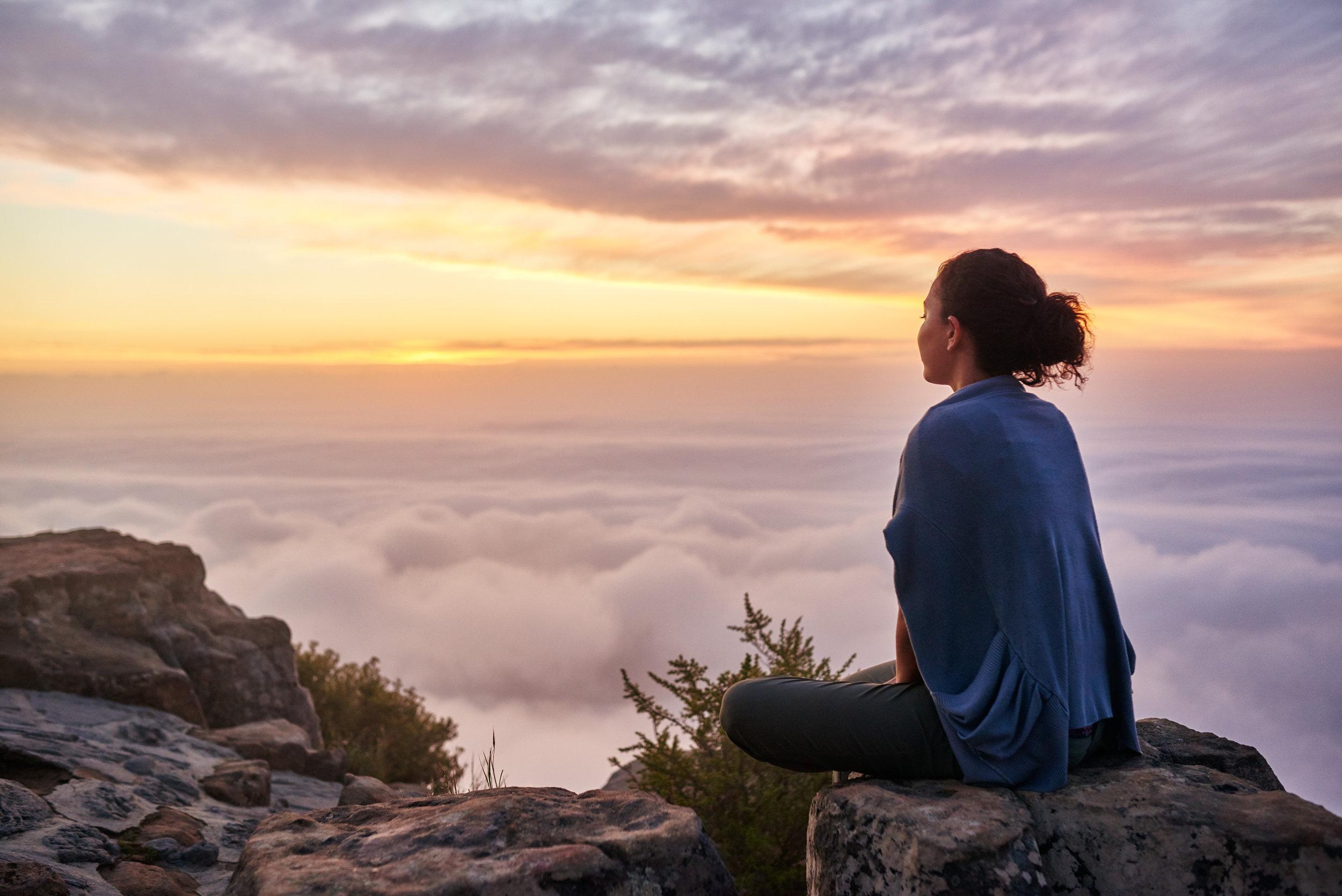
In the relentless tide of modern life, anxiety often emerges as an uninvited guest, unsettling our minds and clouding our days. It lurks in the corners of our thoughts, manifesting through racing heartbeats and restless nights. As we navigate the myriad challenges that come our way, many seek refuge in various remedies, from meditation to medication. Yet, one of the most transformative, yet often overlooked, strategies lies in the heartbeat of physical activity. “” explores the profound connection between movement and mental well-being. This article delves into how engaging our bodies not only uplifts our spirits but also serves as a powerful antidote to anxiety. Join us as we uncover the science, personal stories, and practical tips that illuminate the path towards a more tranquil mind through the rhythm of physical exercise.
Table of Contents
- Exploring the Mind-Body Connection Through Movement
- Unleashing the Power of Routine: Choosing the Right Activity
- Navigating the Outdoors: Natures Role in Reducing Anxiety
- Mindful Movement: Techniques to Enhance Your Practice
- Concluding Remarks
Exploring the Mind-Body Connection Through Movement
Movement offers a profound way to bridge the gap between our physical and mental selves. When we engage in physical activity, we stimulate a cascade of biochemical responses that can uplift our mood and ease anxiety. Exercise releases endorphins, the body’s natural stress relievers, while also activating the parasympathetic nervous system, which promotes relaxation. This biochemical symphony doesn’t just enhance our physical health; it also fosters mental clarity, providing a respite from the relentless chatter of anxious thoughts. Incorporating regular movement routines—whether it’s yoga, dancing, or brisk walking—can transform how we experience our emotions and interact with the world around us.
Beyond the immediate benefits of exercise, it can also serve as a meditative practice, allowing us to focus on the present rather than the worries of the future. By tuning into our bodies during movement, we cultivate mindfulness, which can break the cycle of anxiety and stress. Some gentle practices to consider include:
- Breathwork: Synchronize your breath with your movements for enhanced relaxation.
- Mindful Walking: Pay attention to each step and the sensations in your feet.
- Stretching: Release physical tension while promoting mental calmness.
To illustrate the impact of different types of movement on anxiety levels, consider the following table:
| Activity | Impact on Anxiety | Recommended Duration |
|---|---|---|
| Yoga | Reduces stress hormones | 30 minutes |
| Running | Boosts endorphins | 20-60 minutes |
| Dancing | Enhances mood | 15-30 minutes |
Unleashing the Power of Routine: Choosing the Right Activity
Establishing a routine can be a game-changer in managing anxiety, but selecting the right physical activity is crucial to maximizing its benefits. Consider activities that naturally align with your preferences and lifestyle. For instance, if you thrive in a social environment, group activities such as yoga classes or team sports might be ideal. On the other hand, those who find solace in solitude may prefer walking, jogging, or home workouts. Here are some options to contemplate:
- Cardio Exercises: Running, cycling, or swimming can elevate endorphin levels, boosting your mood.
- Mind-Body Practices: Tai chi, meditation, or yoga blend movement with mindfulness, promoting calmness.
- Strength Training: Lifting weights or bodyweight routines can enhance physical strength and mental resilience.
As you explore these activities, it’s important to assess how each one affects your mindset. Creating a simple tracking table can be beneficial in evaluating your routine’s impact on anxiety levels. Below is a sample format you can use:
| Activity | Duration | Anxiety Level Before | Anxiety Level After |
|---|---|---|---|
| Yoga | 30 minutes | 7 | 3 |
| Running | 20 minutes | 6 | 2 |
| Strength Training | 45 minutes | 5 | 2 |
By keeping tabs on the specific activities you engage in, along with their corresponding effects on your anxiety levels, you’ll gain insights that can guide your choices and help solidify a routine that truly supports your mental well-being.
Navigating the Outdoors: Natures Role in Reducing Anxiety
Stepping into the great outdoors offers more than just an escape from the daily grind; it serves as a natural remedy for the anxious mind. Surrounded by towering trees, soft earth, and the gentle sounds of wildlife, nature envelops us in a serene atmosphere that calms turbulent thoughts. Engaging with natural environments can produce noticeable changes in mood and stress levels, thanks to the interplay of fresh air, sunlight, and greenery—all of which are known to elevate levels of serotonin in the brain. Physical activity, whether through hiking, yoga, or simple walks in the park, allows the body to release endorphins, further enhancing feelings of happiness and relaxation. Consider these enriching experiences that nature provides:
- Boosts Mood: Exposure to nature is linked to reduced anxiety and depression.
- Mindfulness: Observing the minutiae of your surroundings fosters a meditative state.
- Improves Sleep: The natural rhythms of the outdoors can help regulate sleep patterns.
Moreover, engaging in outdoor activities provides an opportunity to connect with others who share a passion for adventure. This sense of community can be particularly beneficial, as social interactions can act as a buffer against anxiety. Whether it’s joining a running club or participating in group hikes, the camaraderie formed through shared experiences can cultivate deeper connections and support. To maximize the mental health benefits that nature has to offer, consider keeping track of your outdoor adventures using a simple table to reflect on your experiences and feelings:
| Date | Activity | Mood Rating (1-10) |
|---|---|---|
| 10/01/2023 | Hiking | 8 |
| 10/05/2023 | Park Yoga | 9 |
| 10/10/2023 | Bike Ride | 10 |
Mindful Movement: Techniques to Enhance Your Practice
Incorporating mindful movement into your daily routine can serve as a powerful antidote to anxiety. By bringing awareness to your body and breath, you not only enhance your physical practice but also foster a deeper connection between mind and body. Consider these techniques to elevate your experience:
- Breathwork: Synchronizing your breath with movement can ground you. Try inhaling deeply as you raise your arms and exhaling as you lower them.
- Body Scan: Before starting any session, take a moment to mentally scan your body. Notice areas of tension and consciously relax them.
- Slow Movements: Practicing movements at a slower pace allows you to savor each posture, making it easier to maintain focus and presence.
- Gratitude Journaling: After your practice, jot down a few things you’re thankful for. This helps shift your mindset toward positivity.
Integrating mindful movement practices into your exercise routine can create a more enriching experience. To track your progress and the benefits of each technique, consider using a simple table:
| Technique | Benefits |
|---|---|
| Breathwork | Enhances focus and calms the mind |
| Body Scan | Reduces physical and mental tension |
| Slow Movements | Improves body awareness and reduces stress |
| Gratitude Journaling | Promotes positivity and emotional balance |
Concluding Remarks
As we navigate the ebb and flow of daily life, the weight of anxiety can often feel overwhelming. Yet, within the simple act of moving our bodies lies a powerful antidote, a pathway to finding calm amid the chaos. By embracing physical activity not merely as a routine but as a form of self-care, we open ourselves to a world of healing possibilities.
From a brisk walk in nature to an invigorating dance class, these movements invite us to reconnect with our breath, our bodies, and the present moment. It is in this space of mindfulness that we can cultivate resilience and clarity, ultimately transforming our relationship with anxiety.
So, as you lace up your shoes or lay out your yoga mat, remember: each step, stretch, and beat brings you a little closer to serenity. Let physical activity be your ally, guiding you toward a more peaceful existence. In the quiet moments of movement, may you discover not just relief, but a deeper sense of strength and calm that resonates long after the workout is over.