


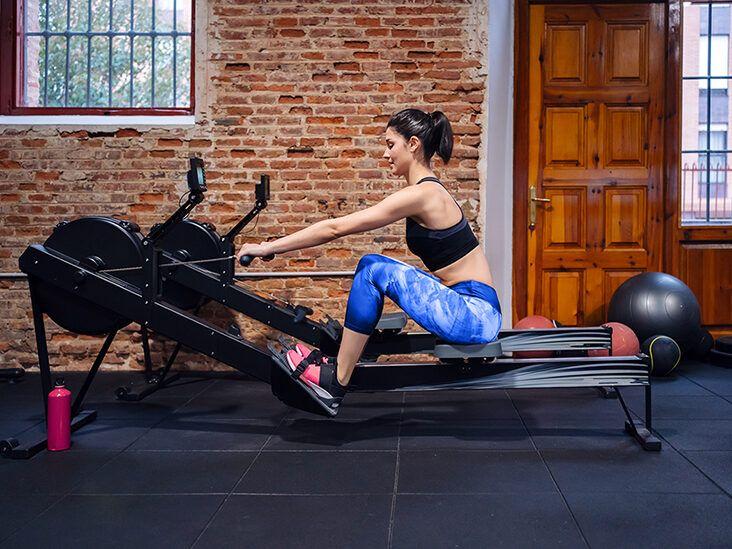
In the bustling world of fitness, where sweat and determination intertwine, exercise machines stand as the unsung heroes of our workout routines. From the rhythmic hum of treadmills to the mechanical clinks of weight stacks, these devices offer a gateway to building strength, endurance, and overall health. But with a myriad of options available, how do we discern which machines truly maximize our efforts and align with our fitness goals? In this article, we will embark on a deep dive into the realm of exercise machines, exploring their unique functionalities, benefits, and the science that underpins their design. Whether you’re a seasoned gym-goer or a newcomer looking to enhance your regimen, prepare to unlock the secrets of these innovative tools and optimize your workouts like never before.
Table of Contents
- Understanding the Anatomy of Popular Exercise Machines
- Optimizing Your Routine: Targeting Muscle Groups Effectively
- Choosing the Right Equipment for Your Fitness Goals
- Tips for Enhancing Performance and Preventing Injuries
- In Conclusion
Understanding the Anatomy of Popular Exercise Machines
Diving into the world of exercise machines reveals a fascinating interplay of design and functionality. Each machine is engineered with specific muscle groups in mind, ensuring that users can target their workouts effectively. Understanding how these machines work can enhance your training routine. For example, treadmills mimic natural running mechanics, with components like belts and motors that provide adjustable speeds and inclines. In contrast, feature flywheels to create resistance through pedaling, simulating outdoor cycling experiences while offering low-impact cardio options.
Another pivotal piece of fitness equipment is the elliptical trainer, designed for a smooth, continuous motion that allows for both upper and lower body workouts. This versatility is facilitated by handlebars connected to the machine’s flywheel, enabling a full-body workout without undue strain on the joints. Additionally, machines like leg presses and cable machines focus on strength training, utilizing different pulley systems and weighted plates to effectively challenge specific muscle groups. Below is a simple reference table comparing these machines based on their primary functions:
| Machine Type | Primary Function | Targeted Muscle Groups |
|---|---|---|
| Treadmill | Cardio, Endurance | Legs, Glutes |
| Stationary Bike | Cardio, Strength | Legs, Core |
| Elliptical Trainer | Cardio, Full Body | Legs, Arms, Core |
| Leg Press | Strength | Quads, Hamstrings, Glutes |
| Cable Machine | Strength, Resistance | Full Body |
Optimizing Your Routine: Targeting Muscle Groups Effectively
In any effective workout regime, understanding how to target specific muscle groups is crucial for achieving optimal results. By effectively utilizing exercise machines, you can isolate individual muscles or sets of muscles, allowing for greater emphasis on strength and endurance. Below are some key benefits of machine-based training for specific muscle groups:
- Isolation: Machines like the leg press or lat pulldown allow you to focus intensely on one muscle group at a time, helping to build definition.
- Support: Many machines provide back support, ensuring proper posture and reducing the risk of injury.
- Controlled Motion: Fixed pathways help ensure your movements are more controlled, making it easier to maintain form.
- Progressive Overload: Most machines let you gradually increase weight, crucial for muscle growth.
To make it even easier to create a balanced routine, consider the following table of common exercise machines and their target muscle groups:
| Machine | Target Muscle Group |
|---|---|
| Leg Press | Quadriceps, Hamstrings, Glutes |
| Chest Press | Pectorals, Triceps, Shoulders |
| Lat Pulldown | Latissimus Dorsi, Biceps, Shoulders |
| Cable Row | Back, Biceps |
Choosing the Right Equipment for Your Fitness Goals
When it comes to enhancing your fitness routine, the right equipment can make all the difference. With a multitude of machines available, each tailored to specific fitness goals, understanding your own objectives is crucial before making decisions. Here are some key factors to consider:
- Type of Workout: Are you aiming for strength training, cardio, or a combination? Machines like treadmills and elliptical trainers are fantastic for cardio, while weight machines or resistance bands are perfect for building muscle.
- Space and Storage: Consider the available space in your home or gym. Compact machines like foldable treadmills or multi-functional gym systems can fit easily into smaller areas.
- Budget: Set a budget that reflects the quality you desire. High-end machines offer advanced features but compromise could be made for effective, simpler alternatives.
To help inform your choices, here’s a quick comparison table of popular workout machines:
| Machine Type | Primary Benefit | Space Requirement |
|---|---|---|
| Treadmill | Cardio endurance | Moderate |
| Stationary Bike | Low-impact cardio | Low |
| Rowing Machine | Full-body workout | Moderate |
| Weight Bench | Strength training | Moderate |
| Resistance Bands | Versatility | Minimal |
Tips for Enhancing Performance and Preventing Injuries
To enhance your workout performance and reduce the risk of injury, make sure to incorporate dynamic warm-ups before starting your exercise routine. This not only increases blood flow to your muscles but also improves flexibility and range of motion. Aim for movements that mimic the exercises you’ll be performing, such as leg swings, arm circles, and torso twists. Following your workout, engage in static stretching to aid recovery and maintain flexibility. Additionally, consider varying your workout routines regularly to help avoid overuse injuries and keep your muscles challenged.
Another key aspect to consider is your form and technique while using exercise machines. Ensure your body is aligned properly and the machine is adjusted to fit your height and body type, as improper alignment can lead to significant strain on your joints. Listening to your body is vital—if something feels off, don’t push through the pain. Incorporate a cool-down phase after workouts to allow your heart rate to gradually decrease and your muscles to relax, further preventing injuries. Here are some tips to follow:
- Hydrate adequately: Drink water before, during, and after your workouts.
- Rest properly: Give your muscles time to recover, and ensure you get enough sleep.
- Set realistic goals: Avoid pushing beyond your limits to prevent undue strain.
| Type of Exercise | Suggested Duration | Frequency |
|---|---|---|
| Strength Training | 30-45 minutes | 2-3 times a week |
| Cardio | 20-30 minutes | 3-5 times a week |
| Flexibility | 10-15 minutes | Daily |
In Conclusion
As we conclude our exploration of exercise machines and their potential to maximize your workout efficiency, it’s clear that the right tools can transform a standard fitness routine into a powerful journey of progress and achievement. Whether you’re a seasoned athlete or just beginning your fitness journey, understanding how to effectively navigate the myriad of options available can make all the difference.
Remember, the true essence of fitness lies not just in the machines you choose, but in how you integrate them into a balanced routine that works for you. Each machine offers unique benefits, catering to different goals and body types, so take the time to find what resonates with your individual needs.
So, as you step into your next workout, consider the insights shared in this article. Engage with your equipment, try new techniques, and don’t hesitate to mix things up. Your body is an ever-evolving canvas, and with the right approach, you can paint a masterpiece of strength, endurance, and well-being. Stay curious, stay motivated, and most importantly, enjoy the journey towards a fitter you. Happy training!