


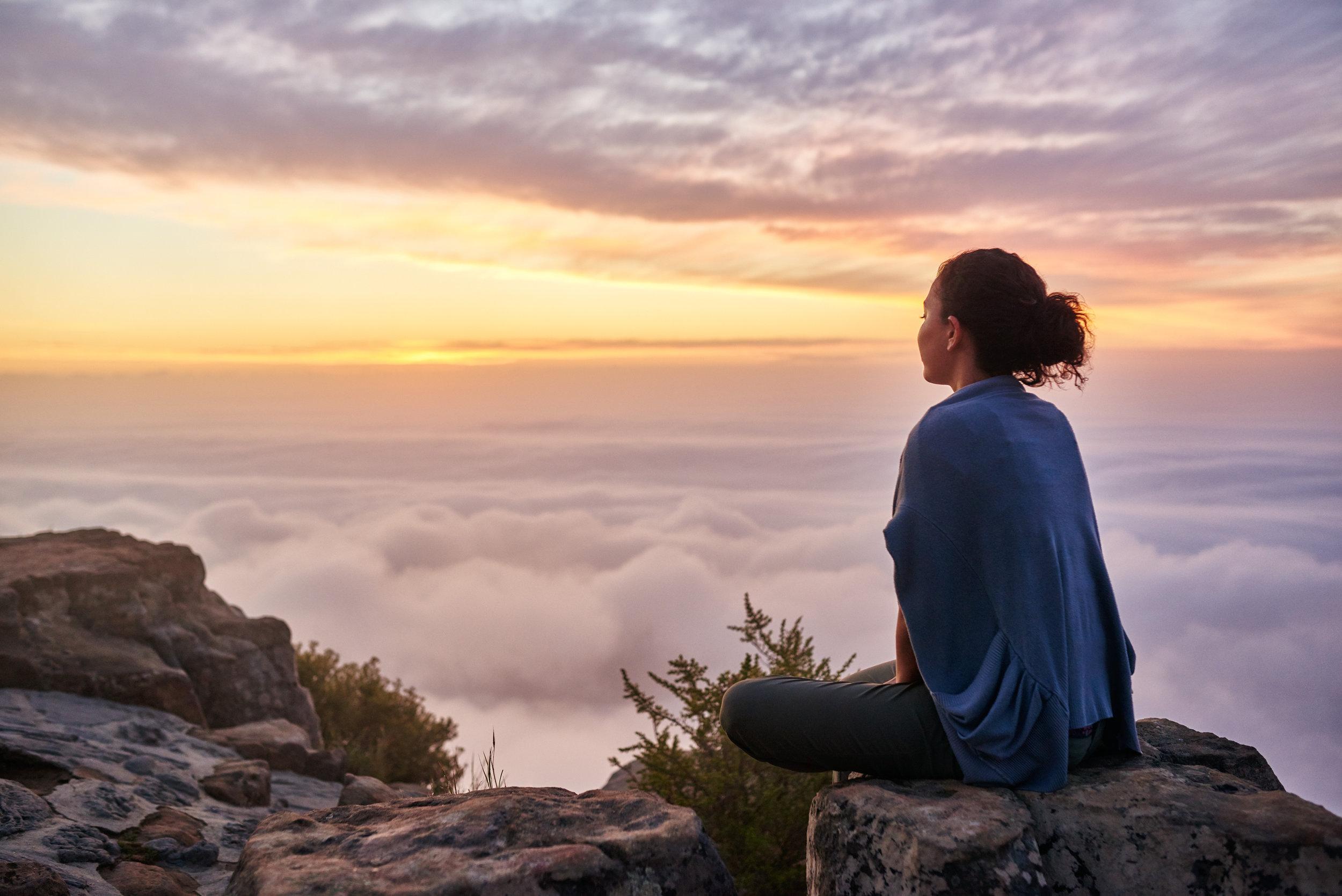
In a world that often feels overwhelming, where the pace of life can churn like a restless sea, the quest for tranquility has become a universal pursuit. Anxiety, an unwelcome companion for many, tends to flourish in the shadows of our fast-paced existence. Yet, amidst the clamor and chaos, there lies a soothing antidote—physical activity. From the rhythmic cadence of a well-timed run to the meditative flow of yoga, movement offers not just an escape, but a pathway to inner peace. This article explores the intricate relationship between physical activity and anxiety relief, shedding light on how our bodies, when engaged in motion, can foster a sense of calm and resilience. Join us as we delve into the science and stories that illuminate this powerful connection, guiding you toward a more balanced state of mind.
Table of Contents
- Exploring the Connection Between Movement and Mental Clarity
- The Role of Different Physical Activities in Reducing Anxiety Levels
- Crafting a Personalized Routine: Tips for Incorporating Exercise Into Daily Life
- Mindfulness in Motion: How to Enhance Your Workouts for Greater Calmness
- Insights and Conclusions
Exploring the Connection Between Movement and Mental Clarity
Many individuals have experienced that moment of clarity that often follows a physical workout, whether it’s a brisk walk, a yoga session, or an intense run. Engaging in physical activity stimulates the release of endorphins, which are natural mood lifters, making it easier to achieve a state of mental focus. This phenomenon occurs as the body engages in movement, drawing attention away from anxious thoughts and redirecting it toward the rhythm of breathing and physical effort. As you immerse yourself in the flow of movement, the sensation of freedom transforms your perspective, helping to ease the mind’s chatter.
The benefits of this connection extend far beyond temporary relief. Regular physical activity can enhance your overall mental well-being by cultivating resilience against anxiety. Here are a few notable advantages:
- Improved Mood: Consistent exercise promotes feelings of happiness and satisfaction.
- Increased Focus: Regular movement enhances cognitive function, sharpening concentration.
- Enhanced Sleep Quality: Physical activity helps regulate sleep patterns, aiding in restorative rest.
- Stress Reduction: Movement serves as an outlet for stress, reducing levels of tension.
The Role of Different Physical Activities in Reducing Anxiety Levels
Engaging in various forms of physical activity can significantly alleviate feelings of anxiety, providing both immediate and long-term benefits. Aerobic exercises, such as running, swimming, and cycling, invigorate the body and release feel-good hormones known as endorphins. These activities not only enhance cardiovascular health but also promote a sense of euphoria that combats anxiety. Additionally, activities that emphasize mind-body connection, such as yoga and tai chi, foster mindfulness and help regulate breath, allowing individuals to develop awareness of their thoughts and emotions—a crucial step in managing anxiety.
Another effective way to combat anxiety is through strength training. By engaging in resistance exercises, individuals can channel their stress into physical exertion, building confidence along with muscle tone. The structured nature of this training can provide a sense of routine and achievement, further reducing anxiety. Furthermore, outdoor activities like hiking or team sports foster social connections, which are vital for mental health and can serve as a buffer against anxiety. Here’s a simple comparison of these activities:
| Activity Type | Benefits for Anxiety |
|---|---|
| Aerobic Exercises | Releases endorphins; boosts mood |
| Mind-Body Practices | Enhances mindfulness; reduces stress |
| Strength Training | Builds confidence; creates routine |
| Outdoor Activities | Promotes social connection; reduces isolation |
Crafting a Personalized Routine: Tips for Incorporating Exercise Into Daily Life
Incorporating exercise into your daily life doesn’t have to feel like an overwhelming task. Start by identifying natural breaks throughout your day, which can serve as reminders to get moving. For instance, consider taking a brisk walk during your lunch hour or doing a quick workout session in the morning before your day really begins. Here are some simple ways to sprinkle physical activity into your routine:
- Opt for the stairs instead of the elevator.
- Take short walking breaks during work hours.
- Participate in active social events, like hiking or dancing.
- Set reminders on your phone to encourage movement.
To make your routine more enticing, find exercises that truly benefit both your body and mind. Many find that mindful practices like yoga not only improve flexibility but also significantly reduce feelings of anxiety. It’s crucial to choose activities that resonate with you, ensuring your commitment stays high. Consider trying:
| Activity | Benefits |
|---|---|
| Yoga | Enhances relaxation and mental clarity. |
| Running | Boosts mood through endorphin release. |
| Swimming | Calming rhythm and low-impact on joints. |
| Dancing | Fun way to express emotion and reduce stress. |
Mindfulness in Motion: How to Enhance Your Workouts for Greater Calmness
Incorporating mindfulness into your workouts can significantly amplify your sense of calm. By focusing on your breath and the sensations in your body, you create a deeper connection to the present moment, transforming routine exercises into meditative experiences. Some effective strategies to enhance this practice include:
- Breath Awareness: Pay attention to your breath’s rhythm; synchronize it with your movements to foster a sense of unity.
- Body Scanning: Before and after your workout, mentally scan your body, acknowledging each part without judgment.
- Nature Integration: If possible, choose to work out in natural settings, allowing the environment to inspire a greater sense of tranquility.
Engaging in activities like yoga or tai chi inherently promotes mindfulness, but you can also infuse elements of calm into traditional workouts like running or weightlifting. To highlight the benefits, consider these mindfulness-enhanced workout types:
| Workout Type | Mindfulness Element | Benefits for Calmness |
|---|---|---|
| Yoga | Breath control and meditation | Reduces anxiety, increases flexibility |
| Running | Focus on breath and surroundings | Cathartic release, boosts mood |
| Weightlifting | Mind-muscle connection | Improves concentration, empowers the mind |
Insights and Conclusions
In a world filled with chaos and uncertainty, finding our inner calm can sometimes feel like a daunting task. Yet, as we’ve explored, the journey to tranquility can be paved with the simplest of actions—physical activity. Whether it’s a brisk walk through nature, an invigorating dance class, or the serene flow of yoga, movement serves as a powerful antidote to anxiety.
As you take your next step, remember that every heartbeat, every stretch, and every breath contributes to a greater sense of well-being. The beauty of physical activity lies not only in its ability to ease anxiety but also in its capacity to connect us to our bodies and the present moment. So, the next time life feels overwhelming, consider reaching for your sneakers or a yoga mat—finding calm may be just a movement away. Embrace this empowering tool, and let the rhythm of your body guide you toward serenity. After all, the path to peace is often marked by the steps we take.