


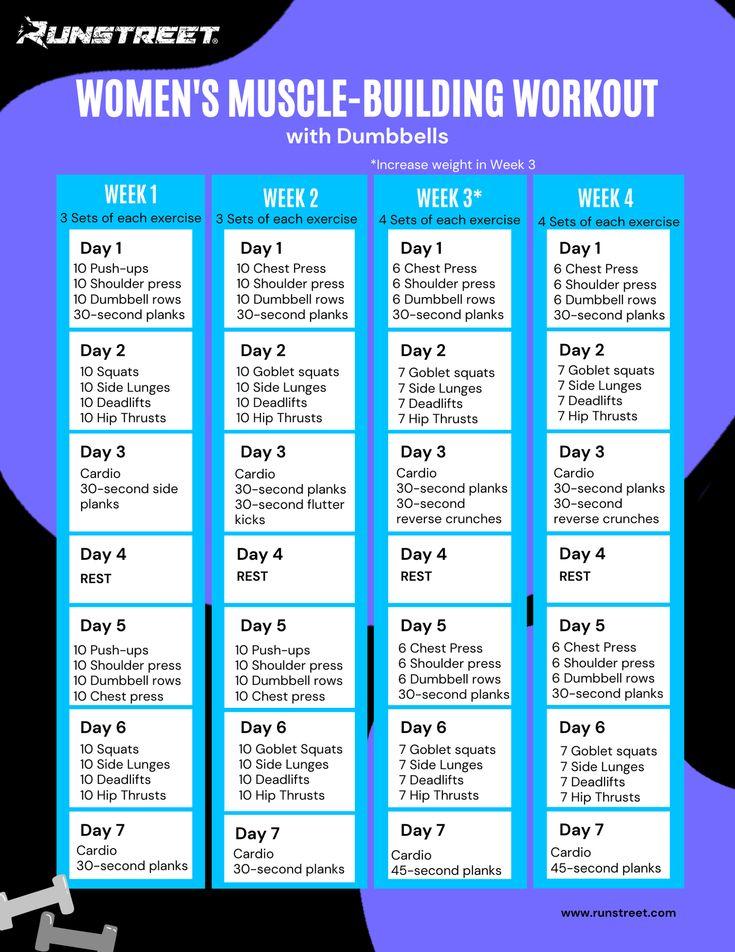
In a world where the pursuit of strength often seems elusive, finding a path that genuinely fosters muscle growth and development can feel overwhelming. “” serves as your guiding light in this quest for physical empowerment. This article delves into the intricacies of building muscle, offering a strategic blend of scientific insights, practical tips, and effective strategies that cater to both beginners and seasoned fitness enthusiasts alike. Whether you’re aiming to transform your physique, enhance your athletic performance, or simply feel more confident in your own skin, our program is designed to equip you with the knowledge and tools necessary to unveil your true strength. Join us as we explore the multifaceted approach to muscle gain that can help anyone unlock their full potential.
Table of Contents
- Understanding the Science Behind Muscle Growth
- Crafting a Personalized Workout Plan for Optimal Results
- Nourishing Your Body: Nutrition Strategies for Muscle Building
- Staying Motivated: Tips to Maintain Consistency and Progress
- To Wrap It Up
Understanding the Science Behind Muscle Growth
Muscle growth, scientifically termed muscle hypertrophy, occurs when the body experiences a situation that challenges its current strength levels, prompting it to adapt by increasing muscle size. This adaptation is primarily driven by two processes: muscle tension and metabolic stress. When you engage in resistance training, your muscles endure micro-tears due to increased load and activity. This triggers an inflammatory response, facilitating the repair and growth of muscle fibers through an intriguing process known as protein synthesis. The balance of these factors is delicately managed by various hormones, notably testosterone and growth hormone, both of which play pivotal roles in muscle development.
Another key element in understanding muscle growth lies in the role of nutrition. A well-rounded diet rich in proteins, carbohydrates, and healthy fats supports muscle recovery and growth by providing essential building blocks and energy. Incorporating foods high in leucine, such as dairy and some legumes, can further optimize protein synthesis. To illustrate the impact of nutrient timing on muscle growth, consider the following table outlining optimal post-workout nutrition:
| Timing | Nutrient | Source |
|---|---|---|
| Immediately after | Protein + Carbs | Whey protein shake + banana |
| 1-2 hours post | Protein | Grilled chicken + quinoa |
| 3-4 hours post | Complex carbs & fats | Brown rice + avocado |
Crafting a Personalized Workout Plan for Optimal Results
To create a workout plan that maximizes muscle gain, it’s essential to consider several individual factors that will contribute to your success. Start by assessing your current fitness level, goals, and availability. A well-structured program should include a balanced mix of strength training, cardiovascular conditioning, and adequate recovery time. Ensure to include exercises that target all major muscle groups, with a focus on compound movements such as squats, deadlifts, and bench presses, which stimulate multiple muscle fibers at once.
When crafting your workout schedule, it’s crucial to build in progressive overload, gradually increasing the weights lifted or the number of repetitions over time. Consider the following key components for your workout plan:
- Frequency: Aim for 3-5 days per week.
- Intensity: Work at 70-85% of your one-rep max.
- Volume: Target 8-12 repetitions per set for muscle hypertrophy.
- Rest: Incorporate 48 hours of recovery between targeting the same muscle groups.
The table below illustrates a sample weekly schedule for a personalized workout plan aimed at optimal strength gain:
| Day | Workout Focus | Example Exercises |
|---|---|---|
| Monday | Upper Body | Bench Press, Pull-Ups, Shoulder Press |
| Wednesday | Lower Body | Squats, Deadlifts, Lunges |
| Friday | Full Body | Deadlifts, Push-Ups, Rows |
| Saturday | Active Recovery | Yoga, Light Cardio, Stretching |
Nourishing Your Body: Nutrition Strategies for Muscle Building
Nourishing your body is an essential component of any effective muscle-building program. Consuming a well-balanced diet rich in macronutrients is key to supporting muscle recovery and growth. Proteins are the building blocks of muscle, and integrating high-quality sources like chicken, fish, legumes, and dairy can significantly enhance your gains. Additionally, don’t overlook the importance of healthy fats from avocados, nuts, and olive oil, which support hormone production and help in the overall recovery process. Carbohydrates, often seen as the enemy in some diets, are crucial for fueling your workouts. Focus on complex carbs such as whole grains, quinoa, and sweet potatoes to provide sustained energy throughout your training sessions.
It’s equally important to map out a strategic meal plan to maximize muscle synthesis. Aim to eat every 3-4 hours to keep your metabolism revved and to supply your body with a constant influx of nutrients. Below is a simple breakdown of a muscle-building meal plan:
| Meal Time | Food Options | Key Nutrients |
|---|---|---|
| Breakfast | Oatmeal with berries and eggs | Carbs, Protein, Antioxidants |
| Snack | Greek yogurt with honey and nuts | Protein, Healthy Fats |
| Lunch | Grilled chicken with quinoa and broccoli | Protein, Carbs, Fiber |
| Snack | Protein shake and banana | Protein, Fast Carbs |
| Dinner | Salmon with sweet potato and asparagus | Omega-3s, Carbs, Vitamins |
Incorporating supplements can also complement your diet, especially if you struggle to meet your protein needs through food alone. Whey protein, creatine, and branched-chain amino acids (BCAAs) are popular among fitness enthusiasts for their effectiveness in promoting muscle recovery and growth. However, it’s vital to prioritize whole foods and consider supplements as just that—supplements to a well-rounded diet. Tailoring your nutrition strategy to include a variety of micronutrients via fruits and vegetables will further enhance your overall health and athletic performance, contributing to greater strength and muscle gains.
Staying Motivated: Tips to Maintain Consistency and Progress
Finding ways to stay engaged in your muscle gain journey can transform challenging moments into opportunities for growth. One effective strategy is to set clear, achievable goals that serve as milestones along your path. Break down your ultimate objectives into smaller, manageable targets, making it easier to celebrate progress and stay enthusiastic. Additionally, consider keeping a training journal to track your workouts, dietary changes, and personal reflections. This not only helps you see how far you’ve come but also provides motivation during times of stagnation.
Another crucial element for maintaining momentum is to cultivate a support network. Surround yourself with like-minded individuals who inspire and encourage you. Whether it’s joining a local gym community, participating in online forums, or connecting with workout buddies, shared experiences can foster accountability. Moreover, don’t forget to reward yourself for consistency. Celebrate your achievements, big or small, with a treat that connects to your journey, like a new workout outfit or a massage. Balance discipline with fun, and your dedication to muscle gain will remain robust.
To Wrap It Up
As you embark on this transformative journey toward unlocking your strength, remember that muscle gain is not merely about lifting weights; it’s a holistic approach to nurturing your body and mind. The program outlined in this article serves as a roadmap—guiding you through carefully structured workouts, nutritional insights, and recovery strategies designed to optimize your progress.
Take the lessons learned here and apply them consistently, allowing patience and discipline to be your steadfast companions. Every individual’s path to strength is unique, so listen to your body, adjust as needed, and celebrate the milestones along the way, no matter how small.
In the world of muscle gain, knowledge is as crucial as perseverance. Equip yourself with the insights provided, and don’t hesitate to seek out additional resources or support from communities and trainers. Embrace the process, and let it empower you to become the strongest version of yourself. The journey may be challenging, but the rewards—both physical and mental—are well worth the effort. Unlock your strength and forge a powerful future, one rep at a time.