


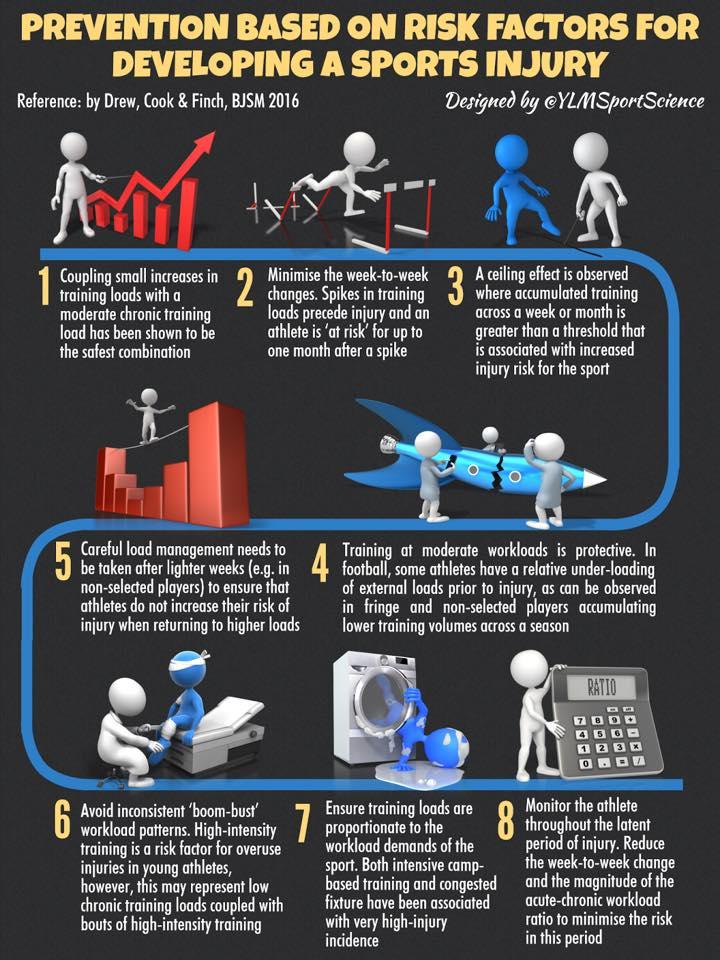
Embarking on a journey of body transformation is often filled with ambition, excitement, and a desire for change. Whether you’re carving out a new fitness regimen, adopting a healthier lifestyle, or aiming for specific physique goals, the path can be both exhilarating and demanding. However, amid the fervor of progress and aspiration, it is crucial to remember that the true essence of transformation lies not just in the outcome, but also in the journey itself. As you push boundaries and strive for improvement, safeguarding your body becomes paramount. Injury prevention is not merely a precaution; it is an integral part of ensuring your efforts are sustainable and ultimately rewarding. In this article, we will explore essential strategies to protect yourself as you navigate your body transformation journey, helping you to achieve your goals while maintaining your well-being and resilience. Join us as we delve into the proactive steps you can take to stay safe, strong, and motivated along the way.
Table of Contents
- Understanding the Risks: Common Injuries in Body Transformation
- Building a Strong Foundation: Essential Warm-Up and Cool-Down Practices
- Mindful Progression: Setting Realistic Goals to Avoid Overexertion
- Nourishing Your Body: The Role of Nutrition in Injury Prevention
- Final Thoughts
Understanding the Risks: Common Injuries in Body Transformation
Embarking on a body transformation journey can be both exhilarating and challenging, but it’s crucial to recognize the potential for injuries that may arise. Muscle strains and sprains are among the most common issues, often resulting from improper technique, overexertion, or a lack of adequate warm-up. These injuries can sideline your progress and cause unnecessary setbacks, making it vital to prioritize proper form and listen to your body’s signals. Other frequent injuries include tendonitis, particularly in the knees and shoulders, where repetitive motion can lead to inflammation and pain. This highlights the importance of variety in your training regimen to avoid overuse injuries.
In addition to strains and tendinitis, certain activities pose specific risks. For example, high-impact workouts may increase the likelihood of joint injuries, such as runner’s knee or shin splints, especially in individuals who have not properly prepared their bodies for intense physical activity. Furthermore, weightlifting without supervision can lead to falls or accidents, resulting in serious injuries. Awareness of these risks is essential in creating an injury prevention strategy. Here’s a quick overview of common injuries and their prevention tips:
| Injury Type | Prevention Tips |
|---|---|
| Muscle Strains | Warm up properly; focus on technique. |
| Tendinitis | Incorporate rest days; vary activities. |
| Joint Injuries | Strengthen surrounding muscles; use proper footwear. |
| Falls/Accidents | Have a spotter; use safety equipment. |
Building a Strong Foundation: Essential Warm-Up and Cool-Down Practices
Before diving into your workout, warming up is crucial for preparing your body both mentally and physically. A well-structured warm-up routine increases blood flow to your muscles, enhances flexibility, and significantly reduces the risk of injuries. Consider incorporating the following essential practices:
- Dynamic Stretching: Engage in movements that mimic the exercises you will perform, such as leg swings or arm circles.
- Low-Intensity Cardio: Spend 5-10 minutes doing activities like brisk walking, cycling, or jumping jacks to elevate your heart rate.
- Movement-Specific Drills: Focus on the specific movements you plan to execute to prep your muscles and joints effectively.
Equally important is the cool-down phase that follows your workout. Cooling down helps your heart rate return to normal and prevents stiffness by gradually decreasing blood flow. A routine that includes these practices can greatly enhance your recovery:
- Static Stretching: Hold each stretch for 15-30 seconds, targeting all major muscle groups to lengthen and relax them.
- Deep Breathing Exercises: Focus on inhaling deeply and exhaling slowly to calm your mind and body post-exercise.
- Foam Rolling: Use a foam roller to release muscle tension and improve circulation, aiding in recovery.
Mindful Progression: Setting Realistic Goals to Avoid Overexertion
In the pursuit of transformation, it’s essential to embrace a balanced approach that prioritizes sustainability over speed. Setting realistic goals allows your body to adjust gradually, minimizing the risk of overexertion and potential injuries. Consider the following strategies to formulate effective objectives:
- Define Your Why: Understanding your motivation will guide your goal-setting process.
- Break It Down: Divide overarching goals into smaller, attainable milestones that can be tracked over time.
- Adjust Regularly: Periodically reassess your goals based on your progress and current fitness levels.
- Focus on Enjoyment: Choose activities that you love and look forward to, making the journey enjoyable.
Writing your goals down can significantly enhance your accountability and commitment. Use a simple table to monitor your progress, such as:
| Goal Type | Target Date | Progress Checkpoints |
|---|---|---|
| Strength | 3 Months | Weekly Assessments |
| Endurance | 6 Months | Bi-Weekly Runs |
| Flexibility | 2 Months | Daily Stretch Routine |
By embracing a mindful approach to goal setting, you empower yourself to listen to your body, cultivate resilience, and celebrate your journey, all while reducing the chances of burnout or injury.
Nourishing Your Body: The Role of Nutrition in Injury Prevention
Fueling your body with the right nutrients is a cornerstone of effective injury prevention. When you prioritize nutrition, you not only enhance your performance but also create a robust foundation that prepares your body to withstand the pressures of training and daily activities. Focus on incorporating a balance of macronutrients, including:
- Proteins: Essential for muscle repair and recovery.
- Carbohydrates: The primary source of energy, particularly during intense workouts.
- Fats: Important for hormone production and cell health.
Additionally, micronutrients play a crucial role in maintaining overall health and preventing injuries. Vitamins and minerals, such as vitamin D for bone health and magnesium for muscle function, should be included in your diet. A colorful plate often indicates a variety of these nutrients. Here’s a quick overview of vital nutrients and their benefits:
| Nutrient | Benefit |
|---|---|
| Calcium | Strengthens bones and helps prevent fractures. |
| Vitamin C | Essential for collagen production; aids in tissue repair. |
| Omega-3s | Reduces inflammation and supports joint health. |
Final Thoughts
As we conclude our exploration of injury prevention in body transformation, it’s essential to recognize that the journey towards fitness is as much about the destination as it is about the steps we take along the way. Just as a sculptor carefully chisels away to reveal the beauty within stone, our bodies require deliberate care and attention to flourish in their transformation. Embracing the principles of injury prevention not only enhances our physical resilience but also deepens our connection to ourselves and our goals.
Incorporating mindfulness, education, and proactive strategies into your fitness regime can ensure that your journey is not interrupted by unforeseen setbacks. Remember, true strength lies not just in pushing through pain but in knowing when to rest, recover, and realign your approach. By prioritizing your well-being, you foster a sustainable path toward remarkable progress and lasting vitality.
So, as you set forth on your journey, armed with knowledge and a commitment to safeguarding your body, take each step with intention. Celebrate your milestones, no matter how small, and give yourself grace along the way. Ultimately, it’s not just about achieving a new physique; it’s about cultivating a healthier relationship with yourself, one that withstands the test of time. Here’s to transforming not just our bodies, but also our lives. Safe travels on your journey ahead!