


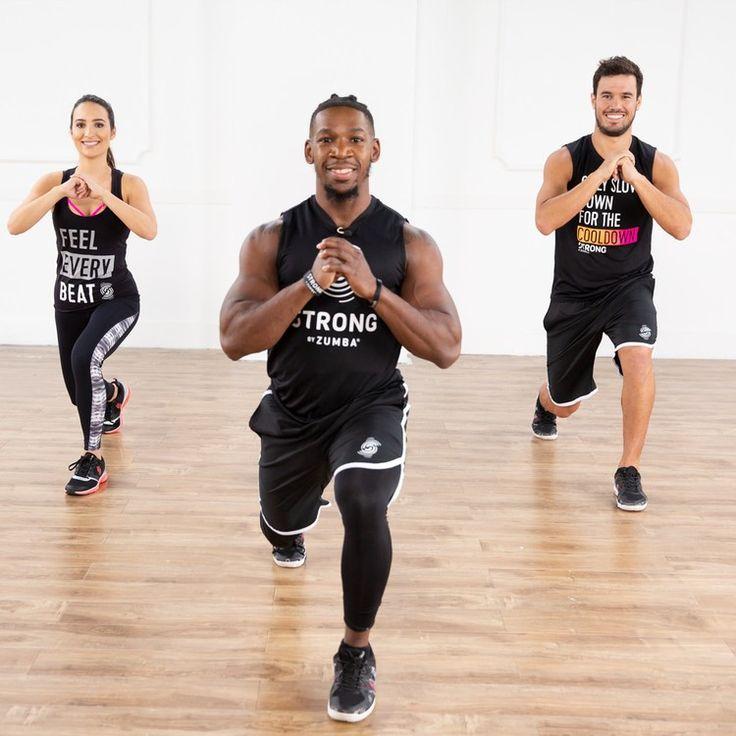
Zumba has emerged as a popular fitness trend over the past few decades, captivating individuals of all ages with its vibrant blend of dance and aerobic exercise. Originally developed in the 1990s, this high-energy workout incorporates various dance styles set to energetic music, making it an enjoyable alternative to traditional forms of exercise. In this article, we will explore the numerous benefits that Zumba workouts can offer, including improved cardiovascular fitness, enhanced coordination, and increased flexibility. Additionally, we will discuss various techniques and approaches that can maximize the effectiveness of Zumba sessions, catering to different fitness levels and preferences. By examining both the physiological and psychological advantages of participating in Zumba, we aim to provide a comprehensive understanding of why this workout has gained significant traction in the realm of physical fitness.
Table of Contents
- Understanding the Physical and Mental Health Benefits of Zumba
- Techniques for Maximizing the Effectiveness of Zumba Workouts
- Incorporating Zumba into a Balanced Fitness Regimen
- Choosing the Right Zumba Class for Your Fitness Level and Goals
- Key Takeaways
Understanding the Physical and Mental Health Benefits of Zumba
Zumba is not just a dance exercise; it’is a holistic approach to fitness that blends cardiovascular workouts with rhythmic movements, catering to both physical and mental well-being. Engaging in Zumba leads to a range of physical health benefits, including improved cardiovascular fitness, enhanced coordination, and increased endurance. Additionally, the rhythmic nature of the dance routines can aid in weight management. Participants often experience calorie burns ranging from 300 to 600 calories per session, depending on intensity, which makes it an effective option for those looking to maintain or lose weight. The combination of various styles of dance, such as salsa, merengue, and reggaeton, not only keeps the routine exciting and dynamic but also promotes improved flexibility and muscle tone.
Equally important is Zumba’s impact on mental health. The energetic atmosphere and social interaction fostered during classes can stimulate endorphin production, typically known as the “feel-good” hormones. This leads to a notable reduction in stress levels and enhances mood. The communal aspect of Zumba provides a supportive environment, offering opportunities for socialization and the formation of friendships, which are vital for emotional resilience. Furthermore, the music selection and the joyful expression of dancing contribute to a therapeutic escape, allowing participants to channel their emotions positively. To summarize the benefits, consider the table below:
| Physical Benefits | Mental Benefits |
|---|---|
| Improved cardiovascular fitness | Reduced stress levels |
| Enhanced coordination | Increased endorphin production |
| Increased endurance | Boosted mood and emotional resilience |
| Weight management | Opportunities for social interaction |
Techniques for Maximizing the Effectiveness of Zumba Workouts
To maximize the effectiveness of Zumba workouts, individuals should focus on a few key techniques that enhance both enjoyment and results. Setting clear fitness goals can significantly influence performance; whether aiming for weight loss, improved cardiovascular health, or increased energy levels, having defined objectives helps participants stay motivated. Additionally, engaging fully with the music is essential—allowing the rhythm to guide movements not only makes workouts more enjoyable but also promotes greater calorie burn. Incorporating a mix of high and low-intensity intervals can challenge the body and stimulate different muscle groups, which ultimately leads to improved strength and endurance.
Another critical facet for maximizing Zumba’s effectiveness is maintaining proper form throughout the exercises. This not only helps prevent injuries but also ensures that participants are working their muscles efficiently. It can be beneficial to take beginner classes or follow online tutorials to master techniques before progressing to more advanced routines. Furthermore, staying hydrated and dressing in appropriate workout gear can make a substantial difference in performance levels. the key elements for captivating Zumba sessions include:
- Setting clear fitness goals
- Engaging fully with the music
- Mixing high and low-intensity intervals
- Maintaining proper form
- Taking beginner classes as needed
- Staying hydrated and dressed appropriately
Incorporating Zumba into a Balanced Fitness Regimen
Integrating Zumba into a fitness routine can enhance both cardiovascular health and overall physical fitness. This dynamic dance workout not only promotes weight loss but also improves coordination and flexibility. By participating in Zumba classes, individuals can achieve a balance between aerobic exercise and strength training. To effectively incorporate Zumba into a balanced regimen, consider the following components:
- Frequency: Aim for 2-3 Zumba sessions per week to maintain enthusiasm without overdoing it.
- Complementary Workouts: Pair Zumba with strength training or yoga on alternate days to ensure comprehensive fitness.
- Nutrition: Maintain a healthy diet to fuel the body for high-energy Zumba sessions and aid recovery.
- Rest Days: Include rest or light activity days to prevent fatigue and burnout.
To provide a clearer perspective on how Zumba fits into a well-rounded fitness regimen, here’s a simple comparison of exercises:
| Activity | Duration (minutes) | Calories Burned (approx.) | Benefits |
|---|---|---|---|
| Zumba | 60 | 400-600 | Cardio, fun, coordination |
| Strength Training | 30 | 150-300 | Builds muscle, boosts metabolism |
| Yoga | 30 | 100-200 | Flexibility, stress relief |
| Walking/Jogging | 30 | 200-400 | Cardio, endurance improvement |
Choosing the Right Zumba Class for Your Fitness Level and Goals
When selecting a Zumba class, it’s essential to consider your current fitness level. Classes are often categorized to accommodate varying levels of participants. Beginner classes focus on introducing basic dance moves and rhythms, making them ideal for those new to Zumba or group exercise. For individuals with some dance experience or fitness background, intermediate classes offer more complex choreography and quicker-paced routines. Advanced classes are suited for seasoned Zumba enthusiasts looking for a challenging workout that pushes their limits.
Aligning your class choice with your personal fitness goals can significantly enhance your Zumba experience. If you’re aiming for weight loss, look for classes that emphasize higher-intensity workouts, which may incorporate additional cardio elements. For those seeking to improve coordination and have fun while staying active, a class featuring a variety of dance styles can be incredibly motivating. Consider the following factors when choosing a class:
- Class Duration: Shorter classes may be less daunting for beginners.
- Instructor Style: Different instructors have varied approaches; find one that resonates with you.
- Class Size: Smaller classes may provide more attention, while larger groups can enhance social interaction.
- Music Genre: Select a class that plays music you enjoy to keep you engaged.
Key Takeaways
Zumba workouts offer a dynamic and engaging way to enhance physical fitness while enjoying the benefits of dance and music. The combination of rhythmic movements, varied intensity levels, and a supportive environment creates an effective exercise option for individuals of all ages and fitness backgrounds. Beyond physical benefits such as improved cardiovascular health, increased flexibility, and enhanced coordination, Zumba also promotes mental well-being through social interaction and the joy of movement. By understanding the various techniques and styles within Zumba, individuals can tailor their workouts to meet personal goals and preferences. As the popularity of this fitness trend continues to grow, it presents an accessible avenue for improving overall health and fostering a sense of community among participants. Whether you are a seasoned fitness enthusiast or new to exercise, incorporating Zumba into your routine could be a beneficial choice for both body and mind.