


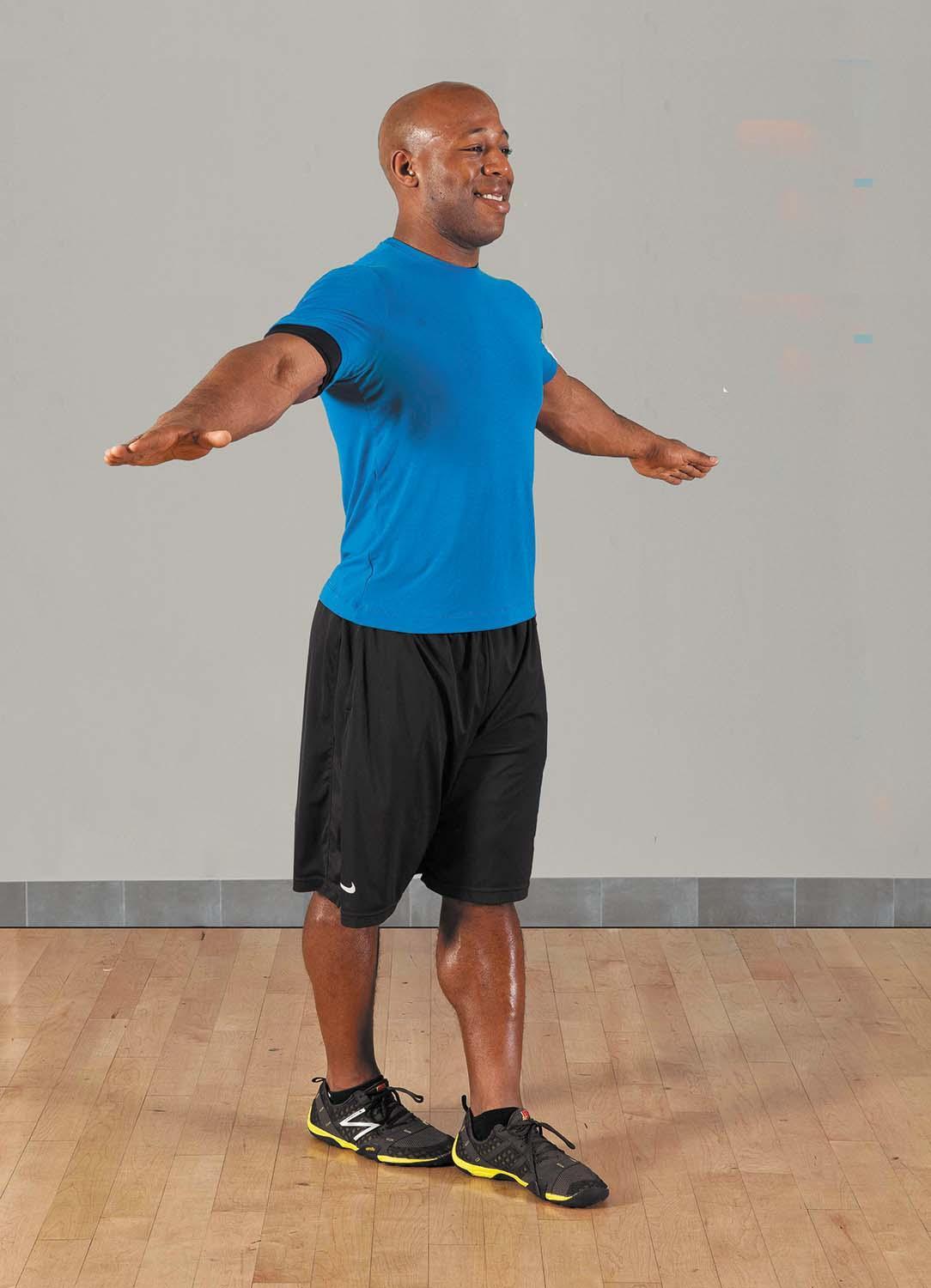
When it comes to enhancing your balance and stability, physical training is only part of the equation. While exercises such as yoga, Pilates, and specific balance workouts can significantly improve your proprioception and coordination, what you put into your body plays an equally vital role in your overall performance. Nutrition not only fuels your workouts but also supports recovery, muscle maintenance, and the essential metabolic processes that contribute to improved balance. In this article, we’ll explore key nutrition tips that can help you optimize your balance training routine. From understanding the importance of hydration to selecting the right macronutrients, these insights will empower you to make informed dietary choices that complement your training efforts and boost your results. Whether you’re an athlete looking to enhance your performance or simply aiming to improve your everyday stability, the right nutrition can make all the difference. Let’s dive into the essentials you need to know to elevate your balance training to new heights.
Table of Contents
- Understanding the Role of Nutrition in Balance Training
- Key Nutrients for Enhancing Stability and Performance
- Meal Timing and Composition for Optimal Balance Exercises
- Hydration Strategies to Support Balance Training Efficiency
- Concluding Remarks
Understanding the Role of Nutrition in Balance Training
Nutrition plays a pivotal role in enhancing the effectiveness of balance training by providing the necessary energy and nutrients to support optimal performance. When engaging in activities that require stability and coordination, your body demands fuel to maintain focus and proper function. This is where a balanced diet comes into play, ensuring you consume a variety of essential macronutrients and micronutrients. Focus on incorporating:
- Complex Carbohydrates: Opt for whole grains, fruits, and vegetables to sustain energy levels.
- Lean Proteins: Include chicken, fish, beans, and legumes for muscle repair and growth.
- Healthy Fats: Avocados, nuts, and olive oil can help with joint health and overall recovery.
Moreover, hydration cannot be overlooked as it significantly affects balance and concentration. Dehydration can lead to decreased coordination, increasing the risk of falls or injury during balance training. To optimize your hydration strategy, consider the following:
| Hydration Tips | Recommended Intake |
|---|---|
| Drink water before training | 15-20 oz |
| Sip water during training | 7-10 oz every 10-20 mins |
| Post-training hydration | 16-24 oz per lb lost |
By prioritizing proper nutrition and hydration, you can significantly enhance your balance training effectiveness, ultimately leading to better performance and reduced injury risk.
Key Nutrients for Enhancing Stability and Performance
To optimize your balance training, it’s essential to focus on specific nutrients that help enhance both stability and overall performance. Proteins play a pivotal role in muscle repair and growth, thus supporting your body in adapting to the demands of balance exercises. Incorporate sources like lean meats, fish, legumes, and dairy into your diet for optimal benefits. Additionally, healthy fats—found in foods such as avocados, nuts, and olive oil—are critical for hormonal balance and can improve your energy levels and endurance throughout training sessions.
Moreover, carbohydrates are fundamental as they provide the necessary fuel for intense workouts and recovery. Focus on complex carbohydrates from whole grains, fruits, and vegetables, which offer sustained energy and essential vitamins and minerals. Hydration is equally important; staying well-hydrated can directly influence your body’s ability to perform at its peak. Lastly, consider including micro-nutrients like magnesium and vitamin D into your regimen, as they are known to improve muscle function and balance, ultimately contributing to a more effective training experience.
Meal Timing and Composition for Optimal Balance Exercises
When it comes to enhancing your balance training, meal timing is an essential component that can significantly influence your performance. Consuming a balanced meal 1-2 hours before your training session helps fuel your body with the right nutrients. Focus on a combination of carbohydrates, proteins, and healthy fats, allowing your body to function optimally. Some recommended pre-workout snacks include:
- Sliced apple with almond butter
- Greek yogurt with berries
- Oatmeal topped with banana
Post-session nutrition is just as crucial for recovery and muscle repair. Aim to eat within 30-60 minutes after your training to replenish glycogen stores and provide the necessary building blocks for muscle recovery. An ideal post-workout meal contains a good mix of protein and carbs to help your body recover effectively. Here’s a simple table showcasing some great post-workout options:
| Food Item | Protein (g) | Carbs (g) |
|---|---|---|
| Grilled chicken with quinoa | 30 | 40 |
| Protein smoothie with spinach | 25 | 30 |
| Eggs on whole-grain toast | 20 | 25 |
Hydration Strategies to Support Balance Training Efficiency
Maintaining optimal hydration is crucial for enhancing balance training efficiency. Dehydration can impair cognitive function and physical performance, significantly impacting your ability to execute balance exercises effectively. Start by incorporating the following strategies into your routine to stay well-hydrated:
- Drink Water Before, During, and After Training: Aim for a glass of water 30 minutes prior to your workouts and keep sipping throughout your session.
- Use Hydration Reminders: Set alarms on your phone or apps that remind you to hydrate, especially during long training sessions.
- Monitor Your Hydration Status: Keep an eye on the color of your urine; pale yellow is ideal, while a darker shade indicates dehydration.
During intense balance training, electrolyte balance is just as important as water intake. Incorporating electrolyte-rich beverages or foods can replenish lost minerals and support muscular function. Consider including:
| Electrolyte Source | Benefits |
|---|---|
| Coconut Water | Rich in potassium, great for muscle function and hydration. |
| Sports Drinks | Contains sodium and carbohydrates to replenish energy and electrolytes. |
| Fruits (e.g., Bananas, Oranges) | Naturally hydrating and full of essential vitamins and minerals. |
By implementing these hydration strategies, you can significantly enhance your balance training sessions, ensuring that your body remains ready and responsive throughout each workout.
Concluding Remarks
optimizing your balance training involves more than just the exercises you perform; it also hinges on the quality of your nutrition. By fueling your body with the right nutrients, you can enhance your performance, improve recovery, and ultimately achieve greater stability and strength. Remember to prioritize a balanced diet rich in whole foods, stay hydrated, and consider the timing of your meals in relation to your training sessions.
Implementing these essential nutrition tips will not only support your balance training but can also lead to overall improved health and wellness. As you embark on or continue your journey towards greater balance, keep these nutritional strategies in mind to help you stay on track and reach your goals. Here’s to stronger, more stable days ahead!