


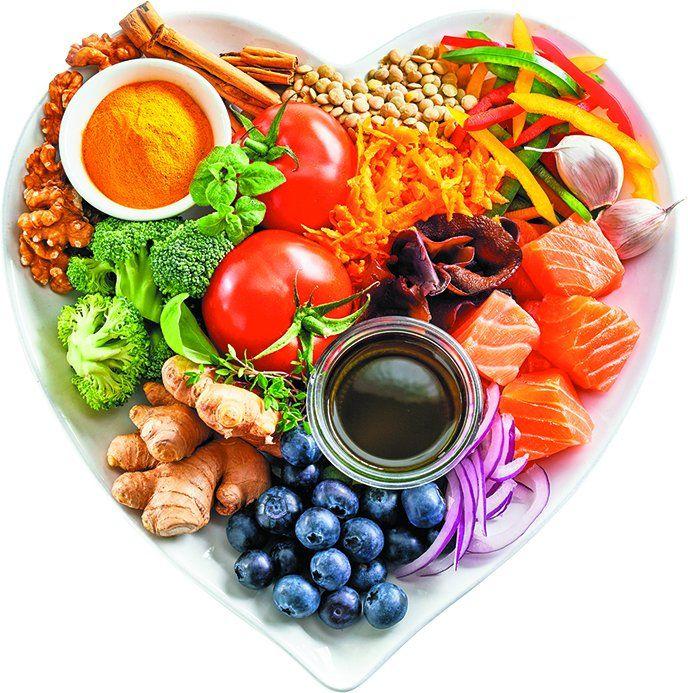
In the quest for optimal health and peak performance, the relationship between nutrition and physical activity is often overlooked. While many individuals understand the importance of regular exercise, fewer recognize how crucial the right fuel is for maximizing their efforts. Nutrition plays a pivotal role in not only enhancing athletic performance but also in supporting overall wellness and recovery. This article delves into the intricate connection between what we eat and how we move, providing insights on how to effectively combine nutrition with exercise to achieve fitness goals. Whether you’re a seasoned athlete or a weekend warrior looking to boost your routine, understanding this link is essential for fueling your fitness journey. Join us as we explore the essential nutrients that power your workouts, the timing of meals, and practical tips for crafting a diet that complements your active lifestyle.
Table of Contents
- Understanding Macronutrients for Optimal Performance
- The Role of Hydration in Exercise Efficiency
- Timing Your Meals to Maximize Energy Levels
- Nutritional Strategies for Recovery and Muscle Repair
- The Way Forward
Understanding Macronutrients for Optimal Performance
To optimize performance, understanding the role of macronutrients—carbohydrates, proteins, and fats—is essential. Each plays a significant part in fueling the body, influencing everything from energy levels to recovery times. Consuming a balanced mix helps maintain a stable energy supply during workouts and throughout the day. Carbohydrates serve as the body’s primary energy source, particularly during high-intensity exercise. While proteins are crucial for muscle repair and growth, fats supply long-lasting energy for lower-intensity activities. Recognizing the importance of these macronutrients ensures that athletes can tailor their diets to meet their specific performance goals.
For those looking to sharpen their nutrition strategy, consider the following key points regarding each macronutrient:
- Carbohydrates: They should comprise 45-65% of total daily calories, particularly focusing on whole grains, fruits, and vegetables.
- Proteins: Aim for 10-35% of total daily intake, with lean meats, legumes, and dairy being great sources.
- Fats: Contribute 20-35% of overall calories, focusing on healthy fats from nuts, seeds, and avocados.
| Macronutrient | Functions | Recommended Percentage |
|---|---|---|
| Carbohydrates | Primary energy source | 45-65% |
| Proteins | Muscle repair and growth | 10-35% |
| Fats | Sustained energy and nutrient absorption | 20-35% |
The Role of Hydration in Exercise Efficiency
Staying adequately hydrated is crucial for maximizing exercise efficiency. Water plays a vital role in numerous physiological functions, including temperature regulation, joint lubrication, and nutrient transportation. When the body is well-hydrated, muscles receive the oxygen and nutrients they require to perform at their best, reducing the risk of fatigue and cramping. Dehydration, on the other hand, can lead to significant declines in performance, impairing strength, endurance, and overall athletic ability. It’s vital for anyone engaging in physical activity to pay attention to their fluid intake, especially during prolonged or high-intensity workouts.
To ensure optimal hydration, consider the following guidelines:
- Pre-Workout: Aim to drink 16-20 ounces of water at least two hours before exercising.
- During Activity: Sip on 7-10 ounces of water every 10-20 minutes while working out.
- Post-Workout: Replenish with 16-24 ounces of water for every pound lost during exercise.
| Hydration Tips | Recommended Amount |
|---|---|
| Before Exercise | 16-20 oz |
| During Exercise | 7-10 oz every 10-20 min |
| After Exercise | 16-24 oz for every lb lost |
Remember that hydration needs can vary depending on individual factors such as climate, workout intensity, and personal sweat rates. It’s important to listen to your body and adjust your fluid intake accordingly, and consider incorporating electrolyte-rich beverages if you’re exercising for extended periods or in extreme conditions. By prioritizing hydration in your fitness routine, you’ll not only enhance your exercise efficiency but also support recovery and overall well-being.
Timing Your Meals to Maximize Energy Levels
Timing your meals is crucial for maintaining optimal energy levels, especially for those engaged in regular physical activity. Consuming the right foods at the right times can enhance performance, recovery, and overall well-being. To achieve this, consider the following strategies:
- Pre-workout nutrition: Aim to eat a balanced meal 2-3 hours before exercising, focusing on carbohydrates and proteins to provide sustained energy.
- Snack wisely: If you need a boost closer to workout time, a small snack rich in carbs, like a banana or a handful of nuts, can help elevate energy levels.
- Post-workout recovery: Within 30 minutes of finishing your workout, prioritize protein and carbs to aid muscle recovery and replenish glycogen stores.
Establishing a schedule for your meals can further optimize energy management. Here’s a table that outlines a sample meal timetable to help you strategize your nutrient intake:
| Time | Meal/Snack | Focus |
|---|---|---|
| 7:00 AM | Breakfast | Complex carbs, protein (e.g., oatmeal with eggs) |
| 10:00 AM | Morning Snack | Fruit or yogurt for quick energy |
| 12:30 PM | Lunch | Balanced meal with proteins, healthy fats, and carbs |
| 3:30 PM | Afternoon Snack | Nut-based snack or protein bar |
| 6:00 PM | Dinner | Lean protein, vegetables, and whole grains |
By adhering to a structured meal schedule, you can fine-tune your energy levels throughout the day, leading to improved performance and more effective workouts.
Nutritional Strategies for Recovery and Muscle Repair
Recovery is a crucial phase post-exercise, and the right nutritional strategies can significantly enhance muscle repair and overall recovery. Focus on incorporating macronutrients and micronutrients that support muscle regeneration. For optimal repair, prioritize the following:
- Protein: Essential for rebuilding muscle fibers; aim for sources such as lean meats, dairy, legumes, and plant-based proteins.
- Carbohydrates: Replenish glycogen stores; consider whole grains, fruits, and starchy vegetables.
- Healthy Fats: In moderate amounts, fats such as avocados and nuts can help reduce inflammation.
Moreover, staying hydrated is vital for recovery. Dehydration can hinder muscle function and prolong recovery times. To further enhance the recovery process, consider these micronutrients:
| Micronutrient | Function | Sources |
|---|---|---|
| Vitamin C | Supports collagen synthesis and reduces oxidative stress | Citrus fruits, bell peppers, strawberries |
| Magnesium | Aids in muscle relaxation and reduces cramps | Leafy greens, nuts, seeds |
| Zinc | Crucial for protein synthesis and immune function | Meat, shellfish, legumes |
The Way Forward
As we wrap up our exploration of the vital connection between nutrition and physical activity, it’s clear that fueling your fitness journey goes far beyond mere calorie counting. By understanding how different nutrients impact your body’s performance and recovery, you can make informed dietary choices that enhance your workouts and overall health.
Whether you’re a seasoned athlete or just beginning your fitness adventure, remember that what you eat plays a pivotal role in how you feel, perform, and recover. Embrace whole foods, prioritize balanced meals, and listen to your body’s signals.
As you step into your next workout, consider how a well-fueled body can transform your efforts into measurable results. Nutrition and activity form a powerful partnership—so equip yourself with knowledge, make mindful choices, and watch as your fitness goals become increasingly attainable.
Stay tuned for more insights on optimizing your wellness journey, and here’s to a healthier, more energetic you!