


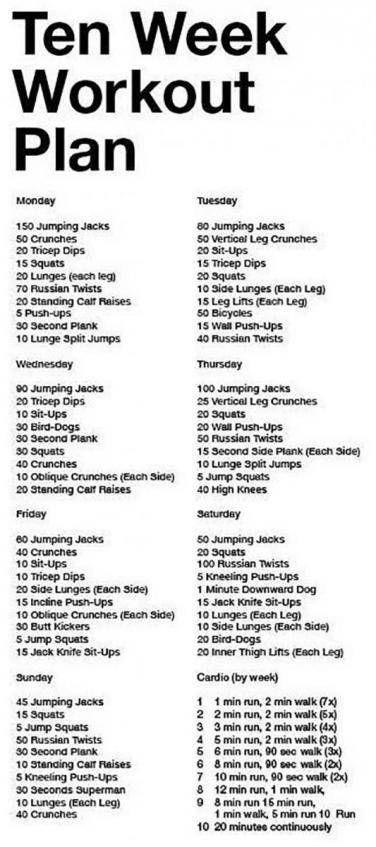
In the pursuit of achieving optimal muscle gain, selecting an effective workout routine is crucial. With a myriad of training programs available, individuals often find themselves navigating a complex landscape of fitness practices, each claiming to deliver superior results. This article aims to provide an objective overview of various workout routines that have been recognized for their efficacy in promoting muscle hypertrophy. By examining the principles behind strength training, as well as the importance of consistency, progressive overload, and proper nutrition, readers will gain insights into crafting a personalized approach that aligns with their fitness goals. Whether you are a beginner seeking to establish a foundational regimen or an experienced athlete aiming to refine your strategy, understanding the key components of effective workout routines is essential for maximizing muscle gain.
Table of Contents
- Understanding Muscle Hypertrophy and Its Importance
- Key Components of an Effective Workout Routine
- Recommended Exercises for Targeting Major Muscle Groups
- The Role of Nutrition in Supporting Muscle Growth
- In Retrospect
Understanding Muscle Hypertrophy and Its Importance
Muscle hypertrophy is the process through which muscle fibers increase in size, primarily as a response to resistance training. This phenomenon is crucial for anyone aiming to enhance their strength and physical appearance. There are two primary types of hypertrophy: myofibrillar hypertrophy, which focuses on increasing the density and strength of muscle fibers, and sarcoplasmic hypertrophy, which increases the muscle’s overall endurance and energy-storing capacity. Understanding the differences between these types can help individuals structure their training routines to align with specific fitness goals, ensuring a more targeted and effective approach to gaining muscle mass.
Recognizing the importance of muscle hypertrophy is essential for optimizing workout routines. Engaging in resistance training not only improves muscle size but also contributes to better metabolic health, enhances bone density, and improves overall physical performance. The following points highlight the significance of muscle hypertrophy:
- Increased Strength: Larger muscle fibers can generate more force, allowing for heavier lifts.
- Improved Aesthetic Appeal: Muscle size contributes to a toned and muscular appearance.
- Enhanced Recovery: Larger muscles can better withstand and recover from strenuous activity.
- Higher Metabolic Rate: An increase in muscle mass can boost metabolism, aiding in weight management.
Key Components of an Effective Workout Routine
For a workout routine to be effective, it must incorporate various essential elements that cater to muscle growth and recovery. Progressive overload is a critical principle; it involves gradually increasing the weights, reps, or intensity of exercises to continually challenge the muscles. Additionally, exercise variety is crucial to prevent plateaus and to ensure that different muscle groups are targeted. This can include a mix of compound movements, such as squats and deadlifts, alongside isolation exercises like bicep curls and tricep extensions. Consider integrating the following components:
- Frequency: Hit each muscle group at least 2-3 times per week.
- Intensity: Utilize weights that are 70-85% of your one-rep max.
- Volume: Aim for 3-5 sets of 8-12 reps for hypertrophy.
- Rest: Allow muscle recovery with 48 hours between sessions targeting the same group.
Another pivotal aspect of an effective routine is the inclusion of proper nutrition and hydration to support muscle recovery and growth. A well-structured diet rich in protein, carbohydrates, and healthy fats can enhance performance and improve results. Additionally, keeping track of your progress and adjustments can play a significant role in sustaining motivation and refining your routine. Monitor your lifts and consider the following strategies:
| Strategy | Description |
|---|---|
| Log Workouts | Document weights, reps, and sets for accountability. |
| Set Goals | Establish short-term and long-term objectives. |
| Mix Training Styles | Incorporate strength, hypertrophy, and endurance phases. |
Recommended Exercises for Targeting Major Muscle Groups
To achieve optimal muscle gain, it’s essential to include exercises that engage all major muscle groups. Incorporating compound movements allows for maximum efficiency and results, targeting multiple muscles simultaneously. Focus on the following exercises as part of your routine:
- Squats: A fundamental movement that targets the quads, hamstrings, and glutes.
- Deadlifts: Effective for developing the entire posterior chain, including the back, glutes, and hamstrings.
- Bench Press: Excellent for building chest, shoulders, and triceps.
- Pull-Ups: Great for enhancing strength in the back and biceps.
- Overhead Press: Ideal for shoulder development and engaging the core.
To structure your routine effectively, consider using a balanced approach that covers different muscle groups throughout the week. A simple weekly schedule could look like this:
| Day | Focus Area |
|---|---|
| Monday | Legs (Squats, Deadlifts) |
| Wednesday | Chest and Triceps (Bench Press) |
| Friday | Back and Biceps (Pull-Ups, Overhead Press) |
The Role of Nutrition in Supporting Muscle Growth
Nutrition plays a pivotal role in muscle growth by providing the essential building blocks that the body needs to repair and build muscle tissues after strenuous workouts. A well-structured diet can enhance recovery, increase strength, and ultimately lead to improved performance in the gym. The primary nutrients that support muscle growth include:
- Proteins: Essential for muscle repair and synthesis. Lean meats, fish, eggs, and legumes are top sources.
- Carbohydrates: Fuel the body and replenish glycogen stores, crucial for sustaining energy during workouts. Whole grains, fruits, and vegetables should be prioritized.
- Fats: Support hormonal balance and provide slow-burning energy. Healthy fats from nuts, seeds, and avocados are beneficial.
It’s important to note that timing and quality of nutrition can also influence muscle growth. Consuming a combination of protein and carbohydrates before and after workouts can optimize recovery and muscle synthesis. The following table illustrates recommended nutrient timings around workout sessions:
| Time | Nutrient Focus | Examples |
|---|---|---|
| 1-2 Hours Before Workout | Carbohydrates + Protein | Banana and Greek yogurt |
| Immediately After Workout | Protein + Carbohydrates | Protein shake with fruit |
| 1-2 Hours Post Workout | Balanced Meal | Chicken, brown rice, and vegetables |
In Retrospect
effective workout routines for optimal muscle gain require a strategic approach that incorporates a variety of training techniques, proper nutrition, and adequate recovery. Whether you are a beginner or an experienced lifter, understanding the principles of progressive overload, exercise selection, and training frequency is crucial for achieving your goals. It is essential to listen to your body, adjust your regimen as needed, and remain consistent in your efforts. By following the guidelines outlined in this article, individuals can develop a personalized workout plan that not only maximizes muscle growth but also promotes overall fitness and well-being. As always, consulting with a fitness professional can provide additional insight tailored to individual needs and conditions.