


In a world that often celebrates fast-paced living and relentless productivity, we frequently overlook a simple yet profound path to well-being: the art of stretching and flexibility. “” invites you to pause and explore how these often-underestimated practices can transform your physical health, mental clarity, and overall quality of life. With roots in ancient traditions and backed by modern science, stretching and flexibility training are not merely acts of physical adjustment; they are powerful tools for cultivating a deeper connection between body and mind. Join us as we delve into the myriad benefits of incorporating these practices into your daily routine, unlocking the potential for a more balanced, resilient, and healthful existence.
Table of Contents
- The Science Behind Stretching: Understanding Its Benefits for Body and Mind
- Incorporating Stretching into Daily Routines: Practical Tips for Success
- Exploring Different Stretching Techniques: From Static to Dynamic
- Cultivating Flexibility: A Guide to Setting and Achieving Personal Goals
- Future Outlook
The Science Behind Stretching: Understanding Its Benefits for Body and Mind
Stretching is not just a simple exercise; it’s a fundamental aspect of physical wellness that influences both the body and mind. When we stretch, we engage our muscles and tendons, promoting flexibility and reducing the risk of injury. This physical activity increases blood flow to the muscles, which accelerates recovery and can alleviate tightness. Furthermore, stretching is linked to improved circulation, which can enhance overall bodily function. Some key physical benefits include:
- Enhanced Flexibility: Increases range of motion in joints.
- Injury Prevention: Reduces the likelihood of strains and sprains.
- Muscle Relaxation: Alleviates tension post-exercise.
- Improved Posture: Helps maintain alignment and balance.
On a psychological level, stretching offers profound benefits as well. It serves as a mindful practice, allowing individuals to center their thoughts and cultivate mental clarity. Engaging in regular stretching routines activates the body’s parasympathetic nervous system, which promotes relaxation and decreases stress. This intertwining of body and mind can lead to increased emotional resilience and enhanced mindfulness. Notable mental benefits include:
- Stress Reduction: Acts as a natural tension reliever.
- Improved Mood: Releases endorphins that elevate happiness.
- Enhanced Focus: Encourages clarity and concentration through mindful breathing.
- Boosted Creativity: Stimulates the mind, allowing for new ideas to flourish.
Incorporating Stretching into Daily Routines: Practical Tips for Success
Incorporating stretching into your daily routine can transform your physical and mental well-being in uncomplicated ways. To seamlessly integrate this practice, consider setting specific times throughout your day dedicated to stretching. A few helpful suggestions include:
- Morning Routine: Spend five minutes after waking up to stretch major muscle groups. This practice can awaken your body and enhance circulation.
- Work Breaks: Use every hour’s break to perform a quick series of stretches, focusing on areas that tend to get tight, like the neck, shoulders, and back.
- Evening Wind-Down: Before bed, conclude your day with a gentle stretching session to relax your muscles and prepare your mind for sleep.
Another effective approach is to incorporate stretches into activities you already do. Transform mundane tasks into opportunities for flexibility training by following these strategies:
- Waiting Times: While waiting for the kettle to boil or during a commercial break, perform a few standing stretches like toe touches or side bends.
- Travel: On long journeys, take time to stretch your legs and back after every couple of hours to keep your body agile and reduce stiffness.
- Before Exercise: Always warm up with dynamic stretches to enhance performance and protect against injury.
Exploring Different Stretching Techniques: From Static to Dynamic
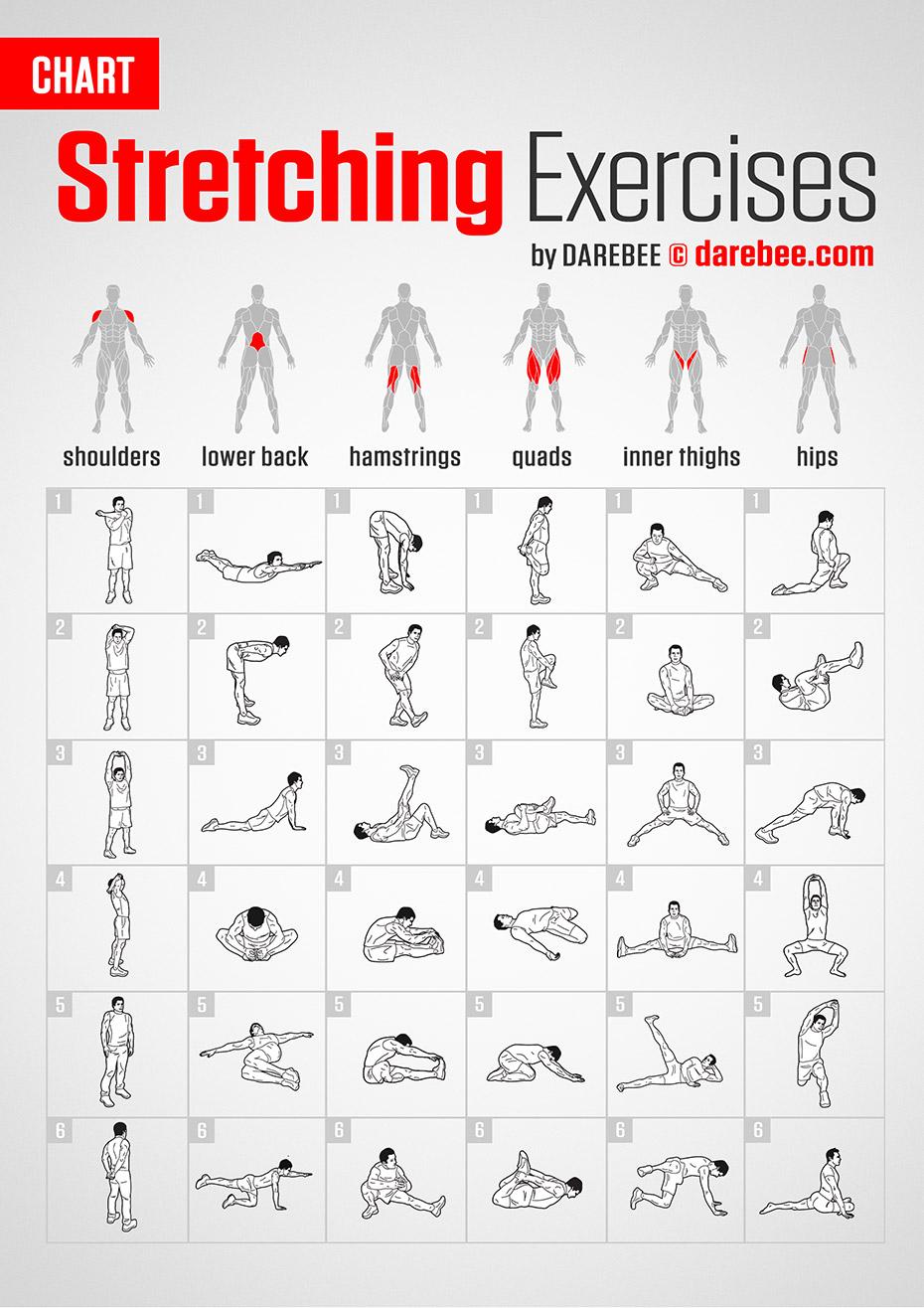
Stretching techniques can vary widely, each with unique benefits tailored to different fitness goals and lifestyles. Static stretching, which involves holding a stretch for a prolonged period, is excellent for enhancing flexibility and promoting muscle relaxation. This technique, often practiced post-workout, allows the muscles to lengthen and recover effectively. Examples of static stretches include the hamstring stretch and quadriceps stretch, which can improve overall mobility and help prevent injury when performed correctly. On the contrary, shorter holds of 15-30 seconds can effectively maintain flexibility without overstressing the muscles.
In contrast, dynamic stretching incorporates controlled movements that prepare the body for the activity ahead. This technique is beneficial in warming up the muscles as it increases heart rate and blood flow, making it ideal before engaging in activities that require strength, speed, or agility. Examples of dynamic stretches include leg swings, arm circles, and walking lunges. Engaging in these movements can enhance your performance and significantly reduce the risk of injury. Understanding these diverse stretching methods allows individuals to customize their flexibility routines and embrace a more holistic approach to wellness.
Cultivating Flexibility: A Guide to Setting and Achieving Personal Goals
Setting personal goals is an essential step towards cultivating flexibility in both your mind and body. The journey to achieving these goals begins with a clear understanding of what you wish to accomplish. Start by identifying your motivations and aspirations, and break them down into manageable, actionable steps. For instance:
- Define your objectives: What specific aspects of your life do you want to enhance through flexibility?
- Set realistic timelines: Establish a timeframe that allows you to adapt and grow without feeling overwhelmed.
- Track your progress: Use a journal or an app to log your daily achievements and reflect on your journey regularly.
Adopting a flexible mindset is equally important in navigating the ups and downs of goal-setting. Embrace changes and unexpected challenges as opportunities for growth. Practicing mindfulness can enhance your adaptability, allowing you to respond positively to life’s various twists. Consider the following techniques to foster resilience:
- Daily stretching routines: Incorporate dynamic stretches that not only improve physical flexibility but also promote mental agility.
- Mindfulness meditation: Engage in meditation to connect with your inner self and reinforce your commitment to personal goals.
- Reflection and adjustment: Regularly revisit and revise your goals as needed to ensure they align with your evolving aspirations.
Future Outlook
As we conclude our exploration of the transformative journey toward wellness through the power of stretching and flexibility, it’s clear that these practices extend far beyond just physical benefits. They invite us into a realm where mindfulness and movement harmoniously intertwine, offering respite from the chaos of everyday life. Embracing wellness is not merely a goal; it’s a continuous journey—a commitment to nurturing both body and spirit.
Incorporating stretching and flexibility into your daily routine can enhance not only your physical capabilities but also your emotional resilience. Whether you’re seeking to relieve tension, improve posture, or foster a more profound connection with yourself, the simple act of stretching paves the way for profound change.
As you step into this practice or deepen your existing routine, remember that the journey is uniquely yours. Allow each stretch to inspire growth, grace, and relaxation, opening the door to a more balanced, vibrant life. The power of stretching lies not just in the act itself, but in the space it creates—space for healing, reflection, and ultimately, a more profound embrace of wellness. So, take a deep breath, reach for the sky, and let the journey of stretching guide you toward a limitless horizon of health and harmony.