


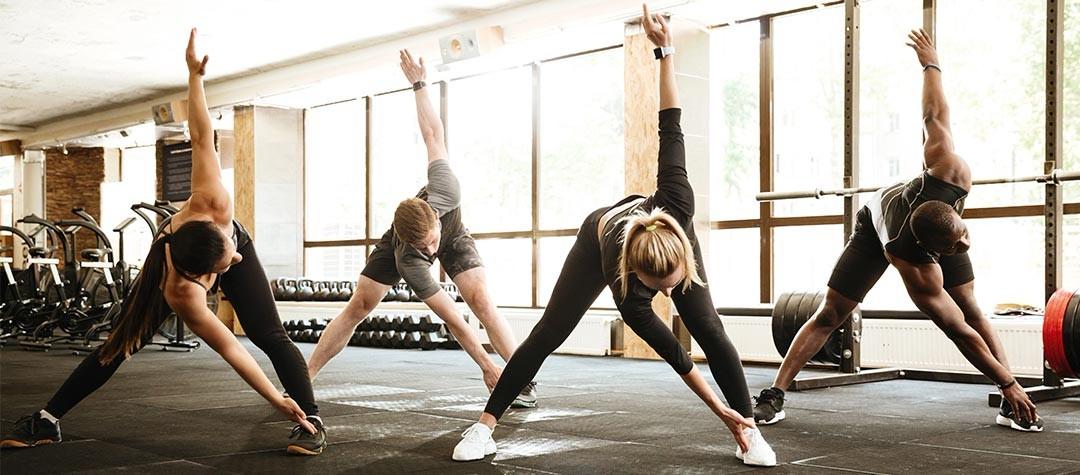
In a world that constantly demands more from us—whether in our personal lives, professional endeavors, or physical pursuits—finding balance can often feel like an elusive goal. Yet, there exists a powerful practice that can transform the way we approach life’s challenges: flexibility training. “” invites you to explore the art and science of enhancing your physical and mental elasticity. This article will guide you through the myriad benefits of flexibility training—not just for athletes or yogis, but for anyone seeking to improve their overall well-being. As we delve into techniques, strategies, and personal stories, you’ll discover how cultivating flexibility can open doors to new opportunities, foster resilience, and empower you to navigate the twists and turns of life with grace. Join us on this exploration and unlock your true potential through the journey of flexibility.
Table of Contents
- Exploring the Benefits of Flexibility Training for Mind and Body
- Essential Techniques to Incorporate into Your Daily Routine
- Creating a Personalized Flexibility Training Plan for Lasting Results
- Staying Motivated on Your Flexibility Journey: Tips and Tools for Success
- In Summary
Exploring the Benefits of Flexibility Training for Mind and Body
Engaging in flexibility training offers a myriad of benefits that extend beyond mere physical advantages. This practice promotes improved muscle elasticity and increases your range of motion, ultimately enhancing overall performance in various physical activities—be it yoga, dance, or sports. Additionally, flexibility training can alleviate tension and stress in the body, contributing to a sense of well-being and relaxation. As tight muscles are released, your body may experience improved posture, reducing the risk of injuries and chronic pain, particularly in the spine and joints.
Moreover, the mental aspect of flexibility training is equally profound. Through the practice of techniques such as stretching, breathing exercises, and mindfulness, individuals can cultivate a deeper sense of awareness and focus. This helps in forming a more profound connection between body and mind. Below is a table showcasing both the physical and mental benefits associated with flexibility training:
| Physical Benefits | Mental Benefits |
|---|---|
| Enhanced range of motion | Increased mindfulness |
| Reduced risk of injury | Improved focus and concentration |
| Relieved muscle tension | Boosted mood and relaxation |
| Better posture | Stress reduction |
Essential Techniques to Incorporate into Your Daily Routine
Incorporating flexibility training into your daily routine doesn’t require hours at the gym; instead, it can be seamlessly woven into your day-to-day activities. Start with dynamic stretching during warm-ups, which not only enhances your range of motion but also prepares your muscles for the day ahead. Consider building mini-stretch breaks into your work schedule. For instance, every hour, take five minutes to stretch your arms, back, and legs. This not only alleviates tension but also rejuvenates your mind, boosting productivity. You might find it helpful to integrate activities that enhance flexibility, such as yoga or pilates, into your weekly plan. Both disciplines focus heavily on stretching and will enhance your overall flexibility while also promoting mindfulness.
Another essential technique is active stretching, which involves engaging your muscles as you stretch. Instead of just holding a position, try to incorporate movements that challenge your flexibility while activating your muscles. You might also opt for static stretching at the end of your workout routine to fully benefit from the increased blood flow and improved mobility. Establish a stretching log using a simple table to keep track of your progress. Aim to mark the frequency and duration of your stretches, along with any personal notes on how your body feels after each session:
| Date | Stretching Duration | Notes |
|---|---|---|
| 10/01 | 15 minutes | Felt tightness in hamstrings |
| 10/02 | 20 minutes | Improved lower back relief |
| 10/03 | 10 minutes | Noticed better shoulder mobility |
Creating a Personalized Flexibility Training Plan for Lasting Results
Designing a flexibility training plan tailored to your personal needs can yield extraordinary results. Start by assessing your current flexibility level; consider incorporating a variety of stretches to target different muscle groups. Here are some key elements to include in your plan:
- Goals: Determine specific flexibility goals, such as improving hamstring flexibility or enhancing shoulder mobility.
- Duration: Allocate time each week for flexibility sessions, aiming for at least 2-3 days of dedicated training.
- Variety: Include a mix of dynamic stretches, static stretches, and proprioceptive neuromuscular facilitation (PNF) techniques to keep your routine engaging.
Furthermore, to ensure lasting changes and avoid injury, it’s essential to track your progress over time. Utilize a simple table to record your flexibility measurements, noting improvements and areas that require more focus. This will help in modifying your routine as needed and promoting continuous development.
| Stretch Type | Initial Flexibility (cm) | Current Flexibility (cm) | Notes |
|---|---|---|---|
| Hamstring Stretch | 20 | 25 | Improvement noted! |
| Shoulder Stretch | 15 | 18 | Focused more on PNF techniques. |
Staying Motivated on Your Flexibility Journey: Tips and Tools for Success
Embarking on a flexibility training journey can be as rewarding as it is challenging. To keep your energy high and your focus sharp, it’s essential to establish a routine that sparks motivation. Here are some practical tips to guide you:
- Set Clear Goals: Define what flexibility means to you, whether it’s achieving a full split or simply touching your toes. Break these goals down into smaller, achievable milestones.
- Track Your Progress: Maintain a journal or use mobile apps to document your flexibility exercises. Seeing your improvement over time can be a huge motivator.
- Build a Support Network: Surround yourself with like-minded individuals or join online communities to share experiences and encourage each other.
In addition to these tips, utilizing the right tools can greatly enhance your journey. Consider the following resources and equipment to aid your practice:
| Tool/Resource | Description |
|---|---|
| Yoga Mat | Provides a comfortable and stable surface for stretching. |
| Resistance Bands | Helps to deepen stretches and improve strength during flexibility training. |
| Online Classes | Access guided sessions from experienced instructors at your convenience. |
In Summary
As we reach the conclusion of our exploration into the transformative journey of flexibility training, it’s vital to remember that unlocking your potential is a personal adventure—one that embraces movement in its myriad forms. Whether you seek to enhance your athletic performance, ease tension, or simply cultivate a deeper connection with your body, the steps you take towards flexibility can lead to profound changes in your physical and mental well-being.
As you embark or continue on this path, know that each stretch, each breath, and each moment of commitment bring you closer to unlocking new dimensions of strength and resilience. Remember, progress is not always linear; it is the culmination of consistent effort and a willingness to embrace the process.
So, take a moment to reflect on your goals and the possibilities ahead. Allow yourself the grace to grow and transform. Embrace the journey, savor the small victories, and celebrate the remarkable potential that lies within you. The world is waiting for you to flex your capabilities—go ahead, and let your journey unfold.