


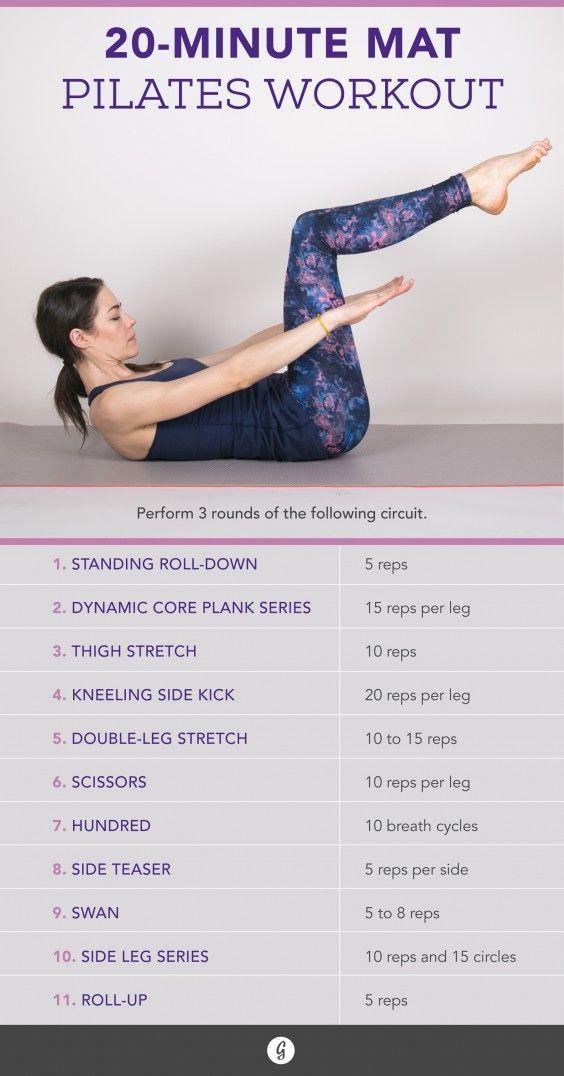
Pilates, a system of controlled movements designed to improve physical strength, flexibility, and posture, has gained significant popularity in recent years. Originating from the principles established by Joseph Pilates in the early 20th century, this exercise regimen has evolved to become a staple in fitness routines worldwide. This article aims to explore the multifaceted benefits of Pilates workouts, which extend beyond traditional physical fitness to encompass mental well-being and rehabilitation. Additionally, we will examine various methods of Pilates practice, from mat-based exercises to reformer classes, providing insights into how individuals can incorporate these techniques into their routines for optimal results. Through a comprehensive understanding of the advantages and approaches to Pilates, readers will be better equipped to evaluate its potential role in their overall health and fitness journey.
Table of Contents
- Understanding the Core Principles of Pilates Workouts
- Physical Benefits of Regular Pilates Practice
- Mind-Body Connection and Mental Health Advantages of Pilates
- Essential Techniques and Modifications for Pilates Success
- To Conclude
Understanding the Core Principles of Pilates Workouts
Pilates is built around a set of core principles that emphasize the importance of alignment, breath, and control. Alignment is crucial, as it promotes optimal posture and ensures that the body moves efficiently and safely. In practice, this principle encourages practitioners to be mindful of their body positioning, which can prevent injuries and enhance the effectiveness of the workout. Breath plays a significant role, as it helps to facilitate movement and connect the mind to the body, allowing for deeper engagement and focus during exercises. Furthermore, control is one of the defining characteristics of Pilates; each movement is executed with precision, ensuring that every action engages the intended muscle groups for maximum benefit.
Another fundamental aspect is concentration, which underscores the mental engagement required in Pilates. Participants are encouraged to maintain awareness of their movements and the sensations within their bodies, fostering a mind-body connection. Additionally, the principle of flow promotes smooth, continuous movements that cultivate grace and efficiency. To illustrate the essence of these principles, consider how they contribute to a well-rounded workout:
| Principle | Description |
|---|---|
| Alignment | Encourages proper posture and movement efficiency. |
| Breath | Facilitates movement and enhances focus. |
| Control | Ensures precision in each movement for effectiveness. |
| Concentration | Promotes awareness of the body and its movements. |
| Flow | Encourages smooth transitions and movement efficiency. |
Physical Benefits of Regular Pilates Practice
Engaging in regular Pilates practice offers a multitude of physical benefits that contribute to overall well-being. Primarily, Pilates focuses on core strength and stability, which serves as the foundation for many movements in daily life. By enhancing the core muscles, individuals often experience improved posture and a reduction in back pain. Additionally, Pilates promotes flexibility and balance, enabling practitioners to perform a wider range of physical activities with greater ease and safety. As a result, an effective Pilates regimen can significantly enhance both athletic performance and everyday functionality.
Another notable benefit of consistent Pilates workouts is increased body awareness and functional fitness. This practice encourages participants to develop a deeper understanding of their bodies, which can translate into better movement patterns and reduced risk of injury. Over time, regular practice leads to toned muscles without the bulk, fostering a lean and strong physique. The incorporation of controlled breathing throughout each exercise also enhances lung capacity and oxygen flow, supporting overall energy levels. Below is a summary of these key physical benefits:
| Benefit | Description |
|---|---|
| Core Strength | Enhances stability and supports spinal alignment. |
| Flexibility | Improves range of motion and reduces muscle stiffness. |
| Posture | Encourages proper alignment, reducing back pain. |
| Body Awareness | Increases understanding of body mechanics and movement. |
| Balanced Musculature | Develops long, toned muscles without bulk. |
Mind-Body Connection and Mental Health Advantages of Pilates
The intricate bond between the mind and body plays a crucial role in achieving optimal mental health, and Pilates serves as an exceptional method to enhance this connection. By focusing on controlled movements and breath patterns, Pilates encourages practitioners to cultivate mindfulness, promoting a state of overall well-being. This heightened awareness not only relieves stress and anxiety but also fosters a positive self-image, allowing individuals to embrace their physical abilities and limitations. As one engages in the rhythmic flow of Pilates, they learn to synchronize mind and body, leading to improved emotional regulation and resilience.
Moreover, Pilates offers a variety of mental health advantages that contribute to a holistic approach to fitness. The low-impact nature of the exercises makes them accessible to individuals of all fitness levels, reducing the intimidation often associated with physical workouts. Key mental health benefits include:
- Enhanced Mood: Regular practice releases endorphins, known as “feel-good” hormones.
- Reduced Anxiety: Mindful breathing techniques promote relaxation and calmness.
- Improved Focus: The concentration required during Pilates encourages mental clarity.
To illustrate these advantages more clearly, here’s a brief overview of how each benefit impacts mental health:
| Benefit | Impact on Mental Health |
|---|---|
| Enhanced Mood | Boosts overall happiness and reduces symptoms of depression. |
| Reduced Anxiety | Lowers stress levels and cultivates a sense of calm. |
| Improved Focus | Increases productivity and sharpens cognitive function. |
Essential Techniques and Modifications for Pilates Success
To maximize the effectiveness of Pilates workouts, incorporating essential techniques and making mindful modifications are key. One of the foundational principles of Pilates is concentration, which involves focusing completely on the movements and your body’s positioning. This promotes better awareness, ensuring that you engage the correct muscles throughout each exercise. Additionally, emphasizing breath control can enhance your practice by fostering relaxation, increasing range of motion, and helping to sustain energy during routines.
Modifications can make Pilates accessible to individuals of all fitness levels and can be tailored to accommodate specific physical needs. For instance, using props such as resistance bands, exercise balls, and reformers can provide support or challenge, depending on the user’s proficiency. Here is a brief overview of common modifications:
| Modification | Purpose |
|---|---|
| Using a Stability Ball | Enhances balance and engages core muscles |
| Resistance Bands | Adds resistance and builds strength |
| Pilates Reformers | Provides adjustable support for various exercises |
| Kneeling Position | Reduces strain on the back for beginners |
To Conclude
Pilates workouts offer a range of benefits that appeal to individuals seeking to enhance their physical fitness, improve flexibility, and promote overall well-being. Through a variety of methods, including mat and reformer exercises, Pilates can be adapted to suit different fitness levels and goals. Whether one is aiming for injury rehabilitation, improved posture, or core strength, the versatility of Pilates makes it a valuable addition to any fitness regimen. As with any exercise program, individuals should consult with a qualified instructor and consider their personal health conditions to optimize their experience. As awareness of Pilates continues to grow, its foundational principles of control, concentration, and flow can contribute to a balanced and mindful approach to fitness.